5 Meaningful Ways Seniors Can Be Social – 2026 Guide | Senior Wellness Hub
🤝 2026 Family & Caregiver Guide

5 Meaningful Ways Seniors Can Be Social – 2026 Guide for Families and Caregivers

Loneliness is one of the greatest health risks for older adults – as harmful as smoking 15 cigarettes a day. Recent 2026 research confirms that loneliness and social isolation are associated with accelerated biological aging, increased risk of cardiometabolic multimorbidity, and higher rates of depression and cognitive decline. But social connection does not have to mean crowded parties or forced small talk. Many seniors thrive when they find meaningful ways to engage – activities that align with their interests, abilities, and values. This guide offers five practical, senior‑friendly social pathways that reduce isolation, boost mood, and even slow cognitive decline.
📘 This guide focuses on general social engagement. If your loved one has dementia or Alzheimer’s and requires specialised residential memory care, please see our dedicated resource at the end.
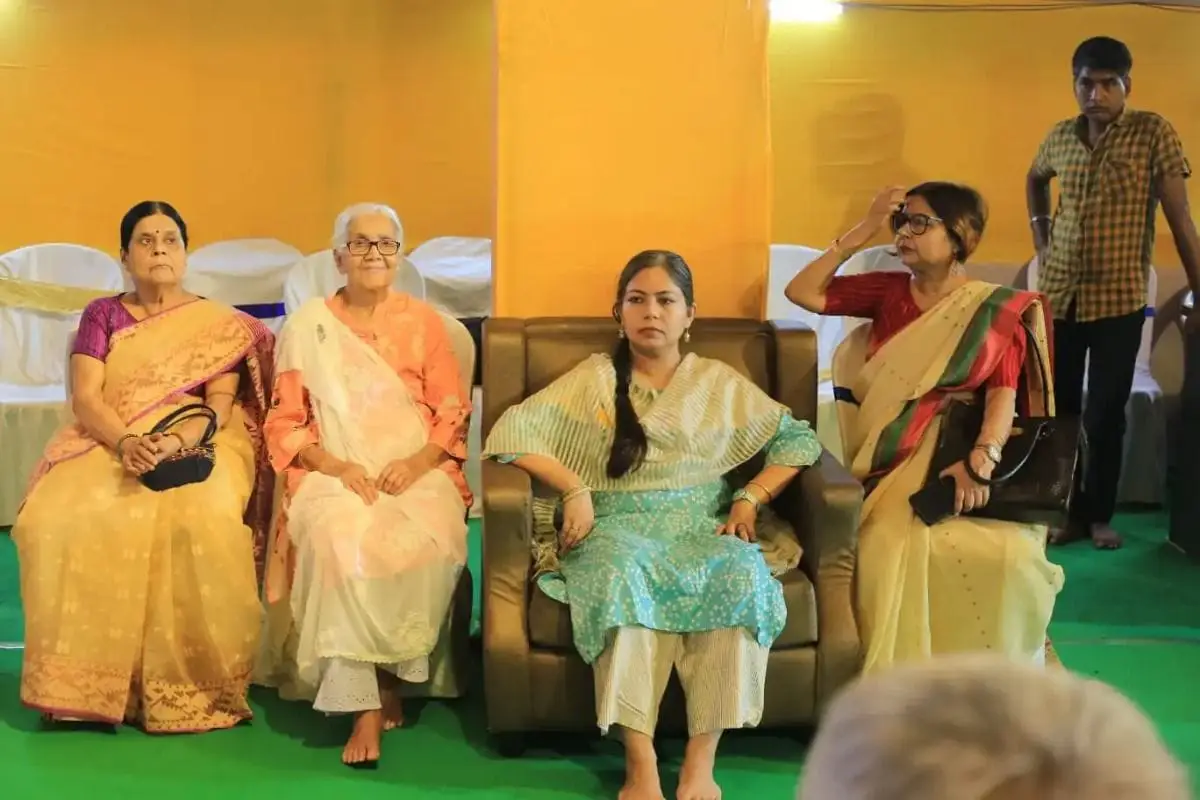
Seniors engaging in social activity together in a warm community setting
📊 2026 research highlight: A large UK Biobank study (N=334,415) found that higher loneliness scores were associated with significantly increased odds of accelerated biological aging. Similarly, persistent loneliness was significantly associated with increased risk of cardiometabolic multimorbidity (aHR 2.03; 95% CI: 1.64–2.51). Early identification and intervention for loneliness are crucial for preventing cardiovascular disease in older adults.

5 Meaningful Ways Seniors Can Be Social

🌱 1. Volunteer in a Way That Uses Their Life Skills Seniors have decades of experience – teaching, carpentry, bookkeeping, cooking, or gardening. Volunteering is not just "busy work"; it is purpose. When a senior uses their unique skills, they feel valued, not just occupied.

Meaningful options: Read to children at a local school (grandparents‑like programmes), mentor young entrepreneurs, repair books or clothes for charity, or cook or garden for a food bank. Using familiar skills boosts self‑efficacy and connects them to younger generations, reducing the feeling of being "useless." The Vidyanjali initiative connects retired teachers and professionals with schools across India to share their knowledge and skills.
🎨 2. Join a Shared Hobby Group – Not Just a Club Generic "senior socials" often feel awkward. But shared activity groups build natural friendships. The focus is on the task, not forced conversation.

Senior‑friendly hobby groups: Walking or gardening clubs, book clubs (large‑print books welcome), card/board game groups (bridge, rummy, chess), art/craft circles (knitting, painting), music or singing groups.

💡 2026 insight: Seniors who attend a weekly hobby group report 50% lower loneliness scores than those who attend "social hours" without a shared activity. In Kolkata, many senior citizen associations and clubs in South Kolkata, Salt Lake, and New Town offer such groups.
👧 3. Engage in Intergenerational Programmes Interaction with children and young adults benefits both generations. Seniors feel energised, and young people learn empathy and history.

Low‑pressure ways: Read‑aloud sessions at local schools, pen‑pal or email exchange with students, teach a skill (knitting, woodworking, cooking) to teenagers, or attend intergenerational day care.

In Kolkata: HelpAge India's "Generations Together" campaign pairs school students with residents of old age homes. Mahadevi Birla World Academy has initiatives where students read to elders, teach them tech skills, or simply engage in conversation. Many NGOs (Rotary, Lions) also run intergenerational events.
🐾 4. Adopt or Spend Time with a Pet Pets are not only companions – they are social bridges. Walking a dog leads to neighbour conversations. Caring for a pet provides a daily routine and a reason to get out of bed.

Options for seniors: Adopt a low‑maintenance pet (cat, bird, fish, or senior dog), foster a pet temporarily, volunteer at an animal shelter, or participate in pet‑visit programmes.

📚 2026 research: Pet ownership reduces loneliness and lowers blood pressure. In Kolkata, animal‑assisted therapy is available at Rehabana Rehabilitation Centre (doctor‑led, C‑AAIS‑certified therapists). Even a small caged bird or a fish tank improves mood in nursing home residents.
📱 5. Use Technology for Meaningful Connection – Not Just Calls A quick phone call is good, but meaningful social interaction requires depth. Video calls, shared online groups, and digital story‑sharing create richer connections.

Tech ideas for seniors: Virtual book club with family (WhatsApp video or Zoom), shared photo albums on Google Photos or FamilyApp, online gaming with grandchildren, Facebook or WhatsApp groups for hobbies.

For seniors with dementia: Short, consistent video calls (same time, same family member) work better than long, irregular chats. Use a large‑font tablet with simple controls. Platforms like Happy60plus (11,000+ members nationwide) offer daily online wellness sessions, quizzes, bhajans, and social events. "Silver Surfers" and "Super Seenagers" (for women aged 50-84) also offer vibrant communities.

📍 Kolkata Social Resources for Seniors (2026)

🎭 Cultural Programs in Old Age Homes Shibasram Trust offers cultural activities: Rabindra Sangeet, Nazrul Geeti, Puja rituals, Patachitra art workshops, drama circles, and culinary heritage sessions. These activities reduce depression by 30% and build cognitive reserve.
🐕 Animal‑Assisted Therapy Rehabana Animal Assisted Therapy Centre (doctor‑led, C‑AAIS‑certified) provides structured therapy sessions with trained animals to reduce anxiety, fear, and loneliness. Supports stroke, neuro, and pediatric rehabilitation.
🧵 Intergenerational & DIY Groups "Happy Classroom" by Caring Hands Foundation brings students and seniors together for arts, crafts, and literacy. "Monoshij" mental health platform offers tech lessons and social engagement through skits and group activities.
💬 National Helplines Elder Line (National Helpline for Senior Citizens): 14567 (toll‑free) for grievance redressal and referrals. Pension/Financial Helpline: 1800 3452 000 for senior‑specific financial schemes.

🕊️ When Social Engagement Is Not Enough – Recognising the Need for Professional Care

If your loved one continues to withdraw despite your efforts, or if they show signs of dementia (wandering, confusion, aggression), social activities alone will not keep them safe. A specialised memory care facility provides:

  • Structured daily activities designed for cognitive levels.
  • 24/7 supervision to prevent wandering.
  • Trained staff who facilitate social engagement without forcing it.
  • A safe, secure environment where families no longer worry about falls or leaving the gas stove on.

If your loved one has dementia or Alzheimer’s and needs a safe, supportive environment where meaningful socialisation is part of care, explore our Kolkata memory care home:
👉 Old age home in Kolkata for dementia care →

❓ Frequently Asked Questions (FAQ)

1. What if my parent is introverted and hates groups?
Respect their preference. One‑on‑one interactions (a regular visitor, a phone call with a grandchild, a pet) are still social and can be deeply meaningful.
2. How can I find senior hobby groups in Kolkata?
Ask at local senior citizen associations, temple committees, libraries, or call the West Bengal Senior Citizens Helpline (14567). Many groups meet at South Kolkata clubs, Salt Lake, and New Town.
3. Can a senior with mild dementia join a hobby group?
Yes – if the activity is simple and the group is patient. Sensory activities (music, gardening, folding laundry) work well. Avoid competitive or high‑memory games.
4. What is the single best social activity for a senior living alone?
A daily scheduled phone or video call with one person. Predictability reduces anxiety, and the relationship deepens over time.
5. Is online socialising as good as in‑person for seniors?
It is a supplement, not a replacement. For homebound seniors, video calls reduce loneliness significantly. For those who can go out, in‑person is still superior.
6. How do I encourage my parent to try a new social activity?
Start with a “visit” – not a commitment. “Let’s just go look at the garden club without joining.” Often, they stay once they see friendly faces.
7. Can pets be dangerous for frail seniors?
A large, energetic dog can cause falls. A small cat, bird, fish, or even a robotic pet (for severe dementia) is safer. Always supervise pet visits initially.
🌿 Final Advice – Meaningful Connection, Not More People
Socialisation is not about the number of friends – it is about the quality of interaction. A senior who talks to one neighbour weekly or video calls a grandchild daily is healthier than one who attends a crowded party but feels unseen. Start small, be consistent, and adapt to their personality. When memory loss makes independent living unsafe, a specialised memory care facility offers built‑in, meaningful social engagement within a secure environment.

For families in Kolkata who need specialised dementia care, explore our memory care home:
👉 Old age home in Kolkata for dementia care →
Jayitri Das

Jayitri Das

Senior Care Specialist

M.A.(Hons) in Geography at University of Calcutta. Specialist in writing social work modules, conducting professional seminars, and interviewing documentation in BSW and MSW fields. Dedicated to enhancing the lives of seniors through compassionate care models.