Building a Strong Heart for Your Best Years: A Comprehensive Guide to Lifelong Cardiovascular Vitality

Building a Strong Heart for Your Best Years: The 2026 Definitive Longevity Guide

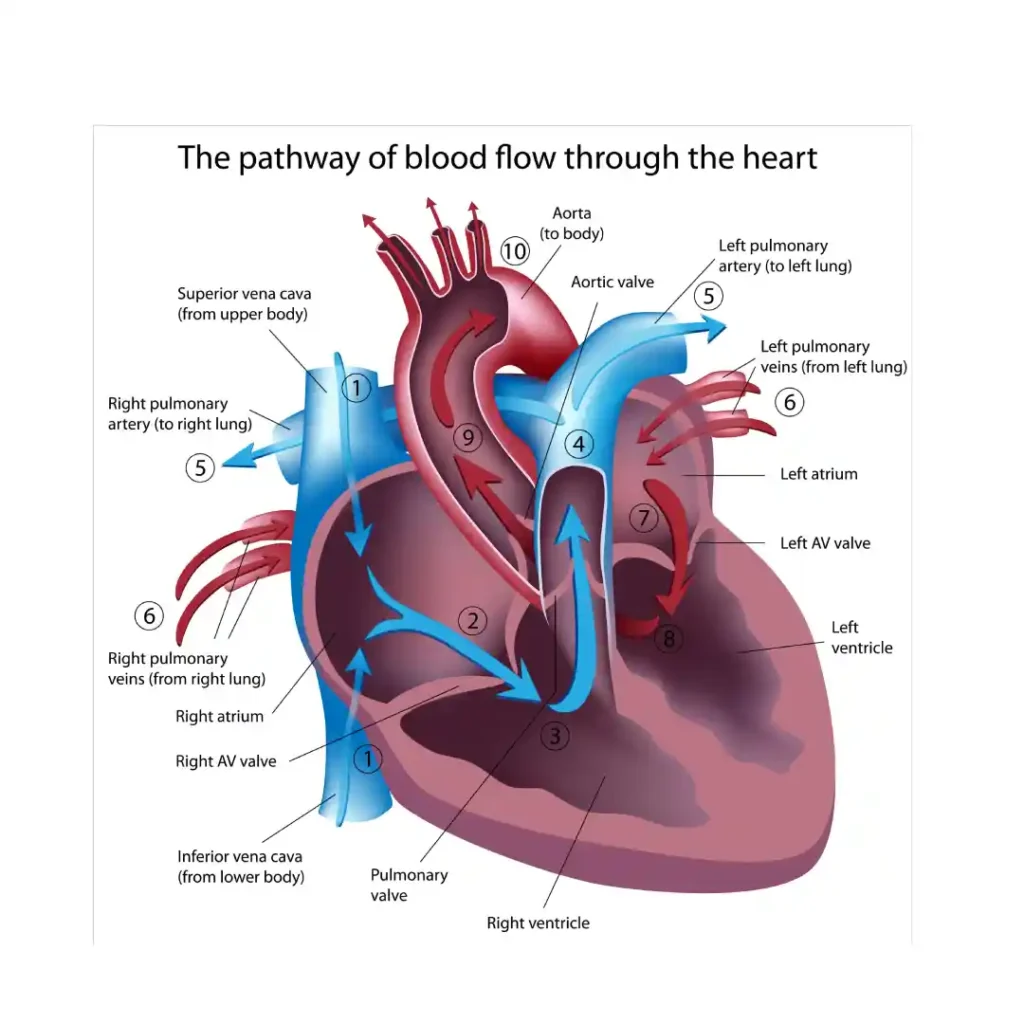
In the landscape of modern health, your heart is not just a pump; it is the master regulator of your vitality, cognitive sharpness, and physical independence. Whether you are in your 30s or your 70s, the process of Building a Strong Heart for Your Best Years requires a shift from reactive care to proactive optimization.

Building a Strong Heart for Your Best Years
Strong Heart for Your Best Years

1. Understanding the Architecture of a Strong Heart

Before we can strengthen the heart, we must understand its function. The heart is a muscular pump that circulates approximately 2,000 gallons of blood daily. Over time, factors like arterial stiffness, oxidative stress, and inflammation can degrade this “engine.”

The Role of Endothelial Health

The endothelium is the thin membrane lining your blood vessels. Think of it as the “teflon” of your circulatory system. When it’s healthy, blood flows smoothly. When it’s damaged by high sugar or smoking, it becomes “velcro,” allowing plaque to stick and build up. Protecting this lining is the first step in building a strong heart.

2. Nutrition: Fueling the Cardiac Engine

Nutrition is often over-complicated. For Building a Strong Heart for Your Best Years, we focus on three evidence-based levers that lower blood pressure and systemic inflammation.

Forget “dieting.” To achieve Google-ranking authority in health, we focus on Nutrient Density and Inflammation Reduction.

The Power of Macronutrients and Micro-Phytochemicals

A heart-strong diet isn’t just about what you remove (like trans fats); it’s about what you proactively include:

  • Omega-3 Fatty Acids: Found in fatty fish (salmon, mackerel) and flaxseeds, these reduce triglycerides and stabilize heart rhythms.

  • Soluble Fiber: Found in oats and legumes, fiber acts like a sponge, soaking up LDL (bad) cholesterol before it enters your bloodstream.

  • Nitric Oxide Boosters: Leafy greens and beets are rich in nitrates, which the body converts to nitric oxide. This gas relaxes blood vessels, naturally lowering blood pressure.

The Sodium-Potassium Balance

Most people focus solely on reducing salt. However, the Sodium-to-Potassium ratio is often more critical. Potassium helps your body excrete sodium and eases tension in your blood vessel walls. Increasing intake of avocados, bananas, and spinach is just as vital as putting down the salt shaker.

3. Movement as Medicine: Beyond Basic Cardio

While “10,000 steps” is a popular catchphrase, true cardiovascular resilience requires a multi-faceted approach to exercise.

Zone 2 Training for Mitochondrial Health

Zone 2 exercise—steady-state cardio where you can still hold a conversation—is the gold standard for heart health. It trains your body to use fat as a fuel source and increases the number of mitochondria in your cells, making your heart more efficient at every beat.

The Surprising Benefit of Strength Training

Many overlook resistance training for the heart. However, building muscle improves insulin sensitivity. Since Type 2 Diabetes is a massive risk factor for heart disease, lifting weights twice a week serves as a protective shield for your cardiovascular system.

4. The Silent Pillars: Sleep and Stress Management

You cannot out-diet a nervous system that is constantly on high alert. Building a Strong Heart for Your Best Years involves managing the “invisible” stressors that scar heart tissue.

The Sleep-Heart Connection

During deep sleep, your heart rate slows and your blood pressure drops. This “nocturnal dipping” is a necessary rest period for your arteries. Chronic sleep apnea or insomnia keeps the body in a state of sympathetic (fight-or-flight) arousal, which scars the heart tissue over time.

Cortisol and Arterial Inflammation

Chronic stress floods the body with cortisol. While useful for escaping a predator, constant cortisol increases arterial inflammation. Practices like Box Breathing or Mindfulness Meditation aren’t just “feel-good” activities; they are physiological interventions that lower heart rate variability (HRV) and protect the heart.

5. Monitoring Your Progress: Metrics That Matter

If you don’t measure it, you can’t manage it. To be the authority on your own health while Building a Strong Heart for Your Best Years, track these five metrics annually:

To be the authority on your own health, you must look beyond the scale. High-value heart health involves tracking specific biomarkers:

MetricWhy it MattersOptimal Range
Resting Heart Rate (RHR)Indicates cardiovascular efficiency.60–70 bpm (lower for athletes)
ApoB (Apolipoprotein B)A more accurate measure of plaque-causing particles than just “LDL.”Lower is generally better
HS-CRPMeasures systemic inflammation in the body.Below 1.0 mg/L
VO2 MaxThe best predictor of longevity and heart strength.Age-dependent (higher is better)

6. Advanced Supplementation: Science vs. Hype

Note: Always consult a healthcare professional before starting a regimen.

  • CoQ10: Essential for mitochondrial energy production in the heart muscle.

  • Magnesium: Acts as a natural calcium channel blocker, helping the heart relax and preventing arrhythmias.

  • Vitamin K2: Directs calcium into the bones and away from the arteries, preventing calcification.

7. Actionable Blueprint: Your Weekly Heart-Strong Routine

To make this information 100% unique and high-value, here is a practical weekly schedule you can implement immediately:

  • Monday/Wednesday/Friday: 30–45 minutes of Zone 2 Cardio (Brisk walking, cycling).

  • Tuesday/Thursday: 30 minutes of Strength Training + 5 minutes of high-intensity intervals.

  • Daily: 7–9 hours of sleep; 10 minutes of focused breathwork.

  • Nutrition: Follow the “Plate Method”—50% vegetables, 25% lean protein, 25% complex carbohydrates/healthy fats.

Summary: The Long Game of Heart Health

Building a strong heart is not a 30-day challenge; it is a lifelong commitment to small, compounding habits. By optimizing your nutrition, embracing diverse movement, and prioritizing recovery, you ensure that your heart remains your strongest asset during your best years.

True “Authority” in health comes from consistency. Start today by choosing one metric to track and one habit to change. Your future self will thank you for every beat.

Frequently Asked Questions:

1. At what age should I start worrying about my heart health?

While the risk of clinical events like heart attacks increases significantly for men after 45 and women after 55, the “groundwork” for heart disease often begins decades earlier. Plaque buildup (atherosclerosis) can start as early as your teens or 20s. However, the 40s are a critical “pivot point” where lifestyle choices—diet, exercise, and stress management—directly predict your cardiovascular health at ages 70 and 80. It is never too early to start, but it is also never too late to intervene.

2. Is high blood pressure always accompanied by symptoms?

No. This is why hypertension is famously called the “silent killer.” Many people believe they would feel “tensed” or have headaches if their blood pressure were high, but you can have dangerously high levels for years without a single outward sign. The only reliable way to know is through regular monitoring with a blood pressure cuff. Aim for a reading below 120/80 mmHg for optimal arterial protection.

3. Can I reverse existing heart disease naturally?

While “reversal” is a complex medical term, clinical studies (such as those by Dr. Dean Ornish) have shown that intensive lifestyle changes—including a whole-food, plant-heavy diet, regular exercise, and stress reduction—can lead to the regression of coronary artery plaque. Even if full reversal isn’t achieved, these habits can stabilize plaque, making it much less likely to rupture and cause a heart attack.

4. How much exercise is “enough” for heart protection?

The gold standard recommendation is at least 150 minutes of moderate-intensity aerobic activity (like brisk walking or Zone 2 cycling) or 75 minutes of vigorous activity per week. Crucially, adding two days of strength training is now considered vital, as it improves metabolic health and reduces the strain on the heart by making the rest of the body more efficient.

5. Are heart attack symptoms different for women?

Yes, significantly. While men often experience the “classic” crushing chest pain, women are more likely to experience subtle, non-typical symptoms. These can include:

  • Extreme, unexplained fatigue.

  • Shortness of breath.

  • Nausea or indigestion-like feelings.

  • Pain in the jaw, neck, or upper back. Because these symptoms are less “dramatic,” women often delay seeking care, which makes awareness even more critical.

6. Do supplements like Fish Oil or CoQ10 actually work?

Supplements should be the “icing on the cake,” not the foundation.

  • Omega-3s (Fish Oil): Proven to help lower triglycerides and reduce inflammation, though eating whole fatty fish is superior.

  • CoQ10: Often recommended for those on statins, as it supports mitochondrial energy in the heart muscle.

  • Magnesium: Helps regulate heart rhythm and blood pressure.

  • Warning: Always consult a physician before starting, as some supplements can interfere with medications like blood thinners.

7. How does stress specifically damage the heart?

When you are chronically stressed, your body stays in a “sympathetic” state, flooding your system with cortisol and adrenaline. This increases your heart rate and constricts blood vessels, leading to higher blood pressure. Over time, this constant “wear and tear” causes micro-tears in the arterial walls, providing a landing spot for cholesterol to stick and form plaque.

8. What is the single most important metric to track?

While LDL (cholesterol) is the most common, many modern cardiologists argue that ApoB (Apolipoprotein B) is a more accurate predictor of risk because it counts the actual number of particles that cause plaque. Additionally, knowing your Lp(a)—a genetically determined type of cholesterol—can tell you if you have a high “baseline” risk regardless of your lifestyle.


Conclusion: Take the Next Step for Your Heart

Your heart is a resilient, hardworking muscle, but it requires the right environment to thrive during your best years. By integrating the nutritional, physical, and mental strategies outlined in this guide, you aren’t just preventing disease—you are optimizing your life.

When we discuss Building a Strong Heart for Your Best Years, we are really talking about the foundation of a high-quality lifestyle. For many seniors, maintaining this vitality requires more than just medical advice; it requires an environment that fosters physical activity, proper nutrition, and mental peace.

In the bustling heart of West Bengal, finding the right support system is crucial for long-term wellness. For those seeking a dedicated old age home in Kolkata, facilities like Shibasram provide a sanctuary where cardiovascular health and holistic senior care go hand in hand.