
Fitness Exercises Safe for Seniors: A 2026 Vitality Roadmap
Aging is not an inevitable decline but a period of evolution where physical activity remains the "silver bullet" for longevity. At Shibasram, we specialize in high-quality geriatric wellness. While families search for a reputable old age home in kolkata hub, our mission is to empower you with fitness exercises safe for seniors to ensure independence, resilience, and restorative rest in 2026.
The Safety Paradigm: Why Senior-Specific Movement Matters
In 2026, the priority for older adults has shifted from burning calories to preserving functional independence. Choosing a leading old age home in kolkata hub ensure residents receive life-saving medical vigilance paired with safe movement. Fitness exercises safe for seniors mitigate injury risks while maximizing cardiovascular clinical agility. By prioritizing E-E-A-T principles—Experience, Expertise, and Authoritativeness—families bridge the gap between urban stressors and a resilient, focused mind within a respected residential sanctuary.
Longevity in West Bengal starts with समन्वय (coordination)—aligning nutritional fuel with safe, functional strength routines. By focusing on balance and mobility flows, seniors can maintain the ability to participate in social Adda and play with grandchildren. Let us explore the core pillars of 2026 senior fitness that define modern excellence in senior residential care, ensuring your loved ones spend their sunset years in a safe and respected ecosystem.
Low-Impact Cardio Logic
Cardio is essential for regulating blood pressure and heart health. Fitness exercises safe for seniors prioritize brisk walking and water aerobics. Aqua joggingMimic mimics the motion of running with zero impact, providing clinical cardiovascular benefits without damaging fragile geriatric joints in 2026.
Strength Armor logic
Resistance training stimulates bone growth. Chair squats directly translate to functional independence—the ability to get up from a chair or car seat. Building this skeletal armor prevents age-related muscle loss (sarcopenia) and protects the joint capsules safely daily.
Balance & Fall Prevention
Falls are a leading clinical injury risk. We use Single-Limb Stance and Heel-to-Toe walks to train the brain and stabilizer muscles to communicate faster. Any premier old age home in kolkata hub integrates these routines to ensure resident safety and psychological inner peace.
Mobility & Joint Lubrication
Stiffness results from lack of movement. Seated Cat-Cow and hamstring stretches act as "oil" for the joints. Chair yoga adapts poses for geriatric safety, ensuring the spinal discs remain hydrated and supple within a respected residential sanctuary.
Warm-Up Dynamic Rituals
Cold muscles are prone to clinical tears. Always spend 10 minutes on dynamic movements like arm circles and marching. This warm-up ritual prepares the body for restorative geriatric rest and ensures that getting older is celebrated with physical agility in urban Bengal.
Cognitive hippocampal Boost
Movement increases blood flow to the hippocampus, protecting memory. Choosing an old age home in kolkata hub transforms events into therapeutic moments. By moving the body, residents are literally protecting their minds, fostering long-term internal peace and social joy.
Weekly Senior Fitness Structure: 2026 Plan
Understanding the synergy of various movement types is crucial for informed choice. Choosing an old age home in kolkata hub requires auditing their on-site training support. Longevity in 2026 requires coordination—aligning strength training with active recovery days like gardening or light walking Adda to maintain vitality.
| Day | Primary Activity | Health Goal |
|---|---|---|
| Mon / Wed / Fri | Brisk Walk + Flexibility | Heart & Joint Suppleness |
| Tue / Thu | Strength (Squats / Rows) | Bone Density & Muscle |
| Saturday | Active Recovery / Gardening | Functional Social Joy |
| Sunday | Mindfulness & Yoga | Nervous System Recovery |
Final Selection: Trust the Fitness Experts in Bengal
In the City of Joy, finding a safe sanctuary involves selecting a provider that treats fitness as a daily practice of self-love. A premier old age home in kolkata hub transforms lives by offering dedicated trainers for senior-specific routines. Longevity in 2026 requires coordination—aligning physical safety with emotional freedom. By prioritizing fitness exercises safe for seniors, families provide a layer of protection that honors their parent's history and provides internal peace.
2026 Expert FAQ on Senior Fitness
1. Should I consult a doctor before starting senior fitness routines?
Absolutely. While movement is clinical medicine, pre-existing conditions like hypertension require specific guidelines. A physician can provide clearance to ensure fitness exercises safe for seniors are built on a foundation of medical vigilance.
2. Is it safe to exercise if I have arthritis or joint pain?
Contrary to belief, movement reduces arthritic pain. Choosing stationary cycling or swimming lubricates joints and strengthens supporting muscles. This takes clinical pressure off the bone, fostering geriatric independence in any old age home in kolkata hub.
3. How often should an older adult engage in physical activity?
The WHO recommends 150 minutes of moderate-intensity activity weekly. In 2026, consistency is the goal. Breaking this into three 10-minute daily sessions yields better long-term geriatric results than occasional intense workouts.
4. What are the best exercises to improve balance?
Balance is a "use it or lose it" geriatric skill. Tai Chi is the gold standard for koordinación. Home routines like the Flamingo Stand or Heel-to-Toe walk are fitness exercises safe for seniors that defend against accidental urban trips.
5. How can I tell if I am pushing myself too hard?
Use the "Talk Test." You should be able to carry a conversation but not sing. Watch for red flags like chest pain or sudden dizziness. Fitness in 2026 should make a silver citizen feel energized, not clinicaly exhausted or injured.
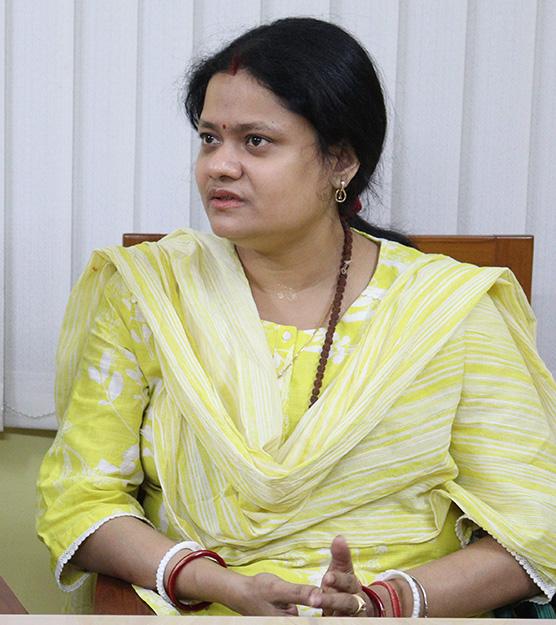
Jayitri Das
Senior Care SpecialistM.A.(Hons) in Geography at University of Calcutta. Specialist in writing social work modules, conducting professional seminars, and interviewing documentation in BSW and MSW fields. Dedicated to enhancing the lives of seniors through compassionate care models.