Senior Citizens Physiotherapy Care – 2026 Complete Guide for Families in Kolkata
For many aging adults, simple movements like rising from a chair, walking to the bathroom, or climbing a few stairs become daily struggles. Joint pain, muscle weakness, balance problems, and fear of falling often lead to a sedentary lifestyle, which accelerates physical decline, social isolation, and even cognitive impairment.
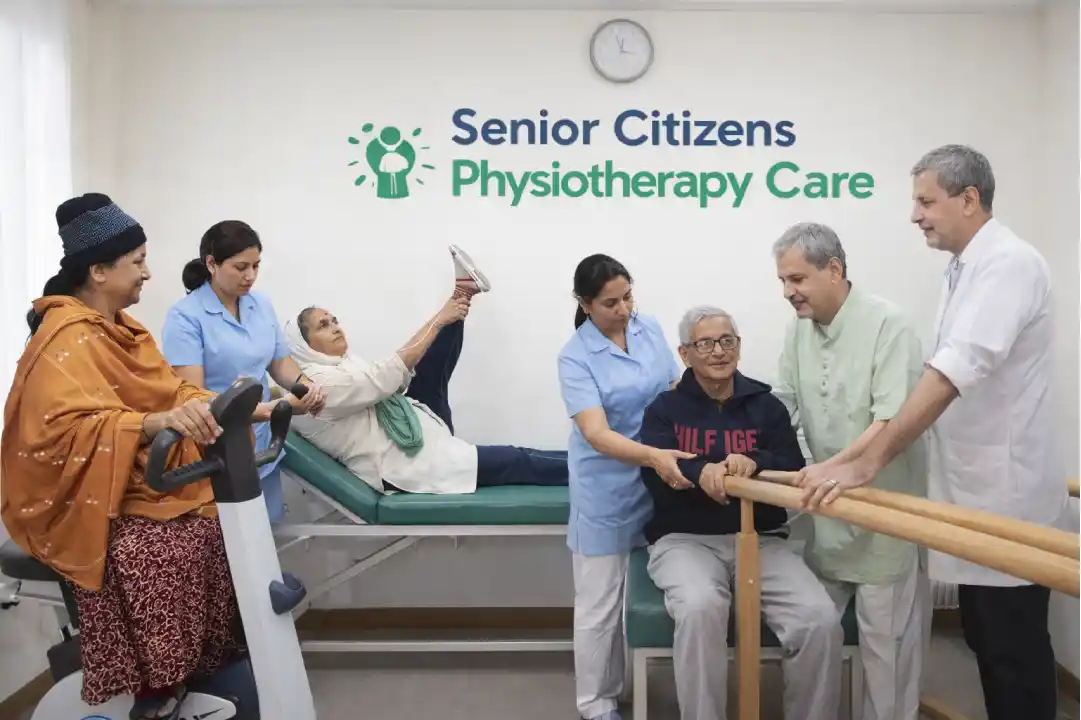
Physiotherapy for seniors is not about vigorous workouts. It is a gentle, scientifically‑proven approach to restore movement, reduce pain, prevent falls, and help older adults maintain independence for as long as possible. This guide explains everything you need to know about senior citizens physiotherapy care – its benefits, the types of exercises, how to find services in Kolkata, the costs in 2026, and when a residential care setting becomes the safer option.
1. Why Physiotherapy Is Essential for Seniors
- ✅ Prevents falls – Falls are the leading cause of injury and hospitalisation among adults over 65. Physiotherapy improves balance, gait stability, and leg strength.
- ✅ Reduces chronic pain – Arthritis, back pain, and joint stiffness respond well to targeted exercises, often reducing painkiller use.
- ✅ Maintains mobility and independence – Safe movement means seniors can continue living independently for years longer.
- ✅ Speeds recovery after surgery – Hip fractures, knee replacements, and cardiac surgeries have far better outcomes with post‑operative physiotherapy.
- ✅ Improves mood and cognitive health – Movement increases blood flow to the brain, improving executive function and psychological well‑being.
- ✅ Reduces frailty – Pre‑frailty and frailty are reversible with consistent exercise.
2. Types of Physiotherapy for Senior Citizens
3. Key Physiotherapy Exercises for Seniors (Safe & Simple)
| Exercise | How to Do It | Benefits |
|---|---|---|
| Sit‑to‑Stand | From a sturdy chair, stand up without using hands, slowly sit back down. 5‑10 times. | Builds leg strength for getting out of bed, chairs, and toilets. |
| Heel‑Toe Walk | Walk in a straight line, placing heel of one foot directly in front of toes of the other. | Improves balance and coordination. |
| Single‑Leg Stand | Hold chair back, lift one foot slightly off floor, hold 10‑30 seconds. Switch sides. | Strengthens stabilising muscles and prevents falls. |
| Ankle Pumps | Seated, point toes forward then pull back toward shin. 10 times each foot. | Improves circulation, prevents blood clots, especially post‑surgery. |
| Seated Leg Lifts | Sit tall, straighten one leg, hold 5 sec, lower. 10 times each leg. | Strengthens thighs and improves knee stability. |
| Shoulder Rolls | Sit or stand, roll shoulders slowly forward 5 times, then backward 5 times. | Reduces stiffness and improves posture. |
4. Senior Physiotherapy Services in Kolkata – What to Expect
- Major hospitals – Apollo, Peerless, Medica, Fortis (inpatient/outpatient rehab).
- Home physiotherapy services – DivinusCare, Portea, Care24 operate across South Kolkata, Salt Lake, New Town.
- Specialised geriatric rehab centres – KITES Kolkata, 60 Plus Care offer programmes integrated with day care or assisted living.
A good service should offer: initial functional assessment, personalised care plan, progress tracking, and coordination with the senior’s doctor.
5. Cost of Senior Physiotherapy in Kolkata (2026)
| Service Type | Approx. Cost per Session (₹) | Monthly Estimate (≈8 sessions) |
|---|---|---|
| Clinic‑based physiotherapy | 400 – 800 | 3,200 – 6,400 |
| Home visit physiotherapy | 500 – 1,200 | 4,000 – 9,600 |
| Specialised geriatric physiotherapist | 800 – 1,500 | 6,400 – 12,000 |
| Post‑operative rehabilitation package | ₹15,000 – ₹35,000 (full package) | – |
| Aquatic physiotherapy (pool) | 600 – 1,200 | 4,800 – 9,600 |
Many providers offer package discounts (10‑20%). Some health insurance policies cover physiotherapy if prescribed by a doctor – check your policy.
6. When Is Physiotherapy Delivered in a Residential Care Setting?
- ❌ Senior lives alone or home has stairs, narrow doorways, no space for equipment.
- ❌ Senior has dementia or cognitive impairment and cannot remember or cooperate with home exercises.
- ❌ Repeated falls or hospitalisations despite regular physiotherapy.
- ❌ Need for 24/7 nursing care alongside physiotherapy (post‑stroke, bedridden, advanced frailty).
- ❌ Family caregivers exhausted and cannot supervise exercises or transport.
In such cases, an assisted living facility or skilled nursing home offers daily physiotherapy integrated into care, 24/7 nursing supervision, a fall‑proof environment, and structured group exercise programmes.
7. When Dementia and Mobility Issues Require Specialised Memory Care
If your loved one has dementia combined with mobility issues, standard home‑based physiotherapy may not be safe. Specialised memory care facilities offer integrated physical rehabilitation within a secure environment.
If your loved one has dementia or Alzheimer’s and needs a safe environment with daily physiotherapy and 24/7 medical support, explore our dedicated memory care home in Kolkata:
👉 Old age home in Kolkata for dementia care →
❓ Frequently Asked Questions (FAQ)
Physiotherapy is not a luxury for the elderly – it is a medical necessity that prevents falls, reduces hospitalisations, and preserves independence. Whether delivered at home or in a specialised residential setting, regular physiotherapy adds years of quality life. If you are a family caregiver, do not wait for a fall or a fracture. Start with a professional assessment today.
For seniors whose cognitive decline and physical frailty make home care unsafe, a specialised memory care facility with integrated physiotherapy services is the compassionate, responsible choice.
👉 Old age home in Kolkata for dementia care →