Comprehensive Guide to Specialized Palliative Care Services for Seniors in West Bengal

Understanding Palliative Care for Seniors in West Bengal

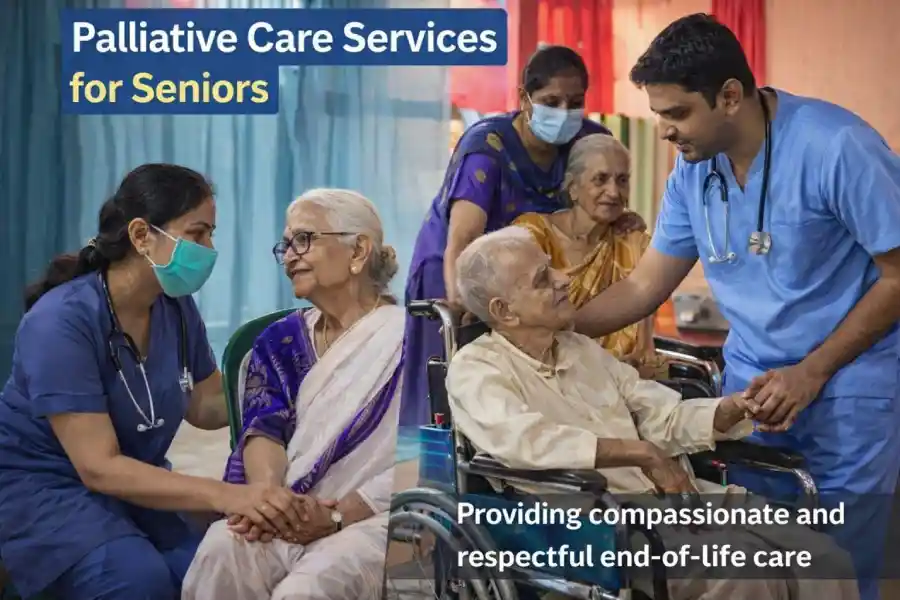
Palliative care services for seniors represent a crucial healthcare component in West Bengal, addressing the unique needs of elderly individuals facing serious illnesses. Unlike standard medical treatment focused solely on curing diseases, specialized palliative care services for seniors adopt a holistic approach that manages pain, controls symptoms, and provides psychological, social, and spiritual support. With West Bengal’s aging population growing steadily, the demand for quality palliative care services for seniors has never been more pressing.

As a geriatric care specialist with fifteen years of experience serving West Bengal’s elderly population, I’ve witnessed firsthand the transformative impact of proper palliative care. The World Health Organization defines palliative care as an approach that improves quality of life for patients and their families facing problems associated with life-threatening illness. In the Bengali cultural context, where family values run deep, palliative care services for seniors must respect traditional values while incorporating evidence-based medical practices.

Kolkata’s old age homes increasingly recognize that their residents require specialized care as they age and face chronic health conditions. These facilities serve as important access points for seniors needing consistent palliative support outside traditional hospital settings. By optimizing for “old age home in Kolkata” palliative care providers can reach families seeking comprehensive care solutions that combine residential support with specialized medical attention. This connection reflects the integrated approach needed for holistic elder care in urban West Bengal, where standalone medical services often fail to address the full spectrum of seniors’ needs including housing, daily support, and medical care.

Palliative care services for seniors

The Current Landscape of Palliative Care in West Bengal

West Bengal faces both challenges and opportunities in providing palliative care services for seniors. Urban centers like Kolkata have seen gradual development of specialized services, while rural areas continue to experience significant gaps in accessibility. Government initiatives, non-profit organizations, and private healthcare providers are increasingly recognizing the need to expand these essential services.

The Indian Association of Palliative Care reports that only 1-2% of Indians who need palliative care actually receive it, highlighting the enormous unmet need. In West Bengal specifically, cultural perceptions about end-of-life care, limited trained professionals, and insufficient integration into mainstream healthcare systems present ongoing challenges. However, recent years have shown promising developments with increased awareness and institutional support.

Key Components of Specialized Palliative Care for Seniors

1. Comprehensive Pain and Symptom Management

Effective palliative care services for seniors prioritize meticulous assessment and treatment of physical symptoms. This includes not only pain management but also addressing breathlessness, nausea, fatigue, and other distressing symptoms common among elderly patients with chronic conditions. Specialized geriatric palliative care accounts for age-related physiological changes that affect medication metabolism and treatment responses.

2. Psychological and Emotional Support

The emotional burden of serious illness affects both seniors and their families. Quality palliative care services for seniors incorporate counseling, therapeutic interventions, and support groups specifically tailored to the elderly population. Depression, anxiety, and existential distress require sensitive, culturally appropriate approaches that respect Bengali traditions and family structures.

3. Social Support and Practical Assistance

Palliative care teams help navigate the complex social dimensions of aging with illness. This includes connecting families with community resources, assisting with financial concerns, providing caregiver education and respite, and addressing practical daily living challenges. In West Bengal’s diverse socioeconomic landscape, these services must adapt to both urban apartment dwellers and rural village residents.

4. Spiritual and Cultural Care

Respecting spiritual beliefs and cultural practices forms an integral part of quality palliative care services for seniors. In West Bengal, this means understanding Hindu, Muslim, and other religious traditions surrounding illness and end-of-life, supporting ritual practices when requested, and providing non-denominational spiritual support for those seeking meaning and comfort.

Accessing Palliative Care Services in West Bengal

Government Initiatives and Public Healthcare

The West Bengal government has taken steps to integrate palliative care into public health systems. Selected district hospitals and medical colleges now offer palliative care units, though availability varies significantly. The National Program for Palliative Care provides policy frameworks, but implementation at the grassroots level requires further development.

Non-Governmental Organizations and Community Programs

Several NGOs provide commendable palliative care services for seniors across West Bengal. Organizations like Karunashraya, Kolkata, and various community-based initiatives offer home care services, day care centers, and caregiver training. These organizations often bridge critical gaps where government services are limited, particularly in rural and underserved urban areas.

Private Healthcare Facilities

Private hospitals in Kolkata and other urban centers increasingly offer specialized palliative care departments. While often better resourced, these services typically come at higher costs. Some institutions have developed innovative payment models and charitable components to improve accessibility.

Home-Based Palliative Care

For many Bengali seniors, receiving care at home aligns with cultural preferences and practical considerations. Home-based palliative care services for seniors involve multidisciplinary teams visiting patients, training family caregivers, and providing necessary medical equipment and supplies. This model shows particular promise for West Bengal’s family-centric culture.

Challenges and Barriers to Palliative Care Access

Despite growing recognition, significant barriers impede optimal palliative care services for seniors in West Bengal:

  1. Limited Awareness: Both public and healthcare professionals often misunderstand palliative care as “giving up” rather than active, holistic care.

  2. Workforce Shortages: Insufficient trained palliative care professionals, especially in rural areas.

  3. Opioid Accessibility: Restrictive regulations around pain medications create unnecessary suffering.

  4. Financial Constraints: Limited insurance coverage and out-of-pocket expenses prevent many from accessing services.

  5. Infrastructure Gaps: Inadequate integration into primary healthcare systems.

  6. Cultural Factors: Traditional beliefs sometimes discourage open discussions about serious illness and end-of-life preferences.

Future Directions and Recommendations

Improving palliative care services for seniors in West Bengal requires multifaceted approaches:

  1. Education and Awareness: Public campaigns to demystify palliative care and highlight its benefits.

  2. Professional Training: Integrating palliative care into medical, nursing, and allied health curricula.

  3. Policy Development: Advocating for improved pain medication access and healthcare policies supporting palliative care integration.

  4. Community Engagement: Developing culturally appropriate models that respect Bengali traditions while providing evidence-based care.

  5. Research and Data Collection: West Bengal-specific studies to guide service development and evaluate outcomes.

The Role of Families in Palliative Care

In West Bengal’s collectivist society, families play central roles in caregiving. Effective palliative care services for seniors must engage, educate, and support family members while respecting their expertise regarding their elderly relatives. Caregiver support, including respite services and counseling, represents an essential component often overlooked in traditional healthcare models.

Conclusion: Towards Dignified Aging in West Bengal

Quality palliative care services for seniors represent both a medical necessity and moral imperative for West Bengal’s aging society. By combining medical expertise with compassionate, culturally sensitive approaches, we can ensure that Bengali seniors facing serious illnesses receive care that honors their dignity, respects their values, and maximizes their quality of life. The journey toward comprehensive palliative care access across urban and rural West Bengal continues, with growing recognition that how we care for our most vulnerable elders reflects our society’s fundamental values.

As healthcare professionals, policymakers, families, and community members, we share responsibility for advancing these essential services. Through collaborative efforts, West Bengal can develop a model of geriatric palliative care that respects traditional values while incorporating global best practices—ensuring that every senior receives care that affirms their worth and dignity throughout life’s final chapters.

Frequently Asked Questions About Palliative Care Services for Seniors in West Bengal

What exactly are palliative care services for seniors?

Palliative care services for seniors specialize in improving quality of life for elderly patients facing serious illnesses through comprehensive pain management, symptom control, and psychological, social, and spiritual support. Unlike hospice care, palliative care can begin at diagnosis and continue alongside curative treatments.

How do I access palliative care services for my elderly parent in West Bengal?

You can access palliative care through government medical colleges, district hospitals with palliative units, private healthcare facilities, or NGOs specializing in elderly care. Begin by consulting your primary physician for referrals, contacting organizations like the Indian Association of Palliative Care, or reaching out to geriatric departments at major hospitals in Kolkata and other urban centers.

Does health insurance cover palliative care services for seniors in West Bengal?

Coverage varies significantly between insurance providers. While some comprehensive plans include palliative care, many have limited coverage. Recent insurance regulations are improving coverage, but out-of-pocket expenses remain common. Government schemes like Ayushman Bharat provide some coverage, and many NGOs offer subsidized or free services based on financial need.

What's the difference between palliative care and hospice care for seniors?

Palliative care focuses on improving quality of life at any stage of serious illness and can be provided alongside curative treatments. Hospice care specifically supports patients in the final months of life when curative treatment is no longer pursued. In West Bengal, hospice services are less developed than general palliative care services for seniors.

Are there culturally appropriate palliative care options respecting Bengali traditions?

Yes, several organizations in West Bengal provide palliative care that respects Bengali cultural and religious traditions. These services accommodate dietary preferences, ritual practices, family involvement norms, and communication styles appropriate for Bengali families. Many providers employ staff familiar with local customs across Hindu, Muslim, and other community traditions.