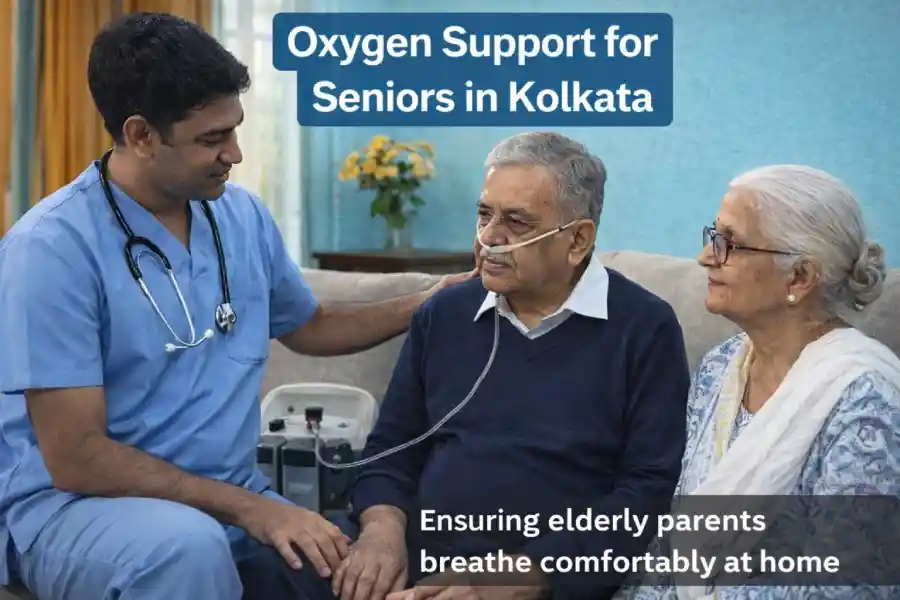
24/7 Oxygen Support and Medical Monitoring for Seniors – 2026 Family Guide
Published: May 2026 | Reading time: 7 minutes
For seniors with chronic respiratory conditions, heart failure, or post‑COVID complications, having round‑the‑clock oxygen support and medical monitoring is not a luxury – it is a lifeline. Without it, a sudden drop in oxygen levels can lead to brain damage, organ failure, or death within minutes. This guide explains what 24/7 oxygen support and medical monitoring involve, who needs them, and how families can ensure their loved ones receive safe, continuous care – whether at home or in a professional facility.
This is a general health information guide. If your loved one has dementia or Alzheimer’s and requires specialised memory care, please see our dedicated resource at the end.
1. What Is 24/7 Oxygen Support and Medical Monitoring?
Oxygen support means providing supplemental oxygen to a senior whose lungs cannot maintain adequate oxygen levels on their own. Delivery methods include:
- Nasal cannula – lightweight tubing for low‑flow oxygen.
- Oxygen mask – for higher flow or during emergencies.
- Non‑invasive ventilation (BiPAP/CPAP) – for sleep apnea or early respiratory failure.
- Mechanical ventilation – ICU setting only (not in senior homes).
Medical monitoring involves continuous or frequent tracking of vital signs: oxygen saturation (SpO₂), heart rate, blood pressure, respiratory rate, and temperature. In a 24/7 setting, trained staff monitor these parameters, adjust oxygen flow, and respond immediately to any deterioration.
2. Which Seniors Need 24/7 Oxygen Support?
| Condition | Reason for Oxygen Need |
|---|---|
| COPD (Chronic Obstructive Pulmonary Disease) | Damaged air sacs cannot transfer enough oxygen. |
| Congestive Heart Failure | Fluid in the lungs reduces oxygen exchange. |
| Pneumonia (especially post-COVID) | Infection fills air spaces with fluid. |
| Interstitial Lung Disease | Scarring of lung tissue. |
| Sleep Apnea | Breathing stops repeatedly during sleep. |
| Neuromuscular Disorders (ALS, muscular dystrophy) | Weak respiratory muscles. |
| Advanced Dementia | Aspiration pneumonia and poor cough reflex. |
If your parent has any of these conditions and experiences shortness of breath, confusion, blue‑tinged lips, or extreme fatigue, they may need 24/7 oxygen monitoring.
3. Essential Equipment for 24/7 Oxygen Support
| Equipment | Purpose |
|---|---|
| Oxygen concentrator | Extracts oxygen from room air; unlimited supply (requires electricity). |
| Oxygen cylinder | Backup for power failures or portability. |
| Pulse oximeter | Measures SpO₂ continuously (alarms if levels drop below 90%). |
| BiPAP/CPAP machine | For sleep apnea or respiratory failure. |
| Suction machine | Clears airway secretions. |
| Hospital-grade bed | Elevates head to ease breathing. |
| Backup generator | Critical – oxygen concentrators stop without power. |
At home, families must arrange all these. In a professional facility, they are already installed and maintained.
4. Why Home Care for Oxygen‑Dependent Seniors Often Fails
Caring for a senior on 24/7 oxygen at home is exceptionally challenging:
- Power cuts – Frequent in Kolkata. Without a generator, oxygen stops immediately.
- Staff training – Family members do not know how to adjust oxygen flow, troubleshoot concentrators, or recognise early signs of respiratory distress.
- Round‑the‑clock vigilance – A sudden drop in SpO₂ can happen while everyone sleeps. No one responds.
- Equipment maintenance – Filters must be cleaned; cylinders must be refilled; backups must be tested.
- Social isolation – The senior is often confined to one room, leading to depression.
Many families find that despite their best efforts, home care leads to repeated hospitalisations. A professional facility with 24/7 nursing and emergency backup is often safer.
5. What Professional 24/7 Oxygen Support Looks Like in a Senior Care Setting
A well‑equipped nursing home or assisted living facility should offer:
- Continuous oxygen saturation monitoring – With audible alarms if levels fall.
- Qualified nurses who understand respiratory failure and adjust therapy.
- Oxygen concentrators for every bed – No sharing or moving heavy cylinders.
- Backup oxygen cylinders and generator – Ensures no interruption during power cuts.
- Suction and BiPAP availability – For airway management.
- Regular doctor visits – A pulmonologist or geriatrician reviews oxygen prescriptions.
- Physiotherapy – Chest physiotherapy to clear secretions.
2026 insight: The best senior homes now use remote monitoring systems that send SpO₂, heart rate, and respiratory rate data directly to the nurse’s station and to family members via an app.
6. How to Choose a Facility for Oxygen‑Dependent Seniors – Checklist
When evaluating a senior home for a loved one on oxygen, ask:
- Is there a backup generator? – Test it (ask for the last drill date).
- What is the oxygen source? Concentrator, cylinders, or both?
- How often are oxygen levels monitored? Continuous? Every hour? Only upon complaint?
- Are nurses trained in BiPAP/CPAP and suction? – Ask for certification.
- What is the emergency protocol for a sudden drop in SpO₂?
- Can families see real‑time oxygen readings via an app?
- Is there a tie‑up with a hospital for ICU transfer?
Red flags: No backup generator, “we call 108 for any emergency” (delays are deadly), no pulse oximeter at bedside, staff cannot explain how to adjust oxygen flow.
7. Cost of 24/7 Oxygen Support and Monitoring in Kolkata (2026)
| Component | Approximate Cost (₹) |
|---|---|
| Monthly facility fee (basic room, meals, nursing) | 30,000 – 60,000 |
| Additional oxygen support (concentrator + monitoring) | 8,000 – 15,000 extra |
| BiPAP/CPAP rental (if needed) | 3,000 – 6,000 per month |
| Backup oxygen cylinder rental | 1,000 – 2,000 per month |
Note: Some homes include oxygen support in the monthly fee for respiratory patients. Always ask for a written cost breakdown.
8. Frequently Asked Questions (FAQ) – Oxygen Support for Seniors
Normal SpO₂ is 95‑100%. Below 90% is hypoxemia and requires medical attention. For seniors with COPD, doctors may target 88‑92% to avoid carbon dioxide retention.
Yes – but they are expensive. For home use, stationary concentrators are more reliable.
Every 2‑4 weeks, or sooner if visibly soiled. Dirty tubing can cause infections.
No. It is a medical treatment. Seniors do not become “dependent” in an addictive sense – their bodies need the oxygen to survive.
Restless sleep, waking up gasping, morning headache, confusion. Family members may notice loud snoring with pauses (sleep apnea).
Yes – but only if the facility has 24/7 nursing, backup power, and oxygen equipment. Many general old age homes do not. Ask specifically.
Without a generator, the oxygen concentrator stops. This is life‑threatening. Never admit a loved one to a facility that lacks a backup generator.
9. When Oxygen Support Is Part of a Bigger Picture – Dementia and Respiratory Failure
Many seniors with advanced dementia also develop swallowing problems, leading to aspiration pneumonia. This creates a cycle: pneumonia → low oxygen → hospitalisation → brain damage → worsened dementia. In such cases, 24/7 oxygen support must be combined with:
- Dementia‑specialised nursing – Calming techniques, familiar routines.
- Aspiration prevention – Thickened liquids, upright feeding, oral care.
- Palliative care – If the dementia is end‑stage, focusing on comfort rather than aggressive oxygen therapy.
A general nursing home may not handle both dementia and oxygen needs. Specialised memory care units with respiratory support are rare but essential.
If your loved one has both dementia and respiratory failure requiring oxygen support, a dual‑specialty facility is critical. Explore our Kolkata memory care home with advanced medical monitoring:
👉 Old age home in Kolkata for dementia care
Final Advice – Do Not Compromise on Safety
Oxygen dependency is not a death sentence – with proper support, seniors can live comfortably for years. But the margin for error is tiny. A power cut, a missed monitoring check, or an untrained caregiver can be fatal. If you cannot provide 24/7 trained oversight at home, a professional facility with backup systems and skilled nurses is not a luxury – it is a necessity.
For families who need integrated care for dementia and respiratory conditions, visit our specialised page:
👉 Old age home in Kolkata for dementia care
🩻 Does Your Loved One Need 24/7 Oxygen Support?
We offer specialised respiratory monitoring, backup power, and trained nurses in a safe, compassionate environment. Contact us for a free care assessment.
Contact Shibasram Trust →