How Environment Affects Senior Mood – 2026 Evidence‑Based Guide
Published: May 2026 | Reading time: 7 minutes
The environment where a senior lives – whether at home, in a retirement community, or in a care facility – has a profound impact on their emotional well‑being, cognitive function, and overall quality of life. Small changes in lighting, noise levels, colours, and layout can reduce depression, lower agitation, and even slow cognitive decline. This guide explores the key environmental factors that influence senior mood and offers practical, evidence‑based tips for creating a supportive living space.
This is a general wellness guide. If your loved one has dementia or Alzheimer’s and requires specialised residential memory care, please see our dedicated resource at the end.
1. Lighting – The Most Powerful Mood Regulator
Poor lighting is a major cause of low mood, confusion, and falls. Seniors need brighter, glare‑free illumination than younger adults.
How lighting affects mood: Dimmer, yellowish light increases melatonin, causing drowsiness and low energy. Bright, cool light (morning) boosts serotonin, improving alertness and mood. Inadequate light leads to eye strain, fear of falling, and social withdrawal.
Practical tips: Increase natural light (open curtains, use light‑coloured walls). Use daylight‑LED bulbs (5000K) in living areas during the day. Install night lights in hallways and bathrooms to prevent disorientation. For seniors with dementia, add bright light exposure in the morning to reduce sundowning.
2. Noise Levels – The Hidden Stressor
Constant noise – traffic, TV, loud appliances – raises cortisol levels, increases irritability, and disrupts sleep. Seniors with hearing loss are especially sensitive to background noise.
How noise affects mood: Sudden loud sounds trigger anxiety and startle reactions. Continuous low‑level noise (fridge hum, distant traffic) causes chronic low‑grade stress. Noisy environments reduce social interaction (residents withdraw to their rooms).
Practical tips: Use soft furnishings (carpets, curtains, upholstery) to absorb sound. Keep televisions and radios at moderate volume; use headphones if needed. Create a quiet room or corner for reading or resting. In facilities, ask about noise control measures (acoustic tiles, double‑glazed windows).
3. Colour and Contrast – Affecting Perception and Emotion
Colour psychology is real. Warm colours (yellow, orange, red) can energise, while cool colours (blue, green) calm. But for seniors with vision changes, contrast matters even more.
How colour affects mood: Blues and greens reduce anxiety and lower heart rate – good for bedrooms. Yellow and warm tones stimulate appetite and conversation – good for dining rooms. Low contrast (beige walls, beige floor, beige furniture) makes it hard to see edges, causing frustration and fear.
Practical tips: Use high‑contrast colours for critical areas: dark toilet seat on a light floor, white door handles on a dark door. Avoid busy patterns (stripes, florals) which can cause visual confusion, especially in dementia. Paint one accent wall a warm, cheerful colour (soft peach, buttery yellow).
4. Layout and Clutter – Reducing Stress and Falls
A cluttered, poorly arranged home is a constant source of low‑grade anxiety. Seniors may worry about tripping or not being able to find things.
How layout affects mood: Narrow pathways with obstacles increase fall risk and stress. Unclear layout (e.g., bathroom hidden behind a door) causes disorientation, especially for those with cognitive decline. Personalisation (photos, familiar objects) lifts mood and creates a sense of belonging.
Practical tips: Remove loose rugs, excess furniture, and clutter from walkways. Keep frequently used items (glasses, phone, remote) within easy reach. Arrange furniture to encourage social interaction (chairs facing each other, not all pointed at a TV). For dementia: Use a clear path of travel with visual cues (coloured tape on the floor leading to the bathroom).
5. Access to Nature – The Ultimate Mood Booster
Even a view of trees, a small indoor plant, or a few minutes in a garden reduces stress, lowers blood pressure, and improves attention.
How nature affects mood: Green spaces lower cortisol and reduce agitation. Natural light (already covered) combines with fresh air and gentle movement. Gardening activities provide purpose and satisfaction.
Practical tips: Position seating near a window with a garden view. Bring indoor plants (snake plant, peace lily – low maintenance). If mobility permits, create a small balcony or patio garden with raised planters. For care facilities, ask about outdoor courtyards and walking paths.
6. Social Spaces – Fighting Loneliness
Loneliness is as harmful as smoking 15 cigarettes a day. The physical environment should encourage, not inhibit, social interaction.
How social spaces affect mood: Small, cosy seating areas (2‑4 chairs) invite conversation. Large, cavernous rooms feel impersonal and discourage mixing. Lack of communal dining leads to solitary eating – a major risk factor for depression.
Practical tips (for home): Arrange chairs to face each other, not just the TV. Keep a card table or puzzle area accessible. If living alone, invite a neighbour or volunteer for weekly visits. For facilities: Ask to see the common lounge during a non‑tour hour – do residents gather and talk, or is it empty?
7. Temperature and Air Quality – Physical Comfort Affects Mood
Feeling too hot or too cold directly impacts mood. Poor air quality (dust, mould, stuffiness) causes fatigue and respiratory irritation.
How temperature affects mood: Too hot (above 28°C) causes lethargy, dehydration, and irritability. Too cold (below 18°C) causes discomfort, shivering, and withdrawal. Stale air increases headache and drowsiness.
Practical tips: Maintain 22‑25°C in living areas (adjust for personal preference). Use fans, air conditioning, or heaters as needed – but ensure safety (no exposed heating elements). Improve ventilation – open windows daily (weather permitting) or use exhaust fans.
8. The Link Between Environment and Dementia Care
For seniors with Alzheimer’s or other dementias, environmental design becomes even more critical. Features that help:
- Wandering prevention – secure doors, visual barriers (murals on exit doors), colour‑coded paths.
- Reduced agitation – soft, indirect lighting; quiet zones; access to nature.
- Orientation cues – clear signage, personal memorabilia outside rooms.
A poorly designed environment can trigger catastrophic reactions (screaming, hitting, pacing). A well‑designed memory care unit improves mood, reduces antipsychotic medication use, and enhances quality of life.
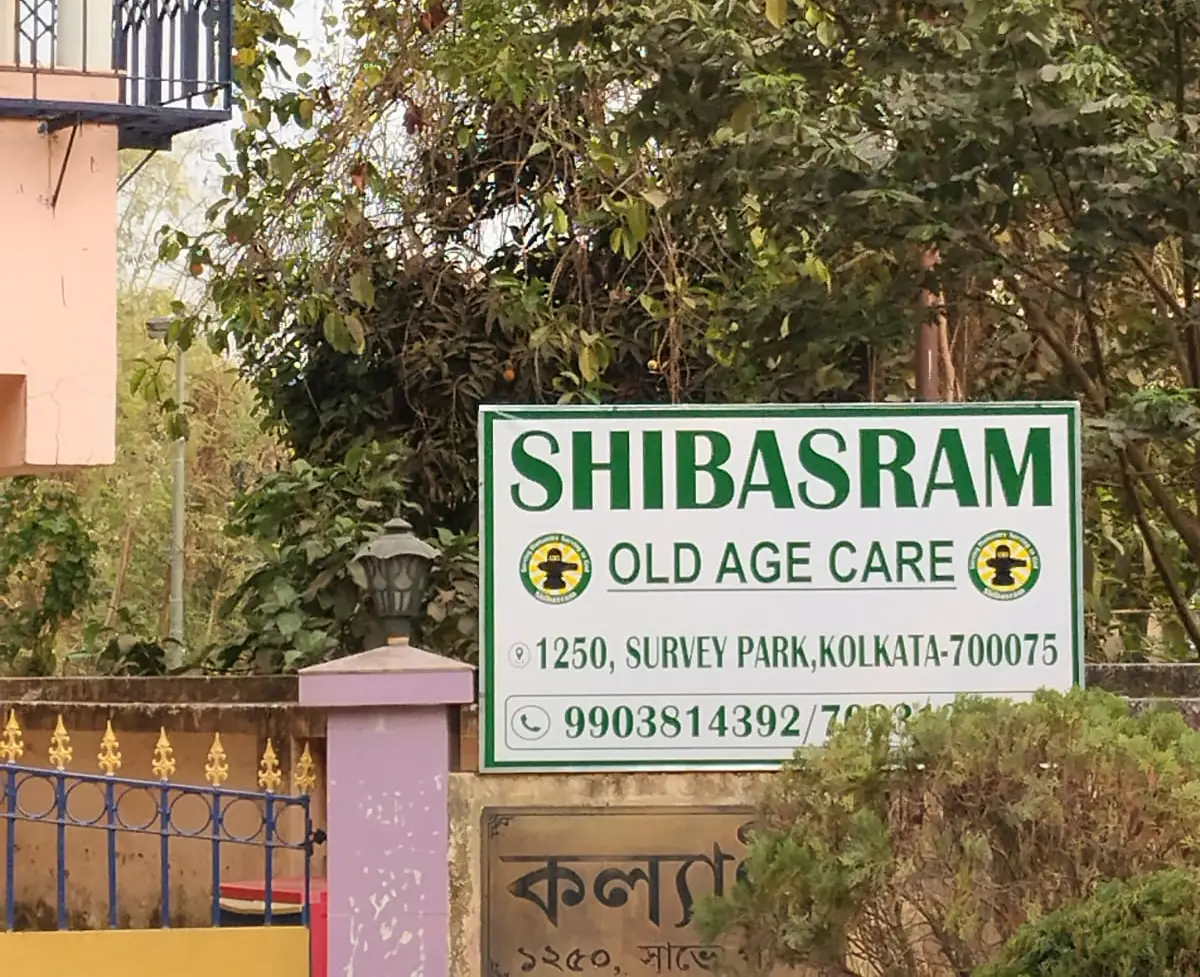
If your loved one has dementia or Alzheimer’s and requires specialised memory care in a thoughtfully designed environment, please visit our dedicated facility in Kolkata:
👉 Old age home in Kolkata for dementia care
Frequently Asked Questions (FAQ) – Environment and Senior Mood
Yes – soft, warm colours (peach, light yellow) in living areas can uplift mood. Avoid dark, gloomy colours or stark white. For bedrooms, soft blues or greens promote calm.
Morning bright light (cool white, 5000K) for 30‑60 minutes. In the evening, dim warm lights (2700K) to signal bedtime. Avoid fluorescent tubes that flicker.
Background noise above 50 decibels (normal conversation level) begins to cause stress. For sleeping, aim for under 30 dB.
Yes – studies show that caring for a plant reduces depression and gives a sense of purpose. Choose low‑maintenance, non‑toxic plants (spider plant, aloe vera).
Declutter, improve lighting, add high‑contrast cues (different coloured bath mat), and create a designated social corner.
Sundowning is increased confusion/agitation in late afternoon/evening. Increase light exposure in the morning, reduce noise and bright lights in the evening, and maintain a predictable routine.
It depends on the senior’s personality and needs. A quiet area is good for those with sensory sensitivity, but isolation can worsen depression. City proximity offers services and visitors – the ideal is a quiet home within easy reach of family.
Final Advice – Small Changes, Big Impact
You do not need to renovate your entire home. Start with one change: open the curtains, add a lamp with a daylight bulb, clear a walkway, or place a chair by the window. Observe your loved one’s mood over the next week. Environmental adjustments are low‑cost, side‑effect‑free interventions that work.
If mood issues persist despite a good environment, or if cognitive decline makes safety at home impossible, professional residential care (especially a memory care unit) provides a purpose‑built setting that supports mood and wellbeing around the clock.
For families in Kolkata who need specialised dementia care or 24/7 memory support, explore our dedicated memory care home:
👉 Old age home in Kolkata for dementia care
🏡 Create a Mood‑Boosting Environment – Or Let Us Help
We offer guidance on senior‑friendly home modifications and specialised memory care in Kolkata.
Contact Shibasram Trust →