
How to Prevent Dementia: Your Evidence-Based Guide to Risk Reduction
Up to 45% of dementia cases could be prevented or delayed through lifestyle changes. Discover science-backed strategies to protect your brain – from the MIND diet and exercise to cognitive training and social connection. You have more control over your brain health than you think.
Free Consultation
Replace with your own image
The Science of Prevention: What We Now Know
For decades, dementia was seen as an inevitable part of ageing. If your parents had it, you would get it too. But that fatalistic view is outdated.
The landmark Lancet Commission on Dementia identified 12 modifiable risk factors that account for up to 40% of all dementia cases. These include:
- High blood pressure
- Physical inactivity
- Diabetes
- Obesity
- Smoking & excessive alcohol
- Social isolation
- Depression
- Hearing loss
- Air pollution
- Low education
- Poor diet
The good news? Every single one of these is within your power to change. More recent research confirms that lifestyle-based interventions show real promise in preventing or delaying dementia onset. The evidence is so strong that major clinical trials are now testing whether structured lifestyle programs can protect brain function in at-risk older adults.
The key takeaway: It is never too early and never too late to start. Risk reduction works at any age.
The MIND Diet: Fuel for Your Brain
What you eat directly affects your brain health. The MIND diet (Mediterranean-DASH Intervention for Neurodegenerative Delay) was specifically designed to protect the brain.
What to Limit
- Red meat (less than 4 servings/week)
- Butter and margarine (less than 1 tbsp/day)
- Cheese (less than 1 serving/week)
- Pastries and sweets (less than 5 servings/week)
- Fried foods (less than 1 serving/week)
Indian Adaptation
- Swap white rice for ragi, jowar, or brown rice
- Use cold-pressed mustard oil or groundnut oil instead of refined oils
- Snack on roasted chana or almonds instead of namkeen
- Add turmeric (haldi) to your cooking – it has powerful anti-inflammatory properties
- Include palak, methi, and sarson in your daily meals
Physical Exercise: Move to Protect Your Mind
Physical inactivity is one of the most significant modifiable risk factors for dementia. But you don't need to run marathons to protect your brain.
The Evidence
The U.S. POINTER Study, a landmark clinical trial involving over 2,100 older adults, found that structured lifestyle interventions including regular exercise improved cognitive function over two years.
Even modest amounts of physical activity make a difference. Studies show that regular physical activity is associated with a significantly lower risk of cognitive decline.
What to Do
- Aerobic exercise: Most days, 30-45 minutes (walking, swimming, cycling)
- Resistance training: 2-3 times/week, 20-30 minutes
- Stretching/Balance: Daily, 10-15 minutes
Practical Tips: Walk in your local park, join a walking group, try chair exercises if mobility is limited, or practice Tai Chi – excellent for balance and cognitive health.
Cognitive Engagement: Use It or Lose It
Your brain is like a muscle – it needs regular exercise to stay strong. Cognitive engagement builds cognitive reserve, which helps your brain resist damage and delay dementia symptoms.
Activities That Protect Your Brain
- Reading regularly (books, newspapers, magazines)
- Learning new skills (a language, an instrument, a craft)
- Playing strategy games (chess, bridge, puzzles)
- Brain training apps (BrainHQ and similar programs)
- Attending lectures or workshops
- Writing (journaling, memoirs, letters)
The Science
Research shows that people who engage in diverse leisure activities have a lower risk of cognitive decline. Multi-domain interventions that combine cognitive training with other lifestyle changes have shown the most promise.
Practical Tip: Set aside 30 minutes daily for reading or puzzles. Join a book club or hobby group. Stay curious – ask questions, explore new topics.
The Power of Multi-Domain Interventions
Single interventions help. But combining multiple lifestyle changes creates a powerful synergistic effect.
The FINGER trial (Finnish Geriatric Intervention Study to Prevent Cognitive Impairment and Disability) was the first major study to show that a multi-domain lifestyle intervention could improve or maintain cognitive functioning in at-risk older adults.
The U.S. POINTER Study confirmed these findings. Both structured and self-guided multi-domain interventions improved cognition in older adults at risk of cognitive decline. The structured intervention, which included:
- Regular physical exercise (aerobic, resistance, stretching)
- Adherence to the MIND diet
- Cognitive training
- Social engagement
- Heart health monitoring
The takeaway: Don't just pick one thing. Combine diet, exercise, cognitive training, social engagement, and health monitoring for the best results.
Dementia Prevention in the Indian Context
India faces a growing dementia crisis. With nearly 12% of the population aged 60 and above, the number of people living with dementia is expected to rise sharply.
But India is also innovating in dementia prevention.
The SMRUTHI INDIA Study
The Strategic Multimodal Intervention in at-risk Elderly Indians for Prevention of Dementia (SMRUTHI INDIA) study is a landmark Indian research initiative. It aims to:
- Establish a trial-ready cohort of 10,000 elderly Indians at high risk of dementia
- Design a multimodal 'care bundle' for dementia prevention that is culturally tailored and context-specific to the Indian population
- Test interventions including nutritional options (akin to the Mediterranean diet) adapted for Indian settings, physical exercise and yoga, and cognitive exercises feasible in the Indian context
Community-Based Interventions
Experts advocate for community-based and culturally-tailored interventions to improve dementia care and prevention in India. Empowering community health workers to educate others about risk factors for chronic disease is a key strategy.
What This Means for You: The science of dementia prevention applies to Indians too. Indian foods like ragi, jowar, palak, and methi are excellent for brain health. Yoga is a powerful tool for both physical and mental health. Community and family connections are already strong in India – use them!
Conclusion: Start Today
Dementia is not inevitable. Up to 45% of cases could be prevented or delayed through lifestyle changes. The science is clear: you have more control over your brain health than you think.
Your Action Plan for Risk Reduction
- Diet: Follow the MIND diet – more leafy greens, berries, nuts, whole grains, fish
- Exercise: Walk 30 minutes daily + strength training twice a week
- Cognitive: Read, learn, play strategy games, stay curious
- Social: Stay connected with family, friends, and community
- Sleep: Aim for 7-8 hours of quality sleep
- Stress: Practice meditation, yoga, or deep breathing
- Hearing: Get your hearing checked and use aids if needed
- Health: Manage blood pressure, diabetes, and cholesterol
Start small. Pick one area and work on it this week. Then add another. Your brain will thank you for years to come.
If you or a loved one need support with senior care, memory care, or dementia care, professional help is available. Shibasram Trust offers comprehensive senior care services in Kolkata, including assisted living and specialized dementia care. With 24/7 nursing support, personalized care plans, and a compassionate environment, Shibasram is dedicated to protecting the health and wellbeing of senior citizens.
Explore Shibasram's trusted senior care services:
📍 Santoshpur, Kolkata | 24/7 nursing | Home-like environment
Frequently Asked Questions
Ready to Protect Your Brain?
Shibasram Trust provides comprehensive senior care, dementia care, and assisted living in Kolkata. Get a free consultation today.
Call +91 99038 14392📍 Santoshpur, Kolkata | Free pre-admission assessment
Social Connection: Stay Connected, Stay Sharp
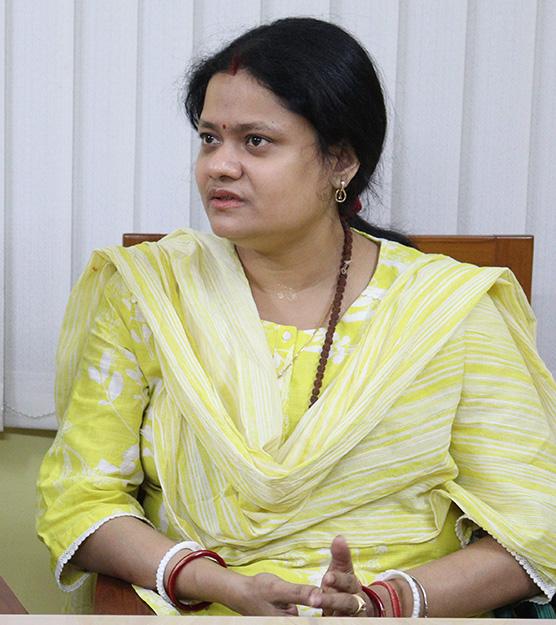
Loneliness and social isolation are serious risk factors for dementia. Staying socially engaged is not just good for your mood – it is essential for your brain.
Why Social Connection Matters
How to Stay Connected
For Indian Seniors: Participate in family functions and festivals. Visit the local temple, gurudwara, or mosque regularly. Join a senior citizens' group in your area.