
Travel & Outings for Dementia Patients: Safe & Joyful Guide
Dementia does not mean the end of joyful experiences. With careful planning, patience, and the right approach, travel and outings can bring immense happiness to dementia patients. Whether it is a short walk in the park, a family gathering, or a temple visit, these moments of connection matter. This guide will show you how to plan safe, meaningful outings that your loved one can truly enjoy.
Free Consultation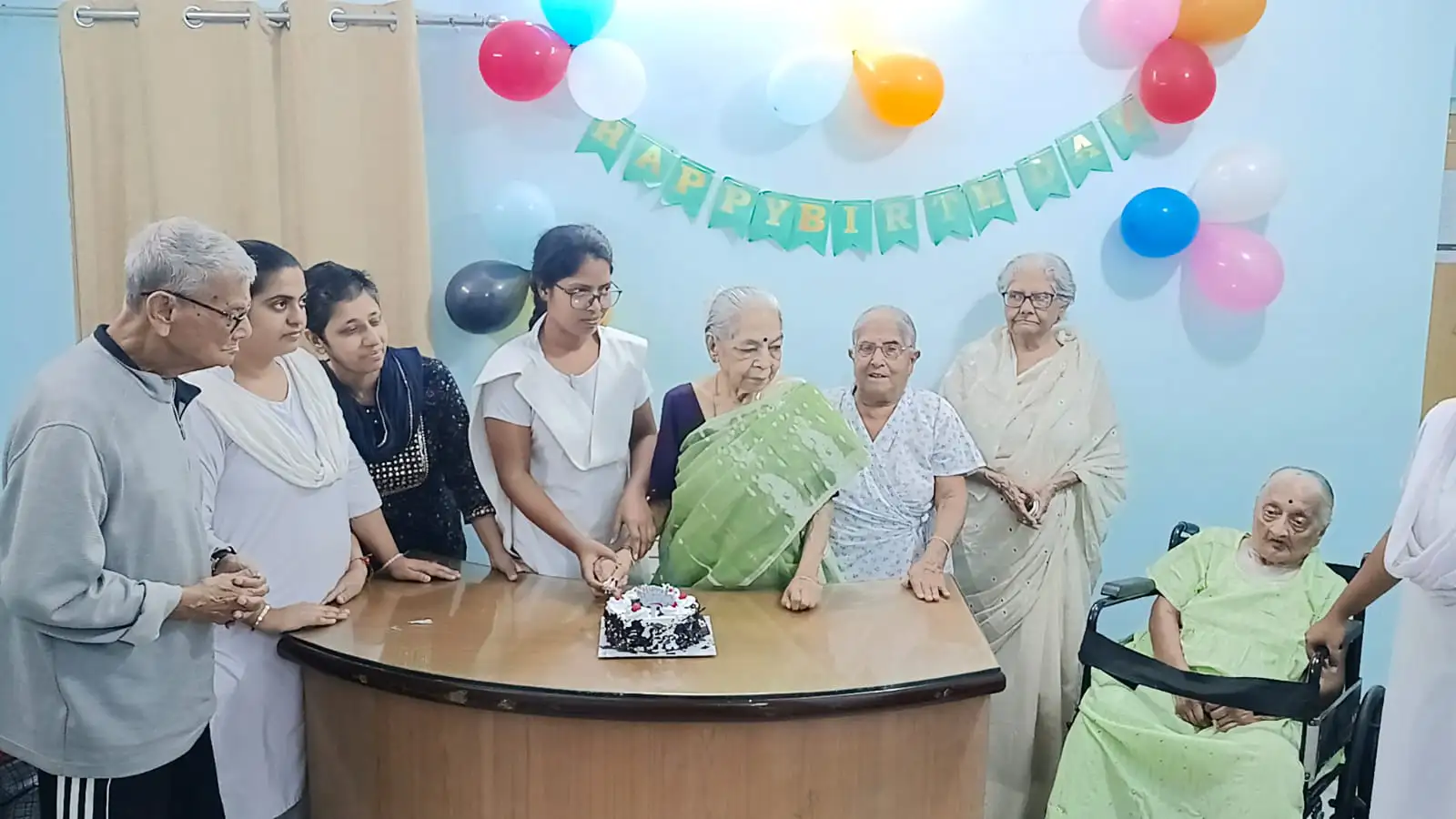
Why Outings Matter for Dementia Patients
When someone is diagnosed with dementia, families often become overprotective. They stop taking their loved one outside. They fear embarrassment, accidents, or wandering. But this isolation can be harmful.
Dementia patients are still human beings with emotions, memories, and a deep need for connection. They may not remember the details of an outing, but they will remember the feeling — the warmth of the sun, the taste of their favourite food, the sound of a familiar song, the joy of being with family.
Outings provide sensory stimulation, social connection, and a sense of normalcy. They break the monotony of daily routines and create moments of joy that improve mood and reduce agitation. For families, these shared experiences become precious memories.
At old age home in kolkata facilities like Shibasram Trust, supervised outings are part of the care programme, giving residents the joy of exploration within a safe environment.
The Benefits of Outings for Dementia Patients
Research shows that meaningful activities and outings offer significant benefits for people living with dementia.
Mood Improvement
Outings stimulate positive emotions. Fresh air, sunlight, and new sights can lift depression and reduce anxiety. Even a short walk in a garden can trigger feelings of calm and happiness.
Cognitive Stimulation
New environments and experiences stimulate the brain. Familiar places from the past can trigger long-term memories, sparking conversation and connection. This sensory engagement helps slow cognitive decline.
Social Connection
Outings bring dementia patients into contact with others — family members, friends, or community members. This reduces isolation and loneliness, which are significant risk factors for cognitive decline.
Sense of Identity
Visiting familiar places — their old neighbourhood, favourite temple, or childhood park — helps dementia patients reconnect with their identity. It reminds them of who they were and still are.
Better Sleep
Physical activity and sunlight exposure during outings help regulate the sleep-wake cycle. This can reduce nighttime restlessness and improve overall sleep quality for both patients and caregivers.
Caregiver Relief
Outings break the monotony for caregivers too. Seeing your loved one happy and engaged provides emotional relief and strengthens your bond. It reminds you why you do what you do.
How to Plan an Outing: Step-by-Step
Careful planning is the key to a successful outing. Here is a practical approach.
Choose the Right Time
Most dementia patients experience "sundowning" — increased confusion in the late afternoon and evening. Plan outings for the morning or early afternoon when they are calmest, most alert, and best able to enjoy the experience.
Keep It Short
Start with short outings — 1 to 2 hours maximum. If your loved one enjoys it, gradually increase the duration. Long trips can cause fatigue, confusion, and agitation.
Choose Familiar Places
Familiar environments reduce anxiety. Consider places they visited often before dementia — a favourite park, a temple they frequented, or a relative's home. Avoid crowded, noisy, or unfamiliar places initially.
Prepare in Advance
Explain the plan simply and calmly a day before. Repeat it on the day of the outing. Avoid surprises. Give them time to process and adjust to the idea.
Pack Essentials
Carry identification, medications, water, snacks, a change of clothes, and comfort items. Be prepared for any situation.
Have a Backup Plan
Be flexible. If your loved one becomes agitated or tired, be ready to cut the outing short and return home. The goal is enjoyment, not completing an agenda.
Best Places in Kolkata for Dementia Outings
Kolkata offers many calm, dementia-friendly places. Here are some ideas.
Parks & Gardens
- Rabindra Sarobar — calm lake, birdwatching, morning walks
- Eden Gardens — beautiful greenery, quiet weekdays
- Botanical Gardens, Howrah — peaceful, spacious, and green
- Central Park, Salt Lake — open spaces and easy pathways
Spiritual Places
- Kalighat Temple — visit during non-peak hours
- Dakshineswar Temple — riverside, peaceful mornings
- Belur Math — serene environment, gardens
- Local neighbourhood temple — familiar and comfortable
Familiar Eateries
- A favourite sweet shop from their past
- A quiet café with familiar food
- A family restaurant they loved
- Avoid loud, crowded, or overly stimulating restaurants
Family & Friends
- Visit a relative's home
- Attend a small family gathering
- Celebrate festivals at home with close family
- Keep gatherings small and calm
Avoid: Crowded malls, loud wedding receptions, chaotic markets, unfamiliar large events, or places with too much noise and activity. These can overwhelm a dementia patient and trigger anxiety or agitation.
Dementia Travel Checklist: What to Pack
Being prepared makes all the difference. Here is a complete checklist for outings and travel.
Identification & Documents
- Government-issued photo ID (Aadhaar, etc.)
- Emergency contact numbers written on a card
- A recent photograph of the patient
- Medical summary and doctor's prescription list
- Insurance details if applicable
Medications & Health
- All regular medications in original packaging
- Extra doses in case of delay
- A small first-aid kit
- Incontinence products if needed
- Hand sanitizer and tissues
Clothing & Comfort
- A change of clothes (accidents happen)
- Comfortable, easy-to-remove shoes
- A light jacket or shawl (temperature changes)
- A favourite comfort item (blanket, toy, photo)
- A hat or cap for sun protection
Food & Hydration
- A water bottle (dehydration is a risk)
- Easy-to-eat snacks (biscuits, fruit, nuts)
- A favourite treat or sweet
- Avoid messy or hard-to-eat foods on the go
Technology & Safety
- A fully charged mobile phone
- GPS tracking app or device (if wandering is a concern)
- ID bracelet with name and contact number
- A power bank for long outings
Comfort & Distraction
- A favourite book or magazine
- Music player with familiar songs
- A small photo album of family
- A simple activity (cards, puzzle) for waiting times
During the Outing: Tips for a Smooth Experience
Stay Calm & Patient
Dementia patients may become confused or repeat questions. Respond with patience and reassurance. Never argue or correct them harshly. A calm voice and a gentle touch can work wonders.
Never Leave Them Alone
Always have a caregiver within arm's reach. In crowds or unfamiliar places, hold their hand firmly. Do not assume they will stay by your side — wandering can happen in seconds.
Keep Communication Simple
Use short, clear sentences. Ask one question at a time. Give them time to respond. Use visual cues and gestures to support your words.
Plan Bathroom Breaks
Identify restrooms early. Ask your loved one if they need to go before leaving home and periodically during the outing. Accidents can cause embarrassment and distress.
Keep Meals Simple
Choose familiar foods. Avoid messy or difficult-to-eat dishes. Cut food into small pieces if needed. Hydration is essential — offer water frequently.
Focus on Enjoyment
Don't worry about completing a checklist. If your loved one is happy sitting on a bench watching birds, let them. The goal is joy, not achievement.
Preventing Wandering During Outings
Wandering is one of the most serious risks during outings. A person with dementia may suddenly walk away, become disoriented, and get lost. Here is how to prevent it.
Choose Enclosed Spaces
Opt for enclosed parks, gardens, or venues with controlled exits. Avoid open areas near roads, rivers, or crowded streets where wandering can be dangerous.
Dress for Identification
Dress your loved one in bright, distinctive clothing. This makes them easier to spot in a crowd. Avoid dark or common colours.
Use ID Tags
Wear an ID bracelet or necklace with their name, your contact number, and a brief note about their condition. You can also place a card in their pocket.
GPS Tracking
Consider a GPS-enabled watch or tracker. These devices can help you locate your loved one quickly if they wander off.
Inform Staff
If visiting a venue, inform the staff about your loved one's condition. Ask them to keep an eye out and alert you if they see your family member alone.
Hold Hands
In crowded or unfamiliar places, hold your loved one's hand firmly. Do not rely on verbal instructions alone.
Long-Distance Travel with a Dementia Patient
Travelling longer distances — by train, flight, or car — requires extra planning. Here are some important considerations.
Air Travel
- Inform the airline in advance about your loved one's condition
- Request wheelchair assistance and priority boarding
- Carry all medications in hand baggage
- Choose direct flights to minimise confusion
- Avoid tight connections and long layovers
Train Travel
- Book lower berths for easier movement
- Choose a quiet coach if possible
- Carry food and water from home
- Keep the compartment door closed to prevent wandering
- Carry a familiar blanket or pillow for comfort
Car Travel
- Plan frequent breaks every 1-2 hours
- Keep the car cool and comfortable
- Play familiar music to reduce anxiety
- Use child locks on doors for safety
- Avoid long drives without rest
Accommodation
- Choose quiet, familiar hotels or homestays
- Book ground-floor rooms or ones near the lift
- Bring familiar items to make the room feel like home
- Keep the room key with you, not the patient
- Inform hotel staff about the condition
Conclusion: Creating Joyful Moments Together
Dementia changes many things, but it does not take away the human need for joy, connection, and new experiences. With careful planning, patience, and the right approach, outings and travel can be safe, meaningful, and deeply rewarding for both patients and caregivers.
Remember:
- Choose familiar, calm places and the right time of day
- Keep outings short and have a backup plan
- Pack essentials — ID, medications, water, comfort items
- Never leave them alone and stay patient
- Focus on enjoyment, not on completing an agenda
If you need professional support, Shibasram Trust offers specialised dementia and Alzheimer's care in Kolkata. Our facilities include supervised outings, 24/7 nursing support, and a compassionate environment. We also provide a trusted old age home in kolkata setting where every senior is treated with dignity and love.
Explore Shibasram's trusted senior care services:
📍 Santoshpur, Kolkata | 24/7 nursing | Home-like environment
Frequently Asked Questions
Need Dementia Care Support?
Shibasram Trust provides specialised dementia care with supervised outings, 24/7 nursing support, and a compassionate environment in Kolkata. We also offer a trusted old age home in kolkata setting.
Call +91 99038 14392📍 Santoshpur, Kolkata | Free pre-admission assessment