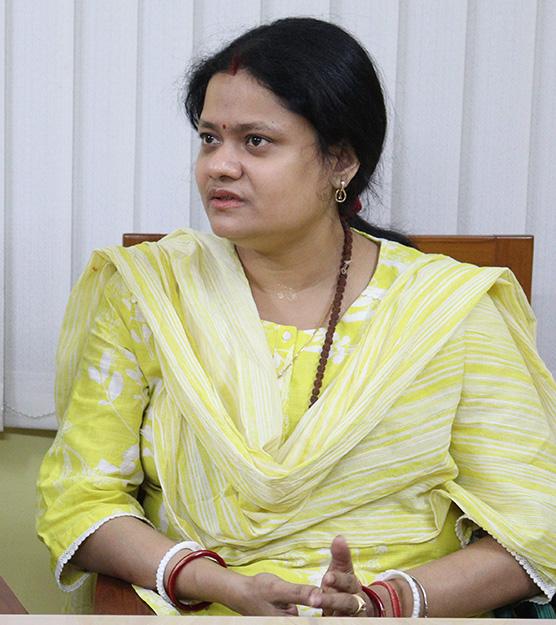
NRI Guide: Dementia Care Home in Kolkata for Parents
Living abroad while your parent lives with dementia in Kolkata is one of the hardest situations a family can face. This NRI guide shows you exactly how to evaluate, choose, pay for, and monitor dementia care from another country — without guilt, guesswork, or compromise on safety. Everything here supports your search for a trusted dementia care home in kolkata.
Free NRI Consultation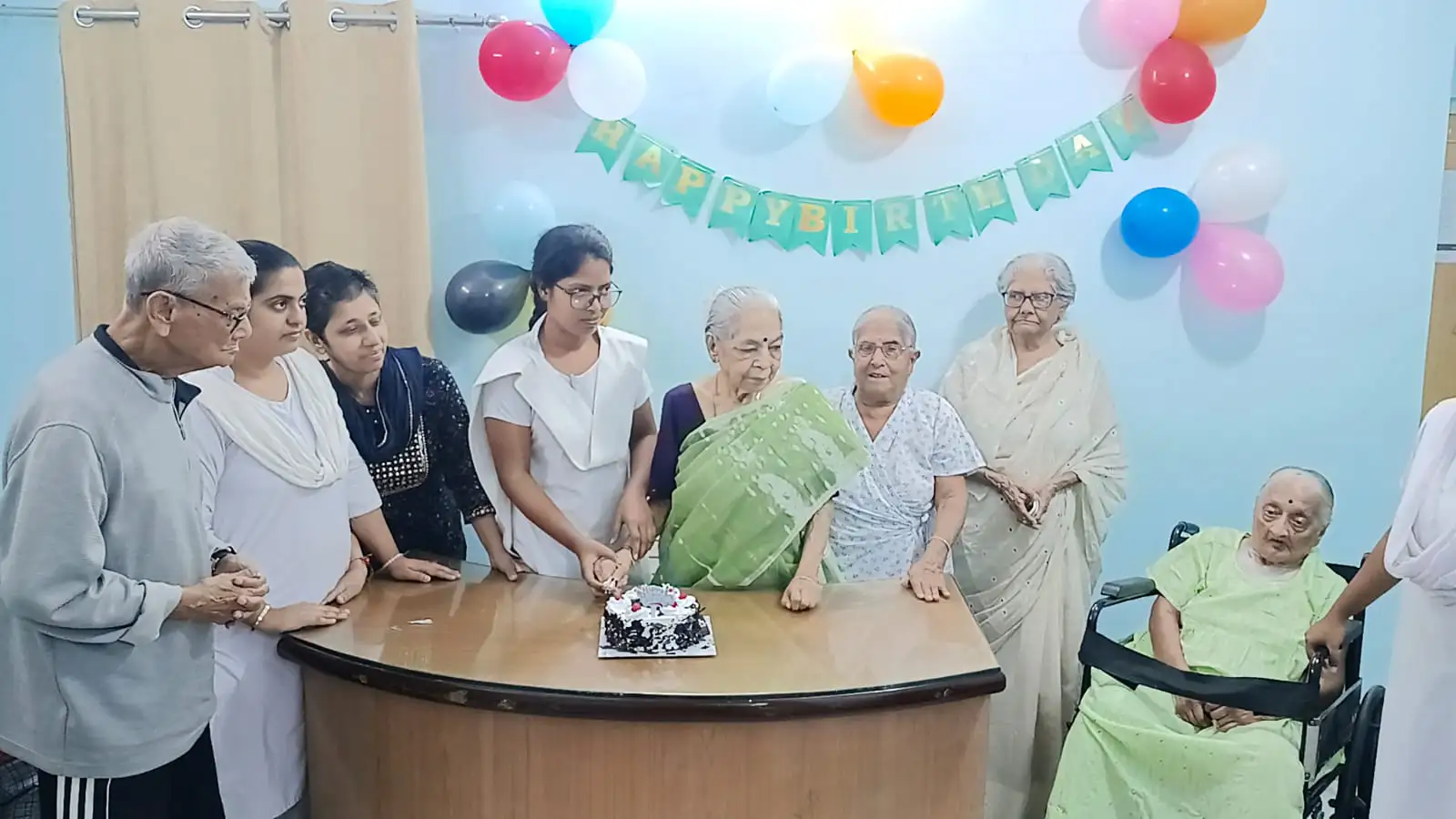
Table of Contents
The NRI Challenge: Love Across Continents
You call every day. You send money. You fly down when you can. But you cannot be there at 2 AM when your father wanders out of the house. You cannot be there when your mother forgets her blood pressure medicine. You cannot be there when she falls in the bathroom.
This is the daily reality for thousands of NRI families with parents in Kolkata. Dementia makes it worse because the disease is unpredictable. One day your parent is calm. The next day they are agitated, confused, or lost. Home attendants quit. Relatives help for a while but cannot sustain it. The guilt of being far away becomes overwhelming.
Bringing your parent abroad is usually not realistic — visa issues, language barriers, insurance costs, and their own deep attachment to Kolkata make it difficult. The practical answer is a trusted dementia care facility in Kolkata that becomes your eyes, hands, and heart on the ground.
This NRI guide is written specifically to help you choose one — remotely, confidently, and without compromising on quality. For families who want to understand the full scope of dementia care services available, our main dementia care home in kolkata page covers facilities, medical support, and daily life in detail.
Home Care vs Dementia Care Facility: Honest Comparison for NRIs
Many NRI families first try Elderly Home Care Service in Kolkata. It works for mild cases. For moderate to advanced dementia, a specialised facility is usually safer.
| Factor | Home Care | Dementia Care Facility |
|---|---|---|
| Wandering prevention | Very difficult — doors cannot always be locked | Locked exits, secure gardens, monitored corridors |
| 24/7 supervision | Depends on attendant shifts; gaps common | Round-the-clock trained staff on site |
| Medical emergency response | Depends on ambulance availability | On-site nurse + ambulance tie-up with hospitals |
| Structured routine | Inconsistent, depends on attendant | Fixed schedule for meals, medicine, activity, rest |
| Cognitive stimulation | Rarely provided | Music, art, memory games, physiotherapy |
| Attendant reliability | High turnover, frequent absences | Supervised teams with backup staff |
| Peace of mind for NRI family | Constant worry, frequent crisis calls | Daily updates, coordinator, written reports |
Verdict: For early-stage dementia, home care can work with strong supervision. For moderate to advanced dementia — especially with wandering, aggression, or swallowing difficulty — a specialised dementia care facility is the safer and more sustainable choice. If your parent also needs help with daily activities but not full memory care, an Assisted Living Home in Kolkata may be a better fit.
How to Evaluate a Dementia Care Home from Abroad
You cannot always fly to Kolkata before making a decision. Here is a step-by-step remote evaluation process that works.
1 Start with a Live Video Tour — Not a Recorded One
Ask for a WhatsApp or Zoom walkthrough during a normal weekday afternoon — not during a staged event. Ask them to show you the corridors, dining area, bathrooms, bedrooms, garden, and nursing station. Request that they do it live, not send you a pre-recorded clip.
2 Send a Trusted Local Person to Visit Unannounced
This is the single most important step. Ask a relative, family friend, or local contact to visit without informing the facility in advance. Ask them to check for smells, observe residents' expressions, speak to staff casually, and take photos you can review.
3 Speak to Other NRI Families Already Using the Facility
Any reputable facility should be able to connect you with 2-3 existing NRI families. Ask them: How quickly do they respond to concerns? Are updates consistent? Have there been any incidents? Would you choose them again?
4 Check Registration and Medical Credentials
Ask for the trust registration certificate, the head nurse's qualification, the doctor's visiting schedule, and the hospital tie-up letter. Verify these independently where possible.
5 Request a Written Cost Sheet
Ask for a written breakdown — monthly fee, deposit, refund terms, extra charges for physiotherapy, diapers, doctor visits, and hospitalisation. Compare with at least two other facilities.
6 Arrange a Paid Trial Stay
3 to 7 days. Ask for daily video calls during the trial. Watch your parent's mood, appetite, and sleep. Speak to the caregivers handling them personally. Only after a successful trial should you sign a long-term agreement.
What a Live Video Tour Must Show You
Do not accept a carefully staged 2-minute clip. Insist on a real-time, unscripted walkthrough. Here is exactly what to ask them to show.
Exits & Security
- How exit doors are locked or alarmed
- Whether staff carry keys or use codes
- CCTV coverage in corridors and common areas
- The secure garden boundary
Resident Rooms
- Bed height and grab bars
- Emergency call bell placement
- Bathroom accessibility and non-slip surfaces
- Cleanliness and ventilation
Dining & Kitchen
- Where residents eat together
- A glimpse of the actual kitchen
- Soft and pureed food options
- How feeding assistance is handled
Resident Activity
- Are residents engaged or sitting idle?
- Do caregivers interact warmly with them?
- What activities are happening right then?
- Are any residents left unattended?
Important: If the facility only sends you pre-recorded clips or polished promotional videos, treat that as a warning sign. A facility that is confident in its daily standards has nothing to hide from a live camera.
Local Verification: Your Most Powerful Tool
You may not be able to fly down immediately, but almost every NRI family has someone in Kolkata — a cousin, an uncle, an old family friend, a neighbour. Ask them to help. One unannounced visit from a trusted person tells you more than ten brochures.
What Your Local Contact Should Check
- Smell of the corridors and rooms
- Whether residents look clean and dressed
- Whether staff are attentive or distracted
- Whether meals are fresh and warm
- Whether the nurse is actually present on site
- Whether CCTV cameras are working
What They Should Bring Back
- Photos of corridors, rooms, dining, bathroom
- A short video of daily activity
- Names and roles of staff they met
- Their honest overall impression
- Any concerns that felt "off"
This single step dramatically reduces your risk of choosing the wrong facility. Never skip it.
Red Flags Specifically for NRI Families
NRI families are sometimes targeted because they cannot visit easily. Be alert to these warning signs.
Walk Away If You See These
- Refusal of unannounced visits — even by your local relative
- No live video tour — only pre-recorded or edited clips
- No existing NRI family willing to speak with you
- Pressure to pay a large deposit before a trial stay
- No registered nurse on site at night
- Locked exits are missing or doors left open
- Vague or verbal-only pricing with no written cost sheet
- Inconsistent daily updates — stops after the first week
- High caregiver turnover — new faces every month
- No hospital tie-up details in writing
- Staff uncomfortable with unplanned questions
- Residents left alone for long periods during your video tour
Cost & Payment Options from Abroad
Dementia care in Kolkata is significantly more affordable than similar care in the US, UK, Canada, or Australia — often 70–80% cheaper. Here is a realistic breakdown for 2026.
| Care Category | Room Type | Security Deposit | Monthly Fee |
|---|---|---|---|
| Alzheimer & Dementia Care | Twin Sharing (Non-AC) | ₹20 Lakhs | ₹45,000/month |
| Alzheimer & Dementia Care | Twin Sharing (AC) | ₹20 Lakhs | ₹51,000/month |
| Bedridden Patient Care | Twin Sharing (Non-AC) | ₹20 Lakhs | ₹45,000/month |
| Bedridden Patient Care | Twin Sharing (AC) | ₹20 Lakhs | ₹51,000/month |
Payment Methods for NRIs
- NRE / NRO account transfer
- International wire transfer (SWIFT)
- UPI through a family member in India
- Cheque from a joint Indian account
- Online banking from NRI accounts
What to Clarify Before Paying
- Is the deposit 100% or 60% refundable?
- What is the notice period for withdrawal?
- Are physiotherapy and doctor visits included?
- Are diapers, medicines, consumables extra?
- Is hospitalisation charged separately?
Staying Connected: Daily Life from 8,000 km Away
Distance does not have to mean disconnection. With the right facility, you can remain an active part of your parent's daily life.
Scheduled Video Calls
Fix a daily or alternate-day video call time with the facility. Ask staff to help set up the call, ensure good lighting and audio, and stay nearby if your parent needs assistance speaking.
Daily Photo & Video Updates
Ask for WhatsApp updates showing your parent at meals, in activities, and in their room. Even a 30-second video of them smiling can ease anxiety enormously.
A Dedicated Family Coordinator
Ask who your single point of contact will be. Not a rotating receptionist — one person who knows your parent, remembers details, and responds within hours.
Monthly Health Reports
Request a written monthly report — weight, blood pressure, medication adherence, mood, appetite, sleep, incidents, and doctor's notes. This is your window into health trends.
Birthdays & Festivals
Ask how the facility celebrates Durga Puja, Diwali, Poila Boishakh, and birthdays. Request videos of these moments. Many facilities will also arrange a family Zoom call on special days.
Emergency Contact Protocol
Confirm exactly who calls you, when, and how quickly — for falls, fever, refusal to eat, or any hospitalisation. Get this in writing.
Power of Attorney & Documents for NRI Admission
Since you will likely sign documents remotely, ensure everything is properly authorised and legally sound.
Documents You Will Need
- Parent's Aadhaar / Voter ID / Passport
- Recent medical and neurological reports
- Neurologist or psychiatrist diagnosis
- Complete medication list with dosages
- Two emergency contacts in India
- Passport-size photographs
- NRI child's passport and overseas address proof
Legal Protections to Set Up
- Power of Attorney — authorise a trusted relative in India
- Written admission agreement — with all terms clearly stated
- Refund terms in writing — percentage and timeline
- Medical consent authorisation — for emergency decisions
- Grievance clause — how disputes are resolved
- End-of-life care terms — documented in advance
Emergency Protocols: What Must Be in Place
When you are 8,000 km away, emergency response is the single most important thing you are paying for. Here is what a good dementia care facility must guarantee.
Hospital Tie-Ups
Ask which hospitals they are tied up with — AMRI, Apollo, Peerless, Medica, CMRI, or others. Ask for the average ambulance response time and who accompanies the resident to the hospital.
On-Site Medical Readiness
A registered nurse must be present 24/7. Oxygen cylinders, suction machines, hospital beds, and emergency medicines should be available on site.
Written Emergency Plan
Ask for the emergency protocol in writing — who decides on hospitalisation, how you are informed, what happens if you cannot be reached immediately, and who signs consent.
Consent Authorisation
Since you may not be reachable at all hours, authorise a trusted local relative or the facility's doctor to make urgent medical decisions. Put this in writing as part of the admission agreement.
When You Visit India: Making the Most of It
Your annual or biennial visit is precious — for you and for your parent. Here is how to use it well.
Do a Full On-Site Audit
- Visit unannounced on a normal day
- Check your parent's room, clothes, and hygiene
- Speak privately with caregivers
- Review the medical file and incident log
- Meet the head nurse and doctor personally
Spend Real Time Together
- Take them on short, familiar outings
- Bring photos, music, and items from their past
- Involve them in small family gatherings
- Sit with them quietly — presence matters
- Record audio and video for the months ahead
Build Relationships with Staff
Meet the caregivers by name. Thank them personally. Share your parent's preferences, fears, and favourite things. Staff who feel valued take better care of your parent when you are gone.
Settle Financials in Person
Review the account, settle dues, confirm the deposit status, and get an updated written statement. This reduces confusion for the year ahead.
Managing NRI Guilt: You Are Not Abandoning Them
The guilt NRI children feel is unique. It is not just about distance — it is about cultural expectation, family duty, and the silent judgement of relatives who say, "She should be with her children."
Here is the truth: You are not abandoning your parent. You are arranging the safest possible environment for them. A specialised dementia care facility provides 24-hour supervision, trained memory care staff, secure exits, medical backup, and structured routines. No single person — no matter how devoted — can provide that alone, sustainably, for years.
What Actually Helps
- Daily or alternate-day video calls
- Knowing the caregivers personally by name
- Sending small gifts, sweets, or photos regularly
- Joining an NRI caregiver support group online
- Speaking to a counsellor about your feelings
- Reminding yourself: safety first, guilt later
What Makes It Worse
- Waiting for a crisis before making a decision
- Choosing the cheapest option without evaluation
- Trying to manage everything through a single exhausted relative
- Avoiding difficult conversations about end-of-life care
- Ignoring your own mental health
Conclusion: Distance Does Not Mean Neglect
You cannot be in two countries at once. But you can ensure that the country your parent lives in has the right people caring for them. That is not failure. That is love, expressed in the only way available to you.
Choosing dementia care in Kolkata from abroad requires more effort — video tours, local verification, family interviews, trial stays. But it is absolutely possible, and thousands of NRI families do it successfully every year.
For the complete picture of what dementia care in Kolkata includes — facilities, medical support, daily routines, and pricing — read our main dementia care home in kolkata page. For families whose parents do not yet need specialised memory care but need daily help, an Assisted Living Home in Kolkata may be appropriate. And for parents still at home but needing support, an Elderly Home Care Service in Kolkata can bridge the gap.
At Shibasram Trust, we have served NRI families since 2013. We offer live video tours, dedicated NRI family coordinators, daily WhatsApp updates, Power of Attorney guidance, and flexible payment options. We also provide a trusted Old age home in kolkata environment, so your parent's care can continue seamlessly as their needs change.
We invite NRI families to schedule a live video tour, speak to our team, request references from existing NRI families, and take all the time you need. There is no pressure — only a genuine commitment to your parent's safety and dignity.
Explore Shibasram's trusted senior care services:
📍 Santoshpur, Kolkata | 24/7 nursing | NRI family support
Frequently Asked Questions
NRI Family? Book a Free Video Consultation
Shibasram Trust offers NRI-focused dementia care with live video tours, dedicated family coordinators, Power of Attorney guidance, and flexible international payment options — plus a trusted old age home environment in Kolkata.
Call +91 99038 14392📍 Santoshpur, Kolkata | Live video tours available for NRI families