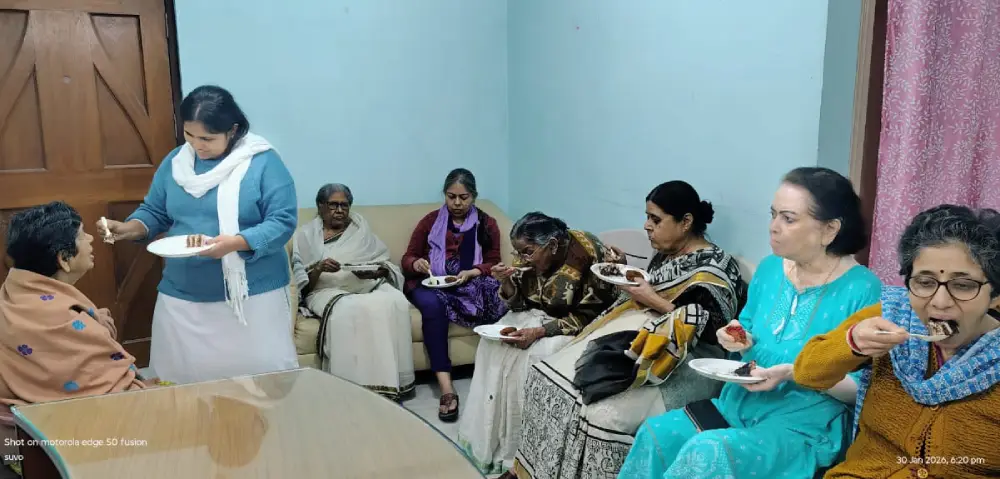
Ageing Parents Living Alone: Hidden Emotional Risks – 2026 Guide for Families
Published: May 2026 | Reading time: 7 minutes
When elderly parents live alone, families often focus on physical safety – falls, medication errors, home security. But beneath the surface, there are hidden emotional risks that can be just as damaging: chronic loneliness, undiagnosed depression, anxiety, loss of purpose, and even accelerated cognitive decline. Many seniors mask these struggles with pride or fear of “burdening” their children. This guide uncovers the subtle emotional dangers of ageing parents living alone and offers practical steps to protect their mental well‑being – while helping families recognise when professional care may be the kindest choice.
This is a general family guidance guide. If your loved one has dementia or Alzheimer’s and requires specialised residential memory care, please see our dedicated resource at the end.
1. The Silent Epidemic: Loneliness Is Not Just Sadness
Loneliness is not merely an emotion – it is a physiological stressor. Research shows chronic loneliness increases the risk of dementia by 40%, heart disease by 29%, and stroke by 32%. It is as harmful as smoking 15 cigarettes a day.
Hidden signs: Watching television for hours without recalling content. Staying in pyjamas all day. Eating alone, often skipping meals or eating poorly. Calling family multiple times daily, yet forgetting what was said.
Why it’s hidden: Seniors often hide loneliness to avoid “being a burden.” They may say “I’m fine” while slowly withdrawing.
2. Depression That Disguises Itself as “Old Age”
Depression in the elderly is frequently misdiagnosed or dismissed as a normal part of ageing. Unlike younger adults, seniors may not express sadness. Instead, they show:
- Apathy – Loss of interest in hobbies, visitors, or personal care.
- Irritability – Snapping at family, accusing others of neglect.
- Somatic complaints – Unexplained aches, fatigue, digestive issues.
- Memory complaints – “My mind is going” – which may be depression, not dementia.
Risk: Untreated depression worsens physical health, increases fall risk, and can lead to suicide (elderly men have the highest suicide rates in India).
What families can do: A simple screening question: “In the last month, have you felt down, depressed, or hopeless?” If yes, see a geriatric psychiatrist.
3. Loss of Purpose – “Why Get Out of Bed?”
When a spouse dies or children move away, seniors often lose their daily reason to wake up. Purpose is not a luxury; it is a psychological necessity. Without it, they:
- Sleep excessively or not enough.
- Neglect personal hygiene.
- Refuse social invitations.
- Stop eating balanced meals.
Hidden risk: Loss of purpose accelerates functional decline. A senior who used to garden may stop; then muscle weakness leads to falls; then hospitalisation.
What families can do: Create small, meaningful roles. “Dad, could you track the weather for our weekend trip?” “Mom, will you knit a scarf for the new baby?” Even small tasks restore a sense of usefulness.
4. Caregiver Guilt and Family Conflict – The Emotional Ripple Effect
Adult children internalise guilt when they cannot be present 24/7. This guilt often leads to:
- Over‑compensating – Buying expensive gifts or making unsustainable promises.
- Avoidance – Cutting back calls because every conversation ends with “Why don’t you visit more?”
- Sibling resentment – The child who lives nearby feels abandoned by siblings who live far away.
These dynamics strain the entire family, adding to the senior’s sense of being a “burden.”
What families can do: Set a schedule and stick to it – e.g., “I will call every Tuesday and Thursday at 7 PM.” Predictability reduces anxiety for both sides. Share responsibilities openly, using a shared digital calendar.
5. The Dementia Connection – Isolation as a Risk Factor
Social isolation is a major modifiable risk factor for dementia. Seniors who live alone and have limited social contact are more likely to develop cognitive decline. The mechanism: lack of mental stimulation and increased stress hormones.
Warning signs:
- Repeating the same question in a single call.
- Getting lost in familiar neighbourhoods.
- Forgetting to turn off the gas or lock the door.
Action: Do not dismiss these as “just age.” Seek a cognitive assessment. Early intervention can slow progression and plan for future care.
If your loved one shows signs of dementia and living alone is no longer safe, a specialised memory care facility provides 24/7 supervision and cognitive stimulation.
👉 Old age home in Kolkata for dementia care
6. Technology as a Bridge – But Not a Cure
Video calls, smart speakers, and medical alert devices can reduce isolation, but they cannot replace human touch. Seniors may use technology for weeks, then abandon it out of frustration or forgetfulness.
Hidden risk: Over‑reliance on technology without real visits can create “virtual neglect” – families feel connected, but the senior’s loneliness persists.
Better approach: Combine technology with in‑person visits (or paid companions). Use recorded video messages from grandchildren; they feel more personal than live calls.
7. How to Spot Hidden Emotional Risks – A Checklist for Families
During your visits (or video calls), look for:
- Unexplained weight loss or poor appetite.
- Neglected appearance (unwashed clothes, unkempt hair).
- No recent social outings (temples, clubs, friends).
- Excessive sleeping or difficulty sleeping.
- Refusal to answer calls or open the door.
- Stockpiling medications or missing refills.
- Expressions of hopelessness (“What’s the point?”).
If you see three or more, a professional mental health assessment is warranted.
8. When Living Alone Is No Longer Safe – The Emotional Cost of Waiting
Many families delay moving a parent to an assisted living or memory care facility because “they would hate it.” But waiting for a crisis – a fall, a wandering incident, severe malnutrition – causes more emotional trauma than a planned transition.
The hidden cost of waiting:
- The senior experiences a traumatic event (e.g., lying on the floor for hours).
- The family rushes into a poor facility choice.
- Guilt intensifies because the move was reactive, not proactive.
A planned move, with visits and trial stays, reduces resistance.
For families wondering if it’s time, a trial stay in a compassionate memory care home can reveal whether loneliness and fear are resolved by professional community living.
👉 Old age home in Kolkata for dementia care
9. Practical Steps to Reduce Hidden Emotional Risks
| Risk | Home-Based Solution | When Professional Care Is Better |
|---|---|---|
| Loneliness | Daily phone calls, pet, virtual volunteer visitor | Senior day care centre or assisted living |
| Depression | Regular doctor, therapy, medication | Geriatric psychiatry + residential care if severe |
| Loss of purpose | Small daily tasks (fold laundry, water plants) | Structured activities in memory care |
| Caregiver guilt | Share duties with siblings, paid companion | Respite care or full-time residential |
| Dementia | Memory aids, door alarms, meal delivery | Specialised memory care unit |
10. Final Message – Safety Is Emotional Too
Physical safety – call bells, grab rails, medication reminders – is essential. But emotional safety – feeling connected, valued, and not alone – is equally critical for a long, healthy life. Do not wait for a broken hip to rethink your parent’s living situation. Look for the hidden signs: withdrawal, apathy, hopelessness. Address them with the same urgency as a fall.
And when home care is no longer enough, know that a good residential facility provides not just medical backup, but built‑in companionship, purpose, and routine – often improving emotional health dramatically.
If your ageing parent shows signs of emotional distress and you are considering professional support, explore our Kolkata memory care home designed for dignity and connection.
👉 Old age home in Kolkata for dementia care
Remember: Loneliness and depression are not normal parts of ageing. They are treatable conditions. If you see the warning signs, act early – for your parent’s sake and your own peace of mind.
Frequently Asked Questions (FAQ) – Ageing Parents Living Alone
Weight loss, neglected appearance, no social contact, excessive sleeping, expressions of hopelessness. If you see several, seek a mental health assessment.
Chronic loneliness increases dementia risk by 40%. Isolation reduces mental stimulation and raises stress hormones, both harmful to the brain.
Schedule regular calls (same time daily), arrange a neighbour or volunteer to visit, consider a pet, and explore senior day care or a retirement community.
Yes – with counselling, medication, and social support. Never dismiss sadness as 'normal aging.' Seek a geriatric psychiatrist.
When home care fails to ensure safety (falls, wandering) or when loneliness/depression persists despite family efforts. A trial stay can help decide.
Final Advice – You Are Not Alone
Recognising the hidden emotional risks of ageing parents living alone is the first step. The second is taking action – whether that means hiring a companion, enrolling in a day centre, or making the courageous decision to move your parent to a memory care community. Your parent’s emotional well‑being matters as much as their physical safety. And you, as a caregiver, deserve support too.
For families seeking specialised memory care in Kolkata, we are here to help.
💛 Concerned About Your Ageing Parent Living Alone?
We offer emotional wellness assessments, caregiver support, and compassionate memory care in Kolkata. Contact us for a no‑obligation consultation.
Contact Shibasram Trust →