Ageing with Dignity Beyond Medical Care – 2026 Guide to Holistic Senior Well‑being
Published: May 2026 | Reading time: 7 minutes
When we think of ageing well, we often focus on medical care – managing blood pressure, treating arthritis, preventing falls. But true dignity in old age goes far beyond prescriptions and hospital visits. It is about feeling respected, maintaining autonomy, staying connected, and continuing to live a life of meaning. This guide explores the non‑medical pillars of dignified ageing – from social inclusion and financial security to mental stimulation and environmental design – and offers practical ways for families and communities to support them.
This is a general wellness guide. If your loved one has dementia or Alzheimer’s and requires specialised residential memory care, please see our dedicated resource at the end.
1. What Does “Dignity” Mean for an Older Person?
Dignity is not a vague concept – it is the everyday experience of being treated as a valued human being. For seniors, dignity includes:
- Being listened to – their opinions matter, even if they speak slowly or repeat themselves.
- Making choices – about meals, clothing, daily routines, and social activities.
- Privacy – the right to close a door, have personal space, and control access to their body.
- Respect for their life story – acknowledging their career, parenting, and contributions.
When these are absent, even the best medical care feels hollow. Dignity is not a reward for good health – it is a right.
2. Preserving Autonomy – “I Decide for Myself”
Loss of control is the single greatest threat to dignity. Seniors who are micromanaged – even with good intentions – feel infantilised.
What autonomy looks like: Choosing what time to wake up (not forced into a rigid schedule). Deciding what to wear, even if the colours clash. Managing their own money (with safeguards, not takeovers). Refusing a treatment or activity without being pressured.
What families can do: Offer choices: “Do you want tea or coffee?” “Walk now or after lunch?” Ask permission before helping: “May I help you button your shirt?” Never talk about them as if they are not in the room. Even for seniors with moderate dementia, preserving the ability to make small choices slows functional decline and preserves self‑respect.
3. Social Connection – The Antidote to Invisibility
Loneliness makes a person feel unseen. Dignity requires being seen and valued by others.
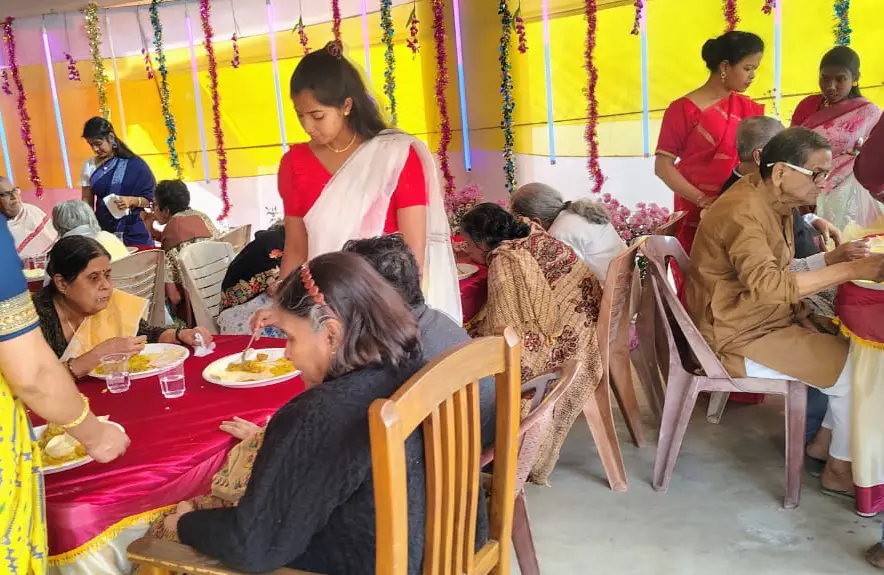
Key social supports: Regular visits from family (even short ones). Phone or video calls from grandchildren. Participation in community groups – senior centres, religious institutions, hobby clubs. Shared meals – eating alone is a hidden epidemic.
2026 insight: Many seniors report that a weekly phone call from a distant relative does more for their sense of dignity than a monthly doctor visit.
What families can do: Schedule predictable contact. If you cannot visit, ask a neighbour or volunteer to drop in. Consider adult day care for built‑in companionship.
4. Purpose and Contribution – “I Am Still Useful”
Retirement does not mean retirement from life. Seniors who engage in meaningful activities – even small ones – report higher self‑esteem and lower depression.
Examples of purpose: Mentoring a young person (grandchild, student, neighbour). Volunteering at a temple, library, or school. Gardening, cooking, or repairing items for others. Sharing life stories through writing or recording.
For seniors with dementia: Simplify tasks to ensure success – folding laundry, sorting buttons, watering a plant. The goal is not productivity; it is the feeling of contributing.
5. Living Environment – A Space That Says “You Matter”
A cluttered, dark, or institutional environment silently communicates neglect. Dignity requires a living space that is:
- Clean and well‑lit – natural light, no unpleasant odours.
- Personalised – family photos, favourite furniture, cherished objects.
- Functionally safe – grab rails, non‑slip floors, but without looking like a hospital.
- Respectful of privacy – locking bathroom doors, not barging in.
What families can do: Declutter, improve lighting, and bring familiar items from their previous home. In care facilities, look for homelike décor rather than clinical white walls.
6. Financial Security – Freedom from Constant Worry
An older person who worries about affording medicines, food, or rent cannot feel dignified. Financial stress erodes autonomy and forces humiliating decisions.
Supports for financial dignity: Government pensions and social security schemes (e.g., West Bengal’s Joy Bangla Pension). Senior‑friendly banking (large‑print statements, assistance at counters). Clear communication about costs in old age homes – no hidden fees or deposit traps.
What families can do: Help organise finances early. Ensure the senior understands their income and expenses. Advocate for transparent billing in any facility.
7. Addressing Loneliness and Depression – Emotional Health as Dignity
Mental health is often ignored in seniors, with sadness dismissed as “normal ageing.” Untreated depression robs a person of energy, hope, and the desire to engage – all of which are dignity‑destroying.
Signs of depression in seniors: Persistent sadness, loss of interest, weight loss, sleeplessness, talking about death.
What families can do: Watch for these signs. Encourage a doctor’s evaluation. Counselling and medication are highly effective. Never say “snap out of it.”
8. When Dignity Requires Professional Care – The Role of Residential Facilities
For many families, the time comes when caring for a loved one at home – especially with dementia or complex medical needs – becomes unsafe or unsustainable. In such cases, choosing a good residential facility is not a failure of dignity; it is an act of dignity.
A well‑run assisted living home or memory care unit:
- Preserves autonomy by offering choices (meals, activities, daily routines).
- Builds social connection through group activities and communal dining.
- Provides safety without paternalism – call bells, handrails, but not locked doors (except memory care).
- Respects privacy – private or semi‑private rooms, staff who knock before entering.
The key is to choose a facility that prioritises these non‑medical aspects, not just clinical care.
If your loved one has dementia or Alzheimer’s and requires specialised residential care that prioritises dignity, safety, and well‑being, please visit our dedicated memory care home in Kolkata:
👉 Old age home in Kolkata for dementia care
9. Frequently Asked Questions (FAQ) – Ageing with Dignity
Absolutely – if the facility respects residents’ choices, privacy, and social needs. Visit unannounced and observe how staff speak to residents.
Focus on what they can still do. Do not rush to take over tasks. Offer help, but wait for acceptance.
Talking about the senior as if they are not there. Always speak directly to the person, even if they have dementia.
Not if framed as “you supported me; now I am supporting you” rather than “you cannot manage.” Involve them in decisions about how the money is used.
Look for staff knocking before entering, residents wearing their own clothes (not uniforms), choice in meal times, and a warm, homelike atmosphere.
Yes – through gentle touch, familiar music, respect for their personal space, and not forcing them into situations that cause distress.
Listening. Take time to hear their stories, fears, and preferences. That act alone restores dignity.
Final Advice – Dignity Is a Daily Practice
Ageing with dignity does not require a perfect body or a sharp memory. It requires a community – family, friends, and professional caregivers – who consistently treat the older person as a valued individual. Start today: ask your parent one open‑ended question, listen without interrupting, and act on something they care about. That small gesture is the foundation of a dignified old age.
For families who need specialised memory care where dignity is woven into every aspect of daily life, explore our Kolkata facility:
👉 Old age home in Kolkata for dementia care
🏡 Help Your Loved One Age with Dignity – We Can Support You
Whether at home or in a memory care community, we prioritise autonomy, respect, and purposeful living. Contact us for a no‑obligation consultation.
Contact Shibasram Trust →