
How to Assess and Choose the Right Caregivers for Assisted Living Facilities
Selecting the right caregivers for assisted living facilities is one of the most critical decisions administrators and families can make. These professionals are the heart of any community, directly impacting resident well-being, safety, and quality of life. At Shibasram, we understand that this choice goes far beyond checking credentials; it’s about finding individuals with the perfect blend of skill, compassion, and character. This guide will provide a comprehensive framework for evaluating and hiring the best caregivers for assisted living facilities to ensure a nurturing and professional environment.
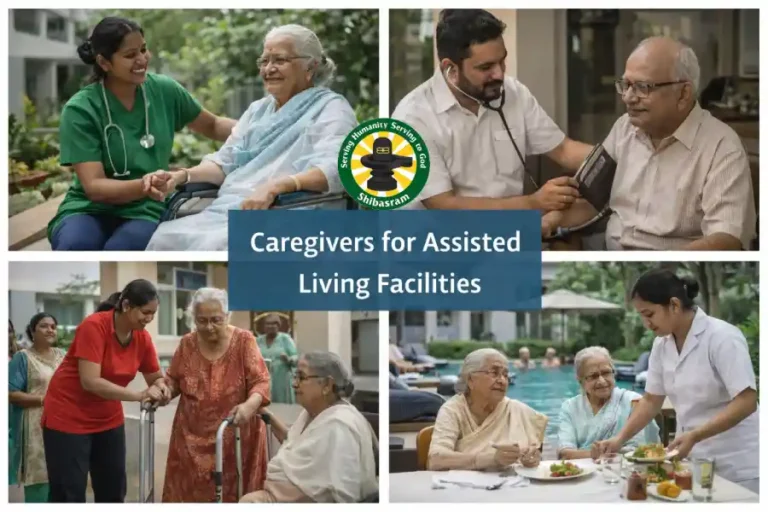
Understanding the Core Role and Responsibilities
Before beginning the assessment, it’s vital to define what makes an exceptional caregiver in this setting. The primary role extends beyond basic care tasks to include being a companion, advocate, and vigilant observer of a resident’s health. The right caregivers for assisted living facilities must seamlessly blend clinical competence with emotional intelligence. They are responsible for medication management, assisting with activities of daily living (ADLs), monitoring changes in condition, and, most importantly, fostering dignity and connection for residents.
The Essential Assessment Criteria for Hiring
1. Verification of Qualifications and Certifications
The foundational step is ensuring all mandatory qualifications are in place. This includes state-required certifications (such as Certified Nursing Assistant – CNA), valid CPR/First Aid training, and a clear background check. At Shibasram, we also verify licensing through official registries and require comprehensive health screenings.
2. Evaluating Experience and Specialized Expertise
Look for direct experience in senior care, dementia care, or with specific conditions common in your facility. However, experience alone isn’t enough. Probe into their hands-on expertise during interviews. Ask for specific examples of how they’ve managed challenging situations, like a fall risk or a resident with sundowning symptoms. Their answers reveal practical knowledge and problem-solving abilities.
3. Assessing Compassion and Personal Attributes
This is the non-negotiable core of caregiving. Observe candidates during interactions—even simulated ones. Do they speak with kindness and respect? Do they exhibit patience and empathy? The best caregivers for assisted living facilities demonstrate a genuine passion for serving the elderly, viewing them as individuals with rich histories, not just patients.
4. Testing Competency and Practical Skills
Move beyond theoretical questions. Conduct practical skill assessments. This could involve a scenario-based test on proper transfer techniques, infection control protocols, or medication pass procedures. This step is crucial for verifying that their claimed expertise translates into safe, competent practice.
5. Checking References Thoroughly
Always conduct detailed reference checks. Speak directly to former supervisors in similar settings. Inquire about the caregiver’s reliability, teamwork, attitude under stress, and how they formed relationships with residents. Red flags in references are a critical deterrent.
The Shibasram Philosophy: Integrating E-E-A-T into Our Hiring
At Shibasram, our hiring protocol is built upon Google’s E-E-A-T framework, ensuring we select caregivers who embody these principles:
Experience: We prioritize candidates with proven, hands-on experience in assisted living. We value diverse backgrounds that contribute to a rich care team.
Expertise: We assess both formal expertise (clinical knowledge, dementia training) and soft skills (communication, de-escalation techniques). Continuous education is a requirement for our staff.
Authoritativeness: We cultivate authoritativeness by empowering our caregivers with clear protocols, ongoing leadership support, and encouraging them to become subject-matter experts in areas like palliative care or mobility assistance.
Trustworthiness: Trustworthiness is paramount. We build this through rigorous vetting, transparent operations, and fostering a culture of accountability and ethical care. Families trust us because they see the consistency and integrity of our team.
The Interview Process: Key Questions to Ask
Structured interviews are essential. Include questions like:
“Describe a time you built a meaningful connection with a resistant resident.”
“How would you handle a situation where you suspect a colleague is not following care protocols?”
“What does promoting resident dignity mean to you in daily tasks?”
“Walk me through how you would respond to a sudden change in a resident’s vital signs.”
Their responses will illuminate their judgment, values, and on-the-job competence, helping you identify the most suitable caregivers for assisted living facilities.
Onboarding and Continuous Evaluation
Hiring is just the beginning. A robust orientation and continuous training program are vital. Pair new hires with seasoned mentors. Regularly evaluate performance through direct observation, resident and family feedback, and peer reviews. This ongoing commitment ensures your team remains among the highest-quality caregivers for assisted living facilities.
Conclusion
Choosing the right caregivers for assisted living facilities is a multifaceted process that balances hard skills with heart. It requires a diligent, thorough approach focused on qualifications, proven experience, and, above all, inherent compassion. By implementing a rigorous assessment strategy rooted in E-E-A-T principles—like the one practiced at Shibasram—you can build a care team that not only meets operational needs but truly enhances the lives of residents, providing families with the peace of mind they deserve. The investment in meticulous selection and nurturing of your caregivers is the ultimate investment in the quality and reputation of your facility.
FAQ: Choosing Caregivers for Assisted Living Facilities
1. What are the most important certifications to look for in a caregiver?
The essential certifications typically include a state-issued Certified Nursing Assistant (CNA) or Home Health Aide (HHA) license, current CPR and First Aid certification, and proof of cleared background checks. Additional training in dementia care, medication administration, or hospice care is a valuable bonus.
2. How can I assess a caregiver’s compassion during an interview?
Ask behavioral and scenario-based questions. Inquire about why they chose this profession. Present a hypothetical situation involving a distressed resident and listen to their proposed response. Observe their body language and tone when discussing elderly care. True compassion is often revealed in their specific, patient-centered examples.
3. Why is the E-E-A-T framework relevant to selecting caregivers?
E-E-A-T (Experience, Expertise, Authoritativeness, Trustworthiness) provides a holistic model for evaluation. It ensures you hire caregivers who not only have the right experience and clinical expertise but also the authoritative judgment to make sound decisions and the inherent trustworthiness that families rely on. This framework is central to the hiring philosophy at Shibasram.
4. How often should caregiver performance be evaluated after hiring?
Performance should be evaluated continuously. Formal reviews are typically conducted at 90 days, then annually. However, informal feedback, mentoring, and skill checks should be ongoing. Resident and family satisfaction surveys are also critical tools for assessing the consistent quality of care.
5. What are some red flags to watch out for during the hiring process?
Key red flags include: gaps in employment not satisfactorily explained, vague or defensive answers about past experiences, negative references from prior supervisors in senior care, a lack of specific examples when discussing care, and showing more interest in the schedule/pay than the resident population and care philosophy.

M.A.(Hons) in Geography at University of Calcutta.
writing-specific social work courses such as interviewing and documentation,
professional seminars, and writing modules in all BSW and MSW