
common health problems in old age solutions
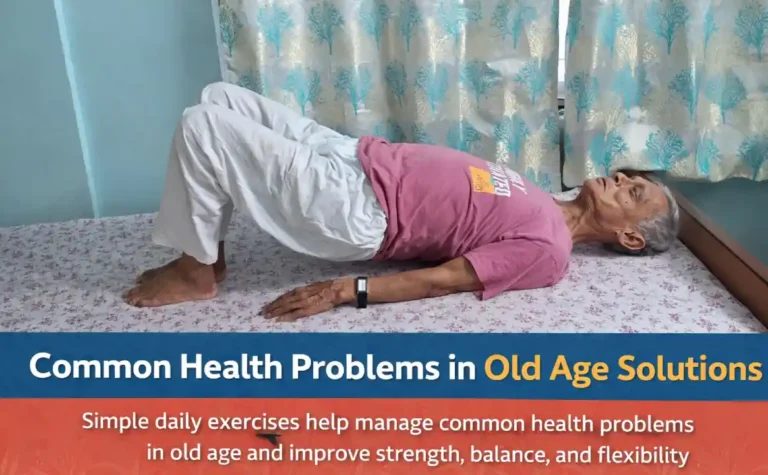
Aging is a natural biological process, but for many, it brings a complex set of physical and mental challenges.1 As we cross the threshold of 65, our bodies undergo significant physiological shifts—the heart pumps differently, bone density decreases, and the immune system becomes less agile.
However, “old age” does not have to mean a decline in quality of life. Modern geriatric medicine and proactive lifestyle interventions offer robust solutions to the most common ailments. This guide provides an expert-backed deep dive into the health problems faced by seniors and actionable, evidence-based solutions to manage them.3
1. Cardiovascular Health: Managing the Aging Heart
Heart disease remains the leading cause of mortality among older adults.4 As we age, the heart muscle may thicken, and arteries often stiffen (atherosclerosis), increasing the risk of hypertension, heart failure, and stroke.5
Common Issues
Hypertension (High Blood Pressure): Often called the “silent killer,” it affects over 60% of seniors.
Atrial Fibrillation (AFib): An irregular heart rhythm that significantly raises stroke risk.
Solutions & Management
The DASH Diet: Adopting the Dietary Approaches to Stop Hypertension (DASH) focuses on reducing sodium (salt) to under 2,300mg daily while increasing potassium and magnesium.
Consistent Monitoring: Invest in a high-quality home blood pressure monitor.6 Tracking daily averages helps doctors adjust medications more accurately than a single “white coat” reading in a clinic.
Aerobic Conditioning: Engaging in at least 150 minutes of moderate-intensity activity (like brisk walking or water aerobics) weekly keeps the heart muscle resilient.7
2. Bone and Joint Disorders: Mobility is Medicine
Arthritis and osteoporosis are the primary thieves of independence in old age. Joint pain leads to inactivity, which in turn weakens the muscles that support those joints.8
Common Issues
- Osteoarthritis: The wearing down of protective cartilage.9
- Osteoporosis: A systemic skeletal disorder characterized by low bone mass, making fractures—especially of the hip and spine—highly likely.
Solutions & Management
- Resistance Training: Weight-bearing exercises (lifting light weights or using resistance bands) stimulate bone-forming cells called osteoblasts.10
- Strategic Supplementation: Adequate intake of Calcium (11$1,200 \text{ mg/day}$) and Vitamin D (12$800\text{–}1,000 \text{ IU/day}$) is critical for bone density.13
- Anti-Inflammatory Nutrition: Incorporating Omega-3 fatty acids (found in walnuts and fatty fish) can naturally reduce the systemic inflammation associated with joint pain.
3. Cognitive Health: Protecting the Mind
Cognitive decline is one of the most feared aspects of aging. While some forgetfulness is normal, significant impairment like Alzheimer’s or other dementias requires specialized care.14
Common Issues
Dementia: A decline in mental ability severe enough to interfere with daily life.
Mild Cognitive Impairment (MCI): A stage between normal aging and dementia.
Solutions & Management
The “MIND” Diet: A hybrid of Mediterranean and DASH diets specifically designed to boost brain health. It emphasizes berries, leafy greens, and nuts.
Cognitive Reserves: Treat the brain like a muscle. Learning a new language, playing an instrument, or even complex social engagement builds “cognitive reserve,” which can delay the onset of symptoms.15
Vascular Management: What is good for the heart is good for the brain. Managing blood pressure and cholesterol reduces the risk of vascular dementia.
4. Metabolic Health: The Diabetes Challenge
Type 2 diabetes affects nearly 30% of seniors.16 Aging often decreases insulin sensitivity, making glucose management more difficult.
Common Issues
Insulin Resistance: The body’s cells don’t respond well to insulin.
Peripheral Neuropathy: Nerve damage caused by high blood sugar, often leading to foot ulcers.
Solutions & Management
Glycemic Control: Focus on complex carbohydrates and fiber to prevent “spikes” in blood glucose.
Regular Podiatry: Seniors with diabetes should inspect their feet daily. Small cuts can lead to serious infections due to poor circulation.
Sarcopenia Prevention: Maintaining muscle mass through protein intake (17$1.0\text{–}1.2 \text{ g/kg body weight}$) helps the body process glucose more efficiently.18
5. Sensory Impairment and Falls: The Safety Gap
Loss of vision and hearing isn’t just an inconvenience; it is a major contributor to social isolation and physical injury.
Common Issues
Presbycusis: Gradual age-related hearing loss.1
Cataracts and Glaucoma: Leading causes of vision loss.
Fall Risk: One in four seniors falls each year, often due to balance issues or environmental hazards.
Solutions & Management
Hearing Aids: Modern digital hearing aids reduce cognitive load, as the brain no longer has to “strain” to interpret sounds.
The STEADI Protocol: The CDC’s “Stopping Elderly Accidents, Deaths & Injuries” (STEADI) tool helps identify risks.20 Simple home modifications—like removing throw rugs and installing grab bars—save lives.21
Balance Training: Tai Chi has been clinically proven to improve “proprioception” (the body’s ability to sense its position) and reduce fall risk by nearly 50%.
6. Mental Health: Combating the “Invisible” Epidemic
Depression is not a normal part of aging. However, life transitions—like retirement, loss of a spouse, or chronic illness—can trigger significant mental health struggles.
Common Issues
Late-Life Depression: Often manifests as fatigue or “pseudo-dementia” (memory loss caused by mood rather than brain disease).
Social Isolation: A health risk factor as dangerous as smoking 15 cigarettes a day.
Solutions & Management
Intergenerational Connection: Volunteering or spending time with younger generations provides a sense of purpose (Generativity).
Professional Counseling: Cognitive Behavioral Therapy (CBT) is highly effective for seniors dealing with grief or transition.
Pet Therapy: Owning a pet can lower cortisol levels and provide companionship that reduces feelings of loneliness.
The “E-E-A-T” Summary Table: Elderly Wellness at a Glance
| Health Area | Key Problem | Core Solution | Pro-Tip |
| Heart | Hypertension | DASH Diet & Aerobic Exercise | Monitor BP at home daily. |
| Bones | Osteoporosis | Resistance Training + Vit D | Avoid heavy impact; focus on strength. |
| Brain | Cognitive Decline | Socializing & New Hobbies | The “MIND” diet is a brain-saver. |
| Metabolism | Diabetes | Fiber-rich diet & Foot care | Check feet every single night. |
| Safety22 | Falls23 | Tai Chi & Home Lighting24 | Remove all loose rugs immediately.25 |
Conclusion: A Proactive Approach to Longevity
Health in old age is rarely the result of “good genes” alone. It is a calculated accumulation of small, daily choices. By prioritizing movement, monitoring metabolic markers, and staying socially active, the “Golden Years” can truly be a time of flourishing rather than just “managing.”
The most critical factor in geriatric health is Early Detection. Do not wait for a symptom to become a disability. Regular screenings for bone density, vision, and heart health are the cornerstones of a long, independent life.
Frequently Asked Questions
1. What are the most common health problems in old age solutions for maintaining independence?
The primary challenge to independence in seniors is the “fragility cycle” caused by sarcopenia (muscle loss) and osteoarthritis. The most effective common health problems in old age solutions for this involve a combination of progressive resistance training and high-quality protein intake ($1.2 \text{ g/kg body weight}$). By strengthening the quadriceps and core, seniors can improve balance, reduce joint load, and prevent the need for assisted living.
2. Are there specific common health problems in old age solutions for sudden memory loss?
Sudden memory loss is often not dementia but may stem from reversible conditions like Vitamin B12 deficiency, dehydration, or Urinary Tract Infections (UTIs), which manifest differently in the elderly. Expert-backed common health problems in old age solutions prioritize a “Geriatric Metabolic Panel” to rule out these triggers. If cognitive decline is gradual, the MIND diet and social “neuro-bics” (complex social interactions) are the gold standards for slowing progression.
3. How does heart health relate to other common health problems in old age solutions?
Cardiovascular health is the “master key” to aging. Poor circulation exacerbates everything from kidney function to wound healing. Comprehensive common health problems in old age solutions focus on vascular elasticity. Adopting the DASH protocol—which emphasizes potassium-rich foods and restricts sodium—not only protects the heart but also reduces the risk of vascular dementia and late-life vision loss caused by hypertensive retinopathy.
4. What are the best common health problems in old age solutions for chronic joint pain?
Many seniors mistakenly believe that rest is the cure for joint pain; however, “motion is lotion.”1 The leading common health problems in old age solutions for chronic pain include low-impact hydrotherapy and the use of anti-inflammatory spices like turmeric (curcumin) paired with black pepper for absorption. These natural interventions often reduce the reliance on NSAIDs, which can be harsh on aging kidneys.
5. Can lifestyle changes provide common health problems in old age solutions for insomnia?
Sleep architecture changes with age, leading to lighter sleep and frequent awakenings. Effective common health problems in old age solutions for sleep focus on “Circadian Resetting.” This involves getting 15 minutes of direct sunlight before 10:00 AM to regulate melatonin production and strictly avoiding blue light from screens two hours before bed. This natural approach is significantly safer than sedative medications, which increase the risk of nighttime falls.
Finding a peaceful old age home in Kolkata requires balancing medical access with a serene environment. For many seniors, staying near the city’s top-tier hospitals like Apollo or AMRI is a priority, but the noise of urban life can be taxing.
M.A.(Hons) in Geography at University of Calcutta.
writing-specific social work courses such as interviewing and documentation,
professional seminars, and writing modules in all BSW and MSW