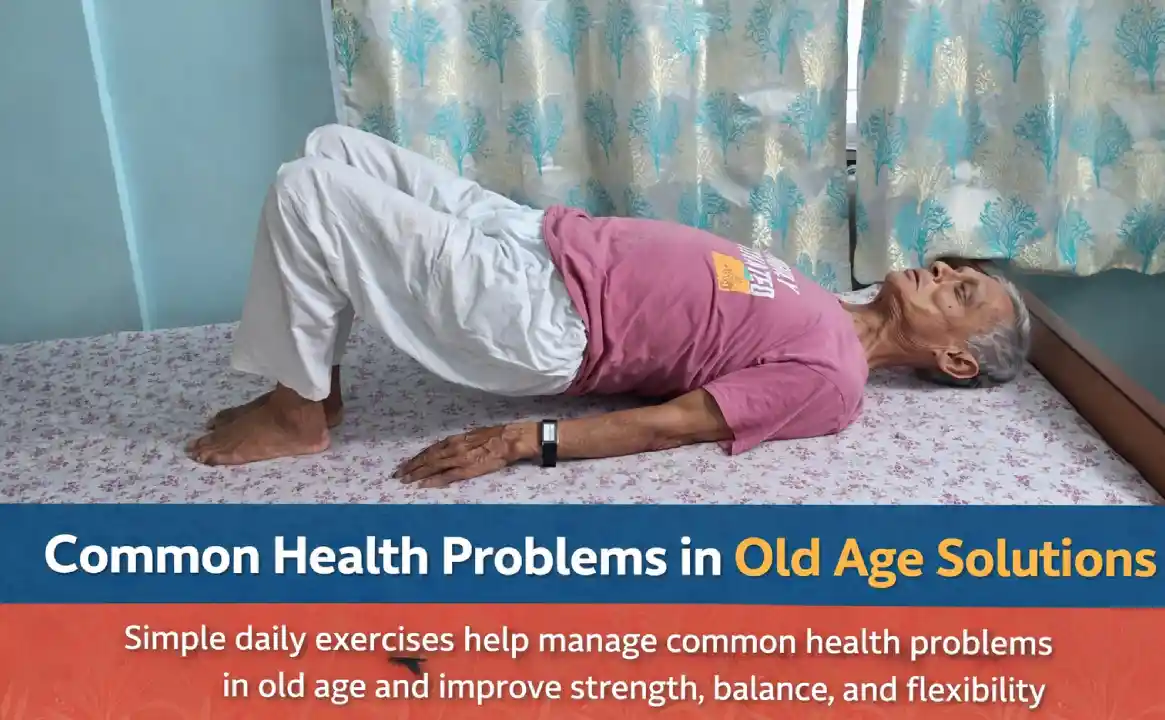
Common Health Problems in Old Age and Practical Solutions – 2026 Guide
Published: May 2026 | Reading time: 8 minutes
Aging brings wisdom, experience, and often a set of health challenges. While some decline is natural, many common health problems in old age can be managed – or even prevented – with the right knowledge and lifestyle adjustments. This guide covers the most frequent physical and mental health issues affecting seniors and provides practical, evidence‑based solutions for each.
This is a general health information guide. If your loved one has dementia or Alzheimer’s and requires specialised memory care, please see our dedicated resource at the end.
1. High Blood Pressure (Hypertension)
Why it’s common: Arteries stiffen with age; long‑term diet and lifestyle factors accumulate.
Solutions:
- Reduce salt – Avoid pickles, papad, processed foods, and excess table salt. Use herbs, lemon, or spice blends instead.
- Daily walking – 30 minutes a day (even broken into 10‑minute sessions) lowers BP significantly.
- Medication adherence – Never skip doses. Use a pill organizer and phone alarms.
- Home monitoring – Keep a BP machine. Measure at the same time each day and log readings.
- Limit alcohol and caffeine – Both can spike blood pressure.
When to see a doctor: BP consistently >140/90 despite lifestyle changes, or sudden severe headaches, vision changes, or nosebleeds.
2. Type 2 Diabetes
Why it’s common: Insulin resistance increases with age; sedentary lifestyles and poor diet compound the problem.
Solutions:
- Carbohydrate control – Replace white rice with brown rice, millet, or quinoa. Limit sugar, sweets, and sugary drinks.
- Eat small, frequent meals – Prevents blood sugar spikes and crashes.
- Daily movement – even 15 minutes of post‑meal walking lowers blood sugar.
- Monitor regularly – Use a glucometer; track fasting and post‑prandial levels.
- Foot care – Check feet daily for cuts or blisters. Diabetic foot ulcers are a major cause of hospitalisation.
When to see a doctor: Blood sugar consistently above target, unexplained weight loss, frequent infections, or numbness in feet.
3. Arthritis (Joint Pain and Stiffness)
Why it’s common: Cartilage wears down over time (osteoarthritis). Rheumatoid arthritis also appears in older adults.
Solutions:
- Low‑impact exercise – Walking, swimming, chair yoga. Strengthens muscles around joints.
- Hot and cold therapy – Warm towel or heating pad for stiffness; ice pack for acute pain.
- Weight management – Every extra kg puts pressure on knees and hips.
- Use assistive devices – Cane, walker, jar openers, reachers – reduces joint strain.
- Topical pain relievers – Gels containing diclofenac or capsaicin (after doctor’s approval).
When to see a doctor: Joint swelling, redness, or inability to move a joint; pain that wakes you at night.
4. Osteoporosis and Fracture Risk
Why it’s common: Bone density declines after menopause and with age, especially if calcium/vitamin D intake is low.
Solutions:
- Calcium‑rich foods – Milk, curd, paneer, leafy greens (spinach, mustard greens), ragi, sesame seeds.
- Vitamin D – Sunlight exposure (15 minutes daily before 10 AM). Supplement if deficient (doctor’s advice).
- Weight‑bearing exercise – Walking, climbing stairs, standing leg lifts – signals bones to rebuild.
- Fall prevention – Remove home hazards, install grab rails, wear non‑slip footwear.
- Medication – Bisphosphonates or other bone‑strengthening drugs prescribed by a doctor.
When to see a doctor: Loss of height, sudden back pain, or a fracture from a minor fall.
5. Dementia and Memory Loss
Why it’s common: Age is the biggest risk factor for Alzheimer’s and other dementias. Genetics and vascular health also play roles.
Solutions:
- Mental stimulation – Puzzles, reading, learning a new skill, playing a musical instrument.
- Physical activity – Increases blood flow to the brain and reduces inflammation.
- Social engagement – Loneliness accelerates cognitive decline. Regular interaction with family or friends is protective.
- Healthy diet – Mediterranean/MIND diet (leafy greens, berries, fish, nuts) may delay onset.
- Manage vascular risk factors – Control BP, diabetes, and cholesterol.
Important: Early diagnosis allows time for planning and access to therapies that slow progression. If memory loss interferes with daily life (forgetting to eat, getting lost, repeating questions), consult a geriatrician or neurologist.
If your loved one has been diagnosed with dementia or Alzheimer’s and requires specialised memory care, a general home environment may not be safe. Professional memory care units offer secured spaces, behavioural support, and structured activities.
👉 Old age home in Kolkata for dementia care – comprehensive memory care facility.
6. Depression and Anxiety
Why it’s common: Loss of spouse, friends, independence, or physical health; chronic pain; loneliness.
Solutions:
- Talk therapy – Counselling or cognitive behavioural therapy (CBT) reduces symptoms.
- Medication – Antidepressants (SSRIs) are effective and safe in older adults.
- Regular social contact – Phone calls, video chats, senior centre visits.
- Meaningful activities – Volunteering, hobbies, gardening, or pet care.
- Exercise – Releases endorphins; improves mood even with gentle walking.
Red flags: Persistent sadness, loss of interest in previously enjoyed activities, sleeping too much or too little, talking about death. Do not dismiss as “normal aging.” Treatment works.
7. Frequent Falls
Why it’s common: Muscle weakness, poor balance, vision problems, medication side effects (e.g., blood pressure drugs), home hazards.
Solutions:
- Strength and balance training – Chair stands, heel‑to‑toe walking, tai chi.
- Vision check – Annual eye exam. Update glasses prescription.
- Review medications – Ask doctor if any drugs cause dizziness or low BP.
- Home modifications – Remove rugs, install handrails, add night lights.
- Proper footwear – Non‑slip soles; avoid walking in socks or loose slippers.
When to worry: Two or more falls in six months, or a fall that caused injury – requires medical evaluation.
8. Malnutrition and Unintentional Weight Loss
Why it’s common: Poor dentition, loss of taste/smell, difficulty cooking, depression, or underlying illness.
Solutions:
- Frequent small meals – Easier than three large meals.
- Nutrient‑dense foods – Eggs, peanut butter, full‑fat milk, lentils, bananas.
- Oral nutritional supplements – Commercial drinks (e.g., Ensure, Resource) if recommended by doctor.
- Dental care – Dentures that fit; treat mouth sores or infections.
- Social eating – Sharing meals with family or friends improves intake.
When to see a doctor: Weight loss of 5% or more over 6 months, or clothes becoming loose unexpectedly.
9. Urinary Incontinence
Why it’s common: Weak pelvic floor muscles, prostate enlargement (men), vaginal tissue changes (women), certain medications.
Solutions:
- Pelvic floor exercises (Kegels) – Squeeze and release the muscles used to stop urine flow. Do 3 sets of 10 daily.
- Bladder training – Gradually increase time between bathroom visits.
- Reduce bladder irritants – Caffeine, alcohol, acidic fruits, artificial sweeteners.
- Medication review – Some diuretics or sedatives worsen incontinence.
- Absorbent products – Pads or adult diapers for dignity while treatment takes effect.
When to see a doctor: Sudden onset, blood in urine, or associated back pain – may indicate infection or other condition.
10. Sleep Problems
Why it’s common: Changes in circadian rhythm, chronic pain, frequent urination at night, medication side effects.
Solutions:
- Consistent bedtime and wake time – Even on weekends.
- Limit daytime naps – To 30 minutes, before 3 PM.
- Evening routine – Dim lights, avoid screens 1 hour before bed.
- Comfort – Use pillows to support painful joints; treat sleep apnea if suspected.
- Avoid caffeine and alcohol – Especially after 4 PM.
When to see a doctor: Snoring with breathing pauses (sleep apnea), restless legs, or insomnia that lasts more than a month.
Final Advice – Prevention Is Better Than Cure
Many age‑related health problems can be managed or delayed with proactive lifestyle choices: good nutrition, regular movement, social connection, and routine medical checkups. As a family member, your support – helping with medication reminders, safe home modifications, and emotional encouragement – makes a tremendous difference.
And when a health problem becomes too complex for home management – especially dementia or mobility decline that makes living alone unsafe – professional care facilities provide the safety, nursing, and specialised support that families alone cannot offer.
If your loved one has been diagnosed with dementia or Alzheimer’s, specialised memory care can slow decline and ensure safety. Learn more about our dedicated facility:
👉 Old age home in Kolkata for dementia care
Frequently Asked Questions (FAQ) – Common Health Problems in Old Age
Hypertension (high blood pressure) is the most common, affecting over 60% of Indian seniors. Diabetes, arthritis, and dementia follow closely.
While not entirely preventable, lifestyle measures – physical activity, mental stimulation, social engagement, and managing BP/diabetes – can significantly delay onset or slow progression.
Low‑impact activities like walking, swimming, chair yoga, and tai chi. Stretching and strengthening muscles around joints also help.
When the senior has advanced dementia with wandering/aggression, is bedridden, has frequent falls or hospitalisations despite home care, or when family caregivers experience burnout.
Use a weekly pill organizer, set phone alarms, synchronise refills, and review the medication list with their doctor annually to remove unnecessary drugs.
🏡 Need Professional Elderly Care or Memory Support?
If managing health conditions at home becomes overwhelming, we offer compassionate, medically equipped residential care – including specialised dementia units.
Contact Shibasram Trust →