Financial Planning for Senior Living in Kolkata – 2026 Complete Guide
Published: May 2026 | Reading time: 8 minutes
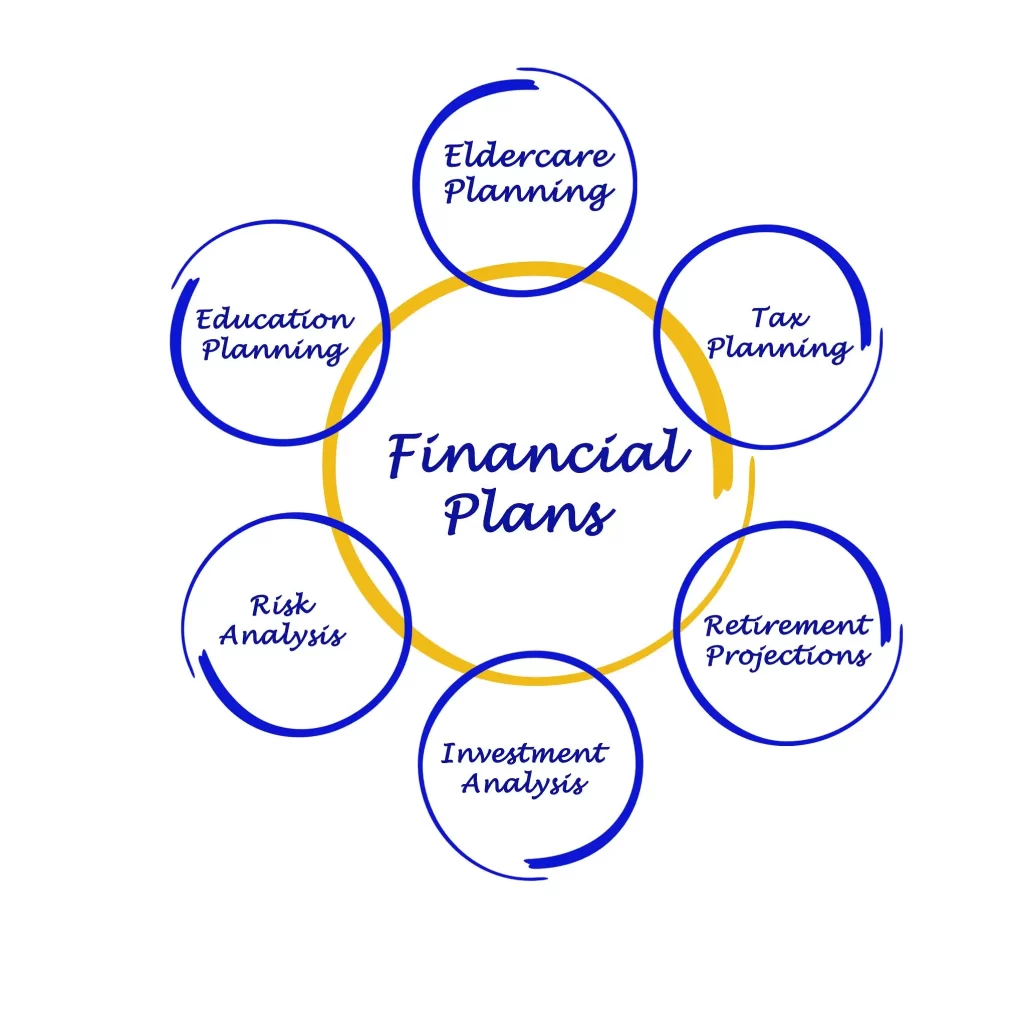
Choosing a senior living arrangement – whether independent living, assisted living, or a nursing home – is not just an emotional decision; it is a major financial commitment. Without proper planning, families face deposit disputes, unexpected fees, or the nightmare of running out of money mid‑stay. This guide covers everything you need to know about financial planning for senior living in Kolkata (2026), including costs, deposit structures, hidden charges, payment options, and government schemes.
This is a financial planning guide. If your loved one has dementia or Alzheimer’s and requires specialised memory care, please see our dedicated resource at the end.
1. Understanding the Cost Components of Senior Living
Most senior living facilities in Kolkata have three main cost components:
| Component | What It Is | Typical Range (2026) |
|---|---|---|
| Refundable deposit | One-time payment, returned when the resident leaves (minus any damages). | ₹25,000 – ₹40 lakhs (depending on luxury level) |
| Monthly care fee | Recurring charge for room, meals, housekeeping, nursing, and activities. | ₹12,000 – ₹85,000+ |
| One-time admission fee | Administrative charge (sometimes includes medical assessment and registration). | ₹5,000 – ₹50,000 |
Important: Always ask for a written breakdown before signing. Verbal promises are worthless.
2. Typical Monthly Costs by Type of Facility (Kolkata 2026)
| Type of Senior Living | Monthly Fee Range | Refundable Deposit | Extra Charges Often Not Included |
|---|---|---|---|
| Independent living (basic) | 18,000 – 30,000 | 2 – 8 lakhs | AC electricity, laundry beyond limit, special diet |
| Independent living (premium) | 35,000 – 60,000 | 8 – 20 lakhs | Transport, personal care if needed |
| Assisted living | 30,000 – 55,000 | 3 – 10 lakhs | Physiotherapy, incontinence supplies |
| Skilled nursing home | 40,000 – 80,000 | 2 – 8 lakhs | Specialist doctor visits, medicines |
| Dementia / memory care | 55,000 – 85,000+ | 5 – 15 lakhs | Behavioural therapy, specialised activities |
| Home care (part-time) | 8,000 – 15,000 | None | Nursing visits (extra) |
| Home care (live-in 24/7) | 25,000 – 40,000 | None or ₹10,000 | Medical supplies |
3. Hidden Charges – What Families Often Miss
Even after agreeing on a monthly fee, families are surprised by extras. Always ask for a written list:
- AC electricity – ₹2,000 – 5,000/month extra if not included.
- Laundry beyond free limit – ₹5‑10 per extra piece.
- Special diet (Jain, soft/pureed, diabetic) – ₹1,000 – 2,000/month.
- Escort to doctor – ₹500 – 1,000 per trip.
- Physiotherapy sessions – ₹500 – 800 each.
- Incontinence supplies (diapers) – ₹1,500 – 3,000/month (buy your own cheaper online).
- Ambulance call – Some homes charge for the call‑out, even if not used.
Pro tip: Get a “sample monthly invoice” of a current resident. That reveals real costs.
4. Refundable Deposits – What You Must Know
Deposits range from ₹25,000 in basic homes to ₹40 lakhs in luxury retirement communities. Key questions:
- Is the deposit 100% refundable? Some homes keep 40‑60% as “donation” or “welfare fund.”
- What is the refund timeline? 30‑60 days is fair; more than 90 days is a red flag.
- Are deductions allowed for “painting” or “wear and tear”? Get a move‑in inspection checklist signed.
- Does the deposit earn interest? Rarely, but ask.
Example – Mid‑range home: ₹3 lakh deposit, 100% refundable within 45 days after vacating, provided no damage to room.
Example – Premium home: ₹20 lakh deposit, fully refundable, no deductions, but requires 6 months’ notice.
5. How to Budget for Senior Living – A Step‑by‑Step Plan
- Calculate the monthly expense gap – List your parent’s current monthly pension and other income (rent, interest). Subtract their current living expenses. The gap is what you need from savings or family support.
- Estimate the annual increase – Most facilities raise fees by 5‑10% every year. Factor this into your 5‑year projection.
- Set aside a medical emergency fund – At least ₹2‑5 lakhs separate from the deposit. Hospitalisations are common.
- Plan for deposit liquidity – The refundable deposit is not spent – but it is locked. Do not use it for other needs. Ensure you have other savings for emergencies.
- Consider a trial period – Many homes offer paid trials (1‑2 weeks). Use it to verify if the facility suits your parent before committing a large deposit.
6. Payment Options and Senior‑Friendly Schemes (India 2026)
| Scheme / Option | Benefit | Suitable For |
|---|---|---|
| Senior Citizen Savings Scheme (SCSS) | 8.2% interest, quarterly payout, 5-year lock-in | Funding monthly fees from interest |
| Pradhan Mantri Vaya Vandana Yojana (PMVVY) | 7.4% guaranteed return, 10-year term | Steady monthly income via LIC |
| Reverse Mortgage | Monthly payment against your house; bank owns house after death. | Homeowners with no other assets |
| Rental income from family home | If the senior moves to a facility, renting out their house can cover fees. | Families who own property |
| Health insurance (senior plans) | Some policies cover skilled nursing or home care if prescribed. | Unexpected medical costs, not regular monthly fees |
| Family support | Siblings contribute a fixed monthly amount. | Most common – formal agreements help avoid disputes |
7. Cost Comparison Example – Two Realistic Scenarios
Scenario A – Mid‑Range Assisted Living (Private Non‑AC Room)
- Monthly care fee: ₹35,000
- Medicines (out‑of‑pocket after insurance): ₹2,000
- Special diet (diabetic): ₹1,500
- Laundry beyond limit: ₹500
- Personal expenses (phone, snacks): ₹2,000
- Total monthly: ₹41,000
- Required refundable deposit: ₹5 lakhs (full refundable).
Scenario B – Premium Dementia Care (Private AC Room)
- Monthly care fee: ₹70,000
- Medicines: ₹3,000
- Physiotherapy (4 sessions): ₹3,200
- Incontinence supplies: ₹2,500
- Personal expenses: ₹2,000
- Total monthly: ₹80,700
- Required refundable deposit: ₹12 lakhs (100% refundable).
8. Government and Charitable Support in West Bengal
- West Bengal Old Age Pension – ₹1,000‑2,000/month for destitute seniors (apply at local block office). Not enough for facility fees, but helps.
- Charitable trusts – Some homes (e.g., Anandam, Little Sisters of the Poor) offer highly subsidised stays (₹5,000‑10,000/month). Long waiting lists.
- Tax benefits – Under Section 80DDB, deduction for medical treatment of specified diseases (including dementia) up to ₹1 lakh (senior) or ₹1.5 lakh (very senior). Also, Section 80C for SCSS/PMVVY investments.
9. Frequently Asked Questions (FAQ) – Financial Planning
For a mid‑range assisted living (₹35,000/month), you need a corpus of approximately ₹50‑60 lakhs invested at 7% interest to generate the monthly fee plus inflation. If you have a pension, the required corpus is lower.
Yes – some charitable homes treat the deposit as a “donation” (non‑refundable). Always ask for the refund policy in writing. Avoid homes that refuse to state it clearly.
Many senior pensions are ₹15,000‑25,000/month. That often covers basic independent living but not assisted living or dementia care. Additional savings or family support is usually needed.
Your deposit should be protected by law, but recovery can be difficult. Choose established homes (running for 5+ years) with an escrow account for deposits. Read the agreement’s clause on closure.
No – health insurance covers hospitalisation, not long‑term care. A few senior plans cover home nursing, but not room and board.
Renting provides recurring income but requires management. Selling gives a lump sum but loses the asset. Consult a financial advisor.
Put a written agreement: each sibling’s contribution amount, timeline, and fallback plan if someone defaults. Revisit annually.
10. Final Advice – Plan Early, Visit Transparent Homes
Financial planning for senior living is not just about finding the cheapest option. A slightly more expensive home with 100% deposit refund, predictable annual increases, and no hidden charges can actually be cheaper in the long run than a “low‑fee” home that sneakily adds extras.
Action steps for families:
- Start planning at least 2‑3 years before the anticipated move.
- Visit at least three facilities and ask for a sample monthly invoice.
- Run a 5‑year projection including annual fee hikes.
- Keep 6‑12 months of fees in a liquid account (not fixed deposit) for emergencies.
If your loved one has dementia or Alzheimer’s, prioritise safety over cost. Specialised memory care costs more, but prevents wandering, injuries, and caregiver burnout – saving money and grief in the long term.
For families who need specialised dementia care in Kolkata, please visit our dedicated facility:
👉 Old age home in Kolkata for dementia care
💰 Need Help with Financial Planning for Senior Living?
We offer transparent fee structures, deposit guidance, and compassionate dementia care. Contact us for a no‑obligation consultation.
Contact Shibasram Trust →