
Daily Life Guidance for Senior Citizens
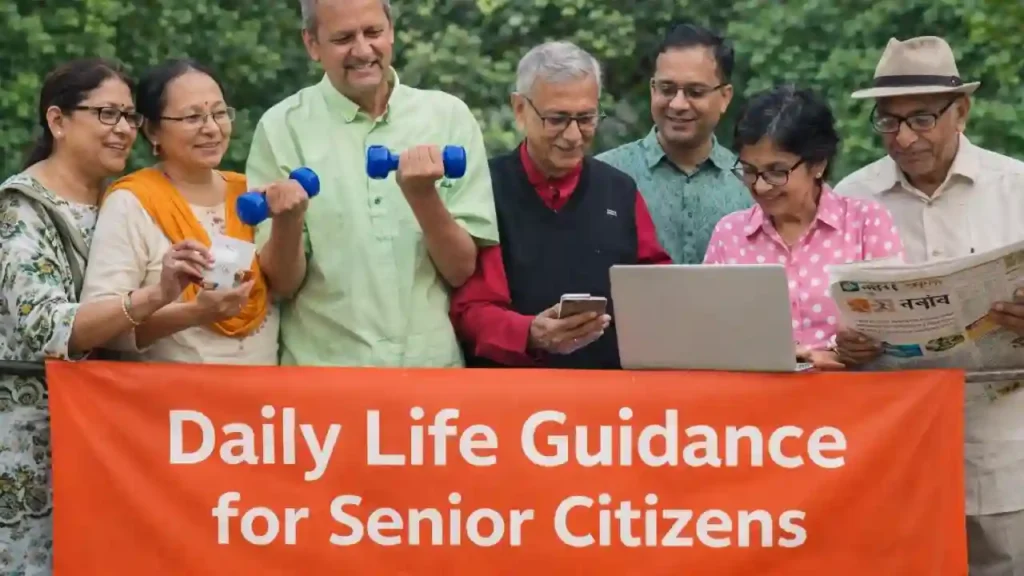
Comprehensive Daily Life Guidance for Senior Citizens: Flourishing in Your Golden Years
Aging is not a process of “slowing down” but rather an evolution into a new phase of life. For many seniors, the transition into retirement or the later stages of life can feel daunting due to health changes or social shifts. However, with the right strategies, these years can be the most rewarding and peaceful. This guide provides actionable, expert-backed advice on navigating daily life with grace, health, and vitality.
Practical daily life guidance for senior citizens to stay healthy, active, safe, and emotionally strong. Simple tips for everyday senior living.
This guide offers practical daily life guidance for senior citizens, focusing on simple habits that improve comfort, safety, and overall happiness. These suggestions are easy to follow, realistic, and designed to fit everyday senior living—whether at home or in a care community.
Understanding the Daily Needs of Senior Citizens
As people age, their bodies and minds change gradually. Energy levels may reduce, mobility may slow down, and emotional needs may become more sensitive. Seniors often need a structured yet flexible daily routine that supports their independence while ensuring safety and well-being.
Daily Life Guidance for Senior Citizens should consider:
Physical comfort and mobility
Mental and emotional stability
Proper nutrition and rest
Social connection and purpose in life
A well-planned daily routine gives seniors a sense of control and predictability, which is essential for their overall happiness.
Emotional health is equally important. Seniors feel more confident and secure when they remain connected to family, friends, and familiar activities. Listening to music, reading, gardening, or spending quiet moments in reflection can bring comfort and joy. This is where Daily Life Guidance for Senior Citizens becomes truly meaningful—it focuses not on control, but on gentle support that respects personal choices and lifestyle preferences.
1. Prioritizing Nutritional Excellence
As the body matures, its nutritional requirements shift. Metabolism slows down, meaning every calorie consumed must be packed with nutrients.
Embrace Lean Proteins: To combat muscle loss (sarcopenia), incorporate lean meats, fish, beans, and Greek yogurt into your meals.
Focus on Bone Health: Calcium and Vitamin D are non-negotiable. Leafy greens, fortified cereals, and moderate sun exposure help maintain bone density and prevent fractures.
Hydration is Key: Seniors often lose their sense of thirst. Make it a habit to drink at least 8 glasses of water daily to maintain kidney function and cognitive clarity.
Fiber for Digestion: Whole grains and colorful vegetables prevent constipation and help regulate blood sugar levels.
2. Physical Activity: Movement as Medicine
Exercise is the closest thing we have to a “fountain of youth.” You don’t need to run marathons; consistency is more important than intensity.
Low-Impact Aerobics: Activities like brisk walking, swimming, or water aerobics strengthen the heart without straining the joints.
Strength Training: Using light weights or resistance bands twice a week helps maintain the functional strength needed for daily tasks like carrying groceries.
Flexibility and Balance: Practice Tai Chi or Yoga. These disciplines are world-renowned for reducing the risk of falls—the leading cause of injury among seniors—by improving core stability.
3. Mental Agility and Brain Health
A healthy body needs a sharp mind. Cognitive decline is not an inevitable part of aging if you keep your brain challenged.
Lifelong Learning: Pick up a new hobby such as painting, playing a musical instrument, or learning a digital skill. This creates new neural pathways.
Puzzles and Games: Engage in Sudoku, crosswords, or strategic card games. These activities stimulate problem-solving areas of the brain.
Mindfulness and Meditation: Daily meditation reduces cortisol (the stress hormone), which can improve memory retention and emotional regulation.
4. The Power of Social Connectivity
Isolation is a significant health risk for the elderly, often linked to depression and heart disease.
Community Involvement: Join local senior centers, book clubs, or volunteer organizations. Helping others provides a profound sense of purpose.
Intergenerational Bonding: Spend time with grandchildren or younger relatives. Their energy is infectious, and sharing your wisdom creates a legacy.
Embracing Technology: Don’t let the digital divide isolate you. Use video calls and social media to stay connected with family members who live far away.
5. Creating a “Forever Home”: Safety and Comfort
Your living environment should support your independence, not hinder it. Small modifications can prevent major accidents.
Lighting Enhancements: Ensure all hallways, stairs, and entryways are brightly lit. Use motion-sensor nightlights in bathrooms.
Bathroom Safety: Install grab bars in the shower and near the toilet. Use non-slip mats to prevent falls on wet surfaces.
Decluttering: Keep floors clear of rugs, electrical cords, and unnecessary furniture that could act as trip hazards.
6. Proactive Healthcare Management
Standardize your medical routine to avoid “reactive” healthcare.
Regular Screenings: Schedule annual check-ups for vision, hearing, and dental health. Many systemic issues are first detected in the eyes or mouth.
Medication Management: Use a pill organizer and set phone alarms to ensure doses are never missed. Always consult your doctor before adding supplements to your routine.
Sleep Hygiene: Aim for 7–9 hours of quality sleep. Establish a “digital sunset” by turning off screens an hour before bed to allow your brain to produce melatonin naturally.
7. Financial Security and Peace of Mind
Financial stress can take a physical toll. Organizing your affairs provides a sense of control.
Budgeting for Healthcare: Account for rising medical costs and insurance premiums in your monthly budget.
Estate Planning: Ensure your will, power of attorney, and healthcare directives are up to date. This clarity is a gift to your family.
Scam Prevention: Be skeptical of unsolicited calls or emails asking for financial information. Educate yourself on common “phishing” tactics targeting seniors.
8. Finding Spiritual and Emotional Balance
The “Golden Years” are a time for reflection. Whether through organized religion, nature walks, or quiet contemplation, finding a spiritual anchor provides comfort during life’s transitions.
Gratitude Journaling: Write down three things you are grateful for every morning. This simple act shifts your focus from what you can’t do to what you can enjoy.
Acceptance: Embrace the changes in your pace of life. There is beauty in a slower, more deliberate existence.
Conclusion: Your Best Years Are Ahead
Aging is a privilege denied to many. By taking charge of your nutrition, staying physically active, and nurturing your social circles, you transform “old age” into a period of vibrant living. Implementation is the key—start by making one small change today, whether it’s a 10-minute walk or calling an old friend. You have earned this time; live it with intention and joy.
In essence, Daily Life Guidance for Senior Citizens is about creating balance—between activity and rest, independence and support, routine and flexibility. With thoughtful habits and understanding care, senior citizens can continue to live fulfilling, confident, and peaceful lives every day.
Looking for the Best Care in the City?
If you or your loved ones are seeking a secure and community-focused environment, exploring the top-rated old age homes in Kolkata can be a life-changing decision. These facilities offer 24/7 medical support, nutritious meals, and a vibrant social life designed specifically for seniors. Whether you need short-term assisted living or a permanent retirement home, finding the right senior living community in Kolkata ensures peace of mind and dignity in the golden years.
FAQ
Q: What are the most important daily habits for seniors?
A: The most vital habits include 30 minutes of light moveament, staying hydrated, engaging in social interaction, and maintaining a consistent sleep schedule.
Q: How can seniors improve their memory daily?
A: Seniors can boost brain health by solving puzzles, learning new digital skills, and eating a diet rich in Omega-3 fatty acids.
Q: Is it safe for seniors to live alone?
A: Yes, provided the home is modified with safety features like grab bars, non-slip mats, and adequate lighting to prevent falls.
M.A.(Hons) in Geography at University of Calcutta.
writing-specific social work courses such as interviewing and documentation,
professional seminars, and writing modules in all BSW and MSW