
Dementia Care Home Trial Stay in Kolkata: Try Before You Decide
Choosing a dementia care facility is a lifelong decision — but it does not have to be a blind one. A trial stay of 3 to 7 days lets your parent experience the food, routine, staff, and safety of a memory care home before you commit. You observe everything in real time. No pressure. No obligation. Just clarity.
Book a Trial Stay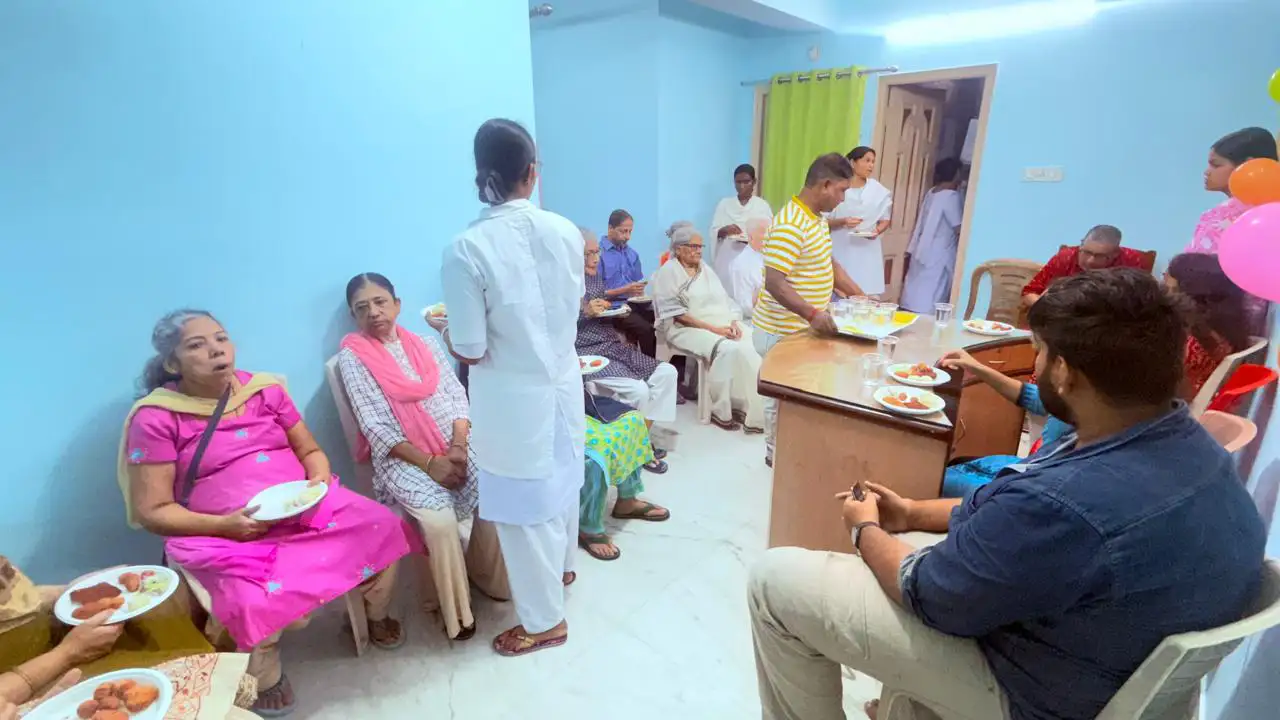
What Is a Dementia Care Home Trial Stay?
A trial stay is a short-term, paid admission at a dementia care facility — usually lasting 3 to 7 days. It is not a full long-term commitment. It is a structured, supervised, real-life test of what daily life would look like if your parent moved in permanently.
During the trial, your parent lives at the facility exactly as a regular resident would. They eat the same food, sleep in the same type of room, follow the same routine, and interact with the same caregivers. You, meanwhile, observe everything — appetite, sleep quality, mood, hygiene, staff responsiveness, and emergency readiness.
Think of it as a test drive before buying the car. No family should have to admit a parent with dementia into a facility based only on a brochure, a website, or a 30-minute tour. A trial stay removes guesswork from one of the most emotional decisions you will ever make.
For a complete picture of what dementia care in Kolkata involves, visit our main Dementia Care Home in Kolkata page. The trial stay is one part of the overall admission journey.
Why a Trial Stay Matters So Much
A trial stay is not just a formality. It answers questions no brochure can.
You See the Real Food
Photographs of meals mean nothing. During a trial, your parent actually eats three meals a day for several days. You learn whether the food is fresh, soft enough, culturally familiar, and whether they eat willingly or refuse.
You See Real Staff Behaviour
During scheduled tours, staff are on their best behaviour. During a trial stay, you see how they behave on a normal Tuesday afternoon — whether they are patient, attentive, warm, or rushed and dismissive.
You See How Your Parent Sleeps
Sleep is a major concern in dementia. Night-time restlessness, wandering, and sundowning are common. A trial stay reveals whether the facility's night shift is genuinely awake and attentive, or absent.
You See the Safety Reality
Locked exits, CCTV coverage, grab bars, call bell response time — you can verify all of these during a trial. You also see how the staff respond if your parent attempts to wander.
You See Your Parent's Emotional Response
Some parents settle within two days. Others cry for a week. A trial stay shows you which reaction is real for your parent — and whether the staff handle distress with compassion or impatience.
You Test Communication
How often do they send updates? Do they respond to your calls? Are the reports accurate? During a trial, you learn whether the facility's communication promises hold up in practice.
Who Should Consider a Trial Stay
A trial stay is valuable for almost every family considering dementia care. It is especially important in these situations.
First-Time Admission
If your parent has never lived in a care facility before, a trial stay eases the transition. It gives them a chance to test the environment before it becomes permanent.
Caregiver Respite
If you are the primary caregiver and need a genuine break — for health, travel, or your own mental well-being — a trial stay doubles as respite care. You rest while your parent receives professional care.
After Hospitalisation
Post-surgery or post-illness recovery often requires short-term professional supervision. A 5 to 7 day trial stay can serve as a transition between hospital and home.
Comparing Two Facilities
If you are torn between two dementia care homes, do a trial stay at both — one after the other. The difference becomes obvious when you have lived experience of both.
NRI Families on Short Visits
If you are visiting Kolkata for two or three weeks from abroad, a trial stay is an ideal way to test a facility while you are physically present to observe daily life.
Behavioural Concerns
If your parent has aggression, wandering, or severe sundowning, a trial reveals whether the facility can genuinely manage these behaviours — not just claim they can.
If your parent does not yet need specialised memory care but needs daily assistance, an Assisted Living Home in Kolkata may also offer trial stays with a lower care intensity.
How Long Should a Trial Stay Be?
Three to seven days is the sweet spot. Here is how to think about the duration.
| Duration | What It Reveals | Best For |
|---|---|---|
| 1–2 days | Only first impressions. Honeymoon behaviour. Not reliable. | Emergency respite only |
| 3 days | Food, hygiene, sleep, basic staff interaction | Initial evaluation |
| 5 days | Behavioural patterns, medical response, family communication | Most families |
| 7 days | Full routine, weekend staffing, weekly doctor visit, emotional adjustment | Families deciding long-term |
| 10–14 days | Deeper settling pattern, medication adjustment, chronic condition management | Complex medical needs |
Key insight: Stays shorter than three days rarely show the real picture. A dementia patient often behaves well for the first 24 to 48 hours — a phenomenon sometimes called "honeymoon behaviour." Real patterns emerge from day three onwards.
What to Observe During the Trial Stay
Be systematic. Visit at different times of day. Keep notes. Compare against other facilities.
Food & Hydration
- Does your parent eat willingly?
- Is the food soft and culturally familiar?
- Are they offered water regularly?
- Do staff assist with feeding if needed?
Sleep & Night Care
- Are they sleeping through the night?
- Is the night nurse actually present?
- How is sundowning handled in the evening?
- Do they wake up rested or exhausted?
Mood & Engagement
- Do they look calm or distressed?
- Are they participating in activities?
- Do they smile at caregivers?
- Do they ask to go home repeatedly?
Hygiene & Grooming
- Are they bathed and dressed daily?
- Is their hair combed and nails clean?
- Are incontinence needs managed promptly?
- Is the room kept tidy?
Medical Management
- Are medicines given on time?
- Is blood pressure or sugar checked?
- Are any new complaints addressed?
- Is a doctor available if needed?
Communication with Family
- How many updates did you receive?
- Were they accurate and specific?
- Did they respond promptly to your calls?
- Were concerns addressed or deflected?
Warning Signs During a Trial Stay
If you see any of these, do not proceed with long-term admission — regardless of how attractive the facility looked initially.
Stop and Reconsider If You See These
- Unexplained bruises, cuts, or marks on your parent
- Signs of dehydration — dry lips, dark urine, confusion worsening
- Rapid weight loss within a few days
- Your parent smells of urine or sweat when you visit
- Staff dismissing your concerns or becoming defensive
- Refusal to share daily updates or evasive answers
- Your parent expressing fear of specific staff members
- Other residents left unattended for long periods
- Strong odours in corridors or rooms
- Night nurse absent when you call at odd hours
- Pressure to convert to long-term admission before the trial ends
- Medicines not given on time or doses mismanaged
Cost of a Dementia Care Trial Stay in Kolkata
A trial stay is priced per day. It covers accommodation, meals, nursing supervision, medication management, and daily activities. Here is a realistic range for 2026.
| Room Type | Approx. Daily Rate | Typical 5-Day Total |
|---|---|---|
| Twin Sharing (Non-AC) | ₹2,000 – ₹2,500 | ₹10,000 – ₹12,500 |
| Twin Sharing (AC) | ₹2,500 – ₹3,000 | ₹12,500 – ₹15,000 |
| Single Room (Non-AC) | ₹3,000 – ₹3,500 | ₹15,000 – ₹17,500 |
| Single Room (AC) | ₹3,500 – ₹4,500 | ₹17,500 – ₹22,500 |
What is usually included: room, meals, nursing care, medication administration, housekeeping, laundry, and daily activities.
What is usually extra: doctor consultations, physiotherapy, special diets, diapers, medical consumables, and hospitalisation.
Important: Some facilities adjust the trial stay cost against the first month's fee if you proceed with long-term admission. Ask about this in advance. Also confirm whether the trial fee is refundable if you decide not to proceed — most are not, since the service has already been delivered.
Packing Checklist for a Trial Stay
Keep it simple. Bring what is familiar and useful. Leave what is valuable or dangerous at home.
What to Bring
- Comfortable, easy-to-wear clothes (4-5 sets)
- Non-slip footwear and slippers
- All regular medications in original packaging
- Recent medical reports and prescription list
- Aadhaar or photo ID copy
- Two emergency contact numbers
- Toiletries and personal care items
- A familiar comfort item — blanket, shawl, or photo
- Glasses, hearing aid, dentures if used
- Diapers or incontinence products if needed
What to Leave Behind
- Jewellery and valuables
- Large amounts of cash
- Original property or legal documents
- Sharp objects, scissors, or knives
- Loose rugs or floor coverings
- Bulky furniture
- Expensive electronics
- Walking sticks with worn-out tips
How to Book a Trial Stay: Step by Step
The process is simple. Most facilities can arrange a trial within 48 to 72 hours if medical reports are ready.
1 Call and Explain Your Situation
Share your parent's diagnosis, current symptoms, mobility status, and medications. Ask whether they offer trial stays, how long, and at what rate. Confirm what is included in the trial fee.
2 Visit the Facility First
Even if you plan a trial, visit once before booking. Meet the head nurse. See the room your parent will use. Ask how they handle wandering, aggression, and night-time confusion.
3 Submit Basic Documents
Photo ID, medical reports, medication list, emergency contacts, and a signed trial stay consent form. Some facilities also request a doctor's fitness certificate for short-term admission.
4 Pay the Trial Fee
Pay only for the days you have booked. Get a written receipt that clearly states the duration, inclusions, and whether any portion is adjustable against future long-term fees.
5 Move In for the Trial Period
Arrive in the morning, not at night. Spend the first hour settling your parent into the room. Have a meal together if possible. Then step back and let staff take over.
6 Observe, Ask, and Record
Visit at different times. Speak to staff by name. Ask for daily updates. Keep a small notebook or WhatsApp notes on what you observe — food, mood, hygiene, medical care, and communication.
7 Decide at the End of the Trial
At the end of the period, you either proceed with long-term admission, extend the trial for another few days, or walk away. There is no obligation either way. This is the entire purpose of a trial stay.
After the Trial: What to Do Next
A trial stay gives you data. Here is how to use it well.
If the Trial Went Well
- Request a written long-term cost sheet
- Confirm refund terms and notice period
- Discuss room selection for permanent stay
- Read the admission agreement carefully
- Plan move-in day calmly
If the Trial Did Not Go Well
- Do not proceed out of guilt or convenience
- Document your concerns factually
- Try a trial at a different facility
- Consider whether Elderly Home Care Service in Kolkata suits your situation better
- Speak to other families for recommendations
For families whose parents need only basic senior living — not memory care — a trusted Old age home in kolkata may also offer short-term trial stays, often at a lower cost.
Conclusion: Peace of Mind Comes from Experience
Choosing a dementia care home for a parent is one of the most difficult decisions you will ever make. A trial stay removes much of the uncertainty. It lets you see, smell, hear, and feel what your parent's daily life would actually be like — not what a brochure promises.
Three to seven days. A modest fee. No long-term commitment. For most families, this small investment of time and money is the single most valuable step in the entire admission journey.
If you would like to book a dementia care trial stay in Kolkata, Dementia Care Home in Kolkata at Shibasram Trust offers short-term trial admissions, 24/7 nursing, secure memory care, and complete transparency. We also provide Assisted Living Home in Kolkata services, Elderly Home Care Service in Kolkata, and a trusted Old age home in kolkata environment — so your parent's care can continue seamlessly as needs change.
Call us to check availability, discuss your parent's condition, and book a trial stay. We will not pressure you into anything. We simply invite you to experience the difference before you decide.
Explore Shibasram's trusted senior care services:
📍 Santoshpur, Kolkata | 24/7 nursing | Trial stays available
Frequently Asked Questions
Book a Dementia Care Trial Stay Today
Shibasram Trust offers short-term dementia care trial stays with 24/7 nursing, secure memory care, and no pressure to commit long-term. Experience the care before you decide.
Call +91 99038 14392📍 Santoshpur, Kolkata | Trial stays available on request