
Navigating Family Conflicts Around Elder Care Decisions: A Guide to Better Geriatric Advocacy
As our global population ages, the responsibility of caregiving has shifted from a private family matter to a complex navigation of the modern healthcare landscape. In 2026, the intersection of medical technology and personalized care has created new opportunities, yet the root cause of stress remains: Family Conflicts Around Elder Care Decisions.
Whether it is a disagreement between siblings about a parent’s living situation or a clash with a healthcare provider over a diagnosis, these conflicts are more than just emotional hurdles—they are barriers to high-quality care. Based on recent qualitative research and clinical insights, this guide explores how to identify, manage, and resolve the friction points that arise when caring for our aging loved ones.

The Root Causes of Conflict in the Healthcare System
Caregiving is rarely a solo journey. It involves a web of interactions between family members, doctors, nurses, and insurance providers. Research indicates that Family Conflicts Around Elder Care Decisions often stem from five primary “friction zones” within the healthcare system:
1. Communication Barriers with Providers
One of the most frequent complaints from caregivers is the feeling of being “shut out.” Many physicians focus solely on the patient, ignoring the caregiver who observes the patient 24/7. When a doctor dismisses a caregiver’s observations, it triggers a defensive response, leading to a breakdown in trust.
2. The Chaos of Emergency Care
Emergency Departments (ED) are often fast-paced and not optimized for the elderly. Caregivers frequently report that the treatment of older adults in the ED lacks compassion or geriatric focus. This leads to “advocacy burnout,” where the caregiver feels they must “fight” the system just to get their loved one admitted or properly evaluated.
3. Disjointed Transitional Care
The “waiting game” of moving a patient from a hospital to a skilled nursing facility or back home is a major catalyst for Family Conflicts Around Elder Care Decisions. Disputes often arise over whether a facility is “good enough” or if the home environment is safe for recovery.
Strategic Solutions: Moving from Conflict to Collaboration
To improve the quality of life for both the senior and the caregiver, we must move toward a “conflict-free” healthcare model. Here is how experts suggest we bridge the gap:
Empowering the “Patient Advocate” Role
Caregivers are not just helpers; they are vital members of the medical team. By taking detailed notes and photo-documenting care, caregivers can provide “expert” testimony that helps doctors make better-informed decisions.
Addressing the Financial Strain
Money is a silent driver of Family Conflicts Around Elder Care Decisions. With confusing billing cycles and high co-pays, families often argue over who pays for what. Transparency and early financial planning—including understanding Medicare nuances—are essential to reducing this burden.
The Emotional Toll: Why “Self-Care” Isn’t Just a Buzzword
According to national surveys, over 57% of caregivers report failing to meet their own physical and emotional needs. This lack of self-care creates a “short fuse,” making Family Conflicts Around Elder Care Decisions more likely to escalate. When a caregiver is exhausted, every medical update feels like a battle.
Expert Insight: “Asking a caregiver ‘How are you doing?’ is not just a polite gesture—it is a clinical necessity. A supported caregiver leads to a healthier patient.” — Dr. Lee A. Lindquist, Chief of Geriatrics.
Choosing the Right Path: Old Age Homes vs. Home Care
In cities like Kolkata, the transition to formal care is a significant point of contention. Deciding on an old age home in Kolkata involves balancing cultural expectations with medical realities.
The decision often triggers deep-seated guilt among family members. However, in 2026, many facilities have evolved into high-tech, high-touch environments that offer better specialized geriatric care than a single relative can provide at home. Reaching a consensus on an old age home in Kolkata requires open dialogue about the specific medical needs—such as dementia care or physical therapy—that the family may no longer be able to manage alone.
FAQs on Resolving Caregiver Disputes
1. What is the main cause of family conflicts around elder care decisions? The primary causes are usually poor communication with healthcare providers, financial stress, and disagreements between siblings regarding the level of care required for the aging parent.
2. How can I get a doctor to listen to my concerns as a caregiver? Prepare a concise list of observations before the appointment. Ask the doctor, “How can we work together as a team to ensure the best outcome?” or request a specific point-person for updates.
3. Why do siblings fight over elder care so much? Often, the “primary caregiver” feels overwhelmed and unappreciated, while “long-distance” siblings feel left out or skeptical of the care being provided. This role imbalance is a classic trigger for conflict.
4. Is it better to keep an elder at home or move them to a facility? There is no one-size-fits-all answer. It depends on the senior’s medical complexity, the caregiver’s health, and the availability of professional home-health resources versus a specialized facility.
5. How can we manage the financial conflicts of caregiving? Establish a transparent family budget early on. Use professional financial advisors or geriatric care managers to provide an objective view of the costs associated with long-term care.
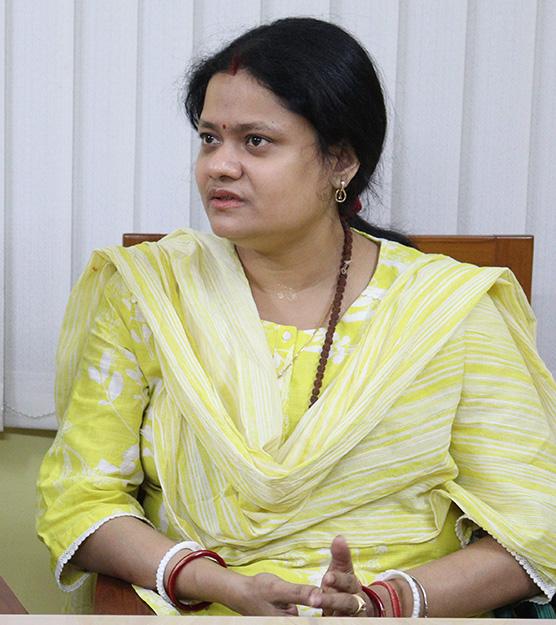
M.A.(Hons) in Geography at University of Calcutta.
writing-specific social work courses such as interviewing and documentation,
professional seminars, and writing modules in all BSW and MSW