How to Choose an Old Age Home in Kolkata: 2026 Expert Guide
Choosing an old age home in Kolkata for your parents is one of the most important decisions your family will ever make. With dozens of facilities across the city – from Behala to New Town, from budget homes to luxury assisted living – how do you select the right one?
If you are looking for the best old age home in Kolkata with 24/7 medical care, dementia support, and transparent pricing – Shibasram Trust has been serving families since 2013.
Quick Overview: Types of Old Age Homes in Kolkata
| Type | Location Examples | Monthly Cost | Best For |
|---|---|---|---|
| Budget/Government | Apanjan (Garia), Dham homes | ₹0 – ₹5,000 | Destitute, BPL seniors |
| Standard Private | Various in South Kolkata | ₹15,000 – ₹30,000 | Healthy, independent seniors |
| Premium Assisted | New Town, EM Bypass, Joka | ₹35,000 – ₹70,000 | Seniors needing daily help |
| Luxury/Dementia Care | Shibasram (Trust), similar | ₹50,000 – ₹1,50,000 | Dementia, bedridden, 24/7 care |
10-Point Checklist: How to Choose
1. Location & Accessibility
Why it matters: You will visit often. Emergency hospital access is critical.
What to check: Distance from home/office, proximity to hospitals (AMRI, Peerless, etc.), and public transport availability.
Red flag: Remote area with poor road connectivity.
2. Cleanliness (The "Smell Test")
Why it matters: Hygiene directly impacts health and dignity.
What to do: Visit unannounced at different times. Notice any strong urine or disinfectant smells.
Red flag: Strong urine smell or visibly dirty floors/bedsheets.
3. Staff-to-Resident Ratio
Why it matters: More staff = better care.
Ideal ratios: Assisted living (1:5), Dementia care (1:3). Night shift should have minimum 2 staff members.
Red flag: 1 staff for 20+ residents or no night staff.
4. Medical Facilities & Emergency Preparedness
Why it matters: Health emergencies happen without warning.
What to check: 24/7 nurse, doctor visits, ambulance tie-ups, and availability of oxygen/defibrillators.
Red flag: Doctor visits once a month or no ambulance arrangement.
5. Food Quality & Nutrition
Why it matters: Sensitive digestive systems require specialized care.
What to check: Taste the food, check weekly menu, and ensure they accommodate diabetic or soft diets.
Red flag: Food is too spicy/oily or same menu every day.
6. Safety Features
Why it matters: Falls are the #1 cause of injury in seniors.
What to check: Grab rails, non-slip flooring, emergency call bells, CCTV, and backup generators.
Red flag: No grab rails or broken call bells.
7. Room Quality & Privacy
Why it matters: Affects mental health and sense of home.
What to check: Ventilation, natural light, adequate space, and cleanliness.
Red flag: Dark, windowless rooms or dirty walls.
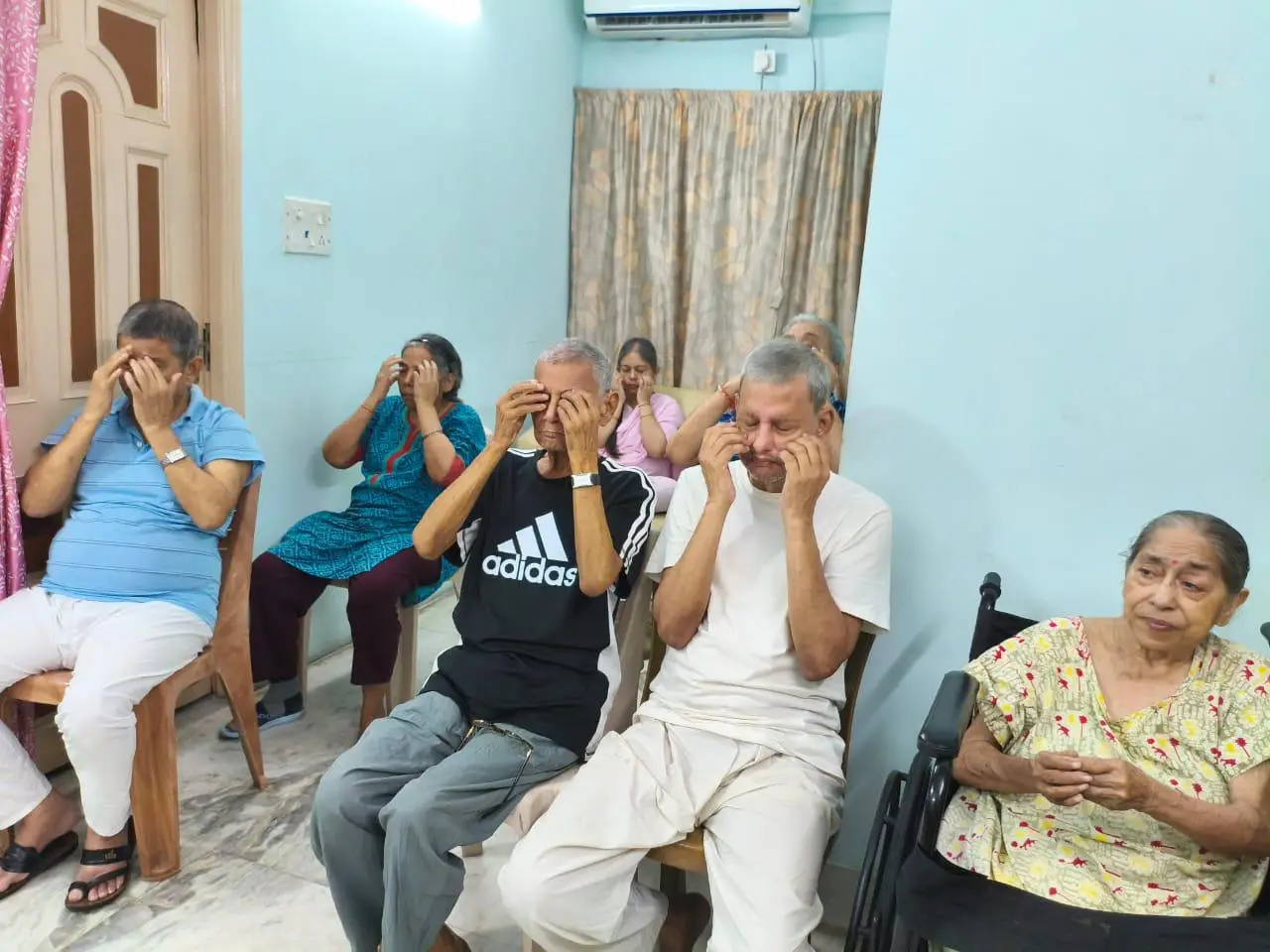
8. Activities & Social Engagement
Why it matters: Loneliness is a significant health risk.
What to ask: Weekly schedule, festival celebrations (Durga Puja, etc.), and group activities.
Red flag: Common room is always empty or residents sitting alone all day.
9. Transparent Pricing & Contract
Why it matters: Hidden costs can disrupt your financial planning.
What to ask: All-inclusive fee, refund policy on deposits, and extra charges (AC, laundry, etc.).
Red flag: Non-refundable deposit or no written contract.
10. Trial Stay (Most Important)
Why it matters: Living there for 7-15 days tells you everything a tour cannot.
What to do: Never sign long-term without a trial. Talk to other residents privately.
Red flag: Home refuses trial stay or no month-to-month option.
Questions to Ask (Management)
| # | Question |
|---|---|
| 1 | What is the staff-to-resident ratio during day and night? |
| 2 | Is there a nurse 24/7? What are their qualifications? |
| 3 | Which hospital do you have tie-up with for emergencies? |
| 4 | How often does a doctor visit? |
| 5 | Is the security deposit refundable? What is the refund period? |
| 6 | Can fees increase? How much notice is given? |
| 7 | What happens if the resident needs hospitalization? |
| 8 | Can family visit anytime? Is there a guest room? |
Red Flags: Never Choose If...
❌ Staff refuses to show all rooms: Hiding neglect or bedridden patients.
❌ Strong urine smell throughout: Infrequent cleaning and neglect.
❌ Deposit is "non-refundable": Likely a scam – avoid immediately.
❌ No written contract: Illegal operation.
❌ Residents look sad or sedated: Chemical restraints or neglect.
❌ No backup generator: Deadly during power cuts/heatwaves.
Cost Comparison: Kolkata (2026)
| Facility Type | Monthly Cost | Security Deposit | Medical Care |
|---|---|---|---|
| Government/Free | ₹0 – ₹3,500 | None | Basic only |
| Budget Private | ₹8,000 – ₹15,000 | ₹20k – ₹50k | Daytime only |
| Standard Private | ₹15,000 – ₹30,000 | ₹50k – ₹1L | Basic nursing |
| Premium Assisted | ₹35,000 – ₹60,000 | ₹1L – ₹5L | 24/7 nursing |
| Luxury/Dementia | ₹60,000 – ₹1,50,000 | ₹5L – ₹20L | Specialized memory care |
Step-by-Step Shortlisting
Step 1: Determine Budget. Step 2: Identify Preferred Area. Step 3: Google Search & Shortlist 5-7 homes. Step 4: Call & Ask Basic Questions. Step 5: Visit Top 3 (Unannounced). Step 6: Do 15-day Trial Stay. Step 7: Read Contract Carefully. Step 8: Make Decision.
Frequently Asked Questions (FAQ) – Expert Advice
Medical emergency preparedness is the most important factor. In Kolkata, traffic can delay ambulances significantly. Before admission, verify if the home has a 24/7 nurse on duty, a tie-up with nearby hospitals like AMRI or Apollo, and an in-house ambulance. Ask directly: "What happens if my parent needs help at 2 AM?" If the answer is vague, choose another home. Medical security always comes before room size or food quality.
Yes, a trial stay is absolutely necessary. A one-hour tour will never reveal night conditions, food quality, or staff behavior. Stay for 7 to 15 days before signing any contract. Live there, eat the food, observe night shifts, and talk to other residents privately. If a home refuses a trial stay, remove it from your list immediately. This is the only way to know the truth.
Ask for three documents: Trust registration, nursing home license, and a sample contract. Then check Google Maps 1-star reviews for patterns of theft or neglect. Call the local police station to ask if any complaints have been filed. Finally, request two recent family references and actually call them. A registered home will share all this openly. Any hesitation is a red flag.
Budget homes (₹8,000-₹15,000/month) offer shared dorms, common toilets, and daytime nurses only. There is no 24/7 medical support. Premium homes (₹35,000-₹70,000/month) provide private AC rooms, attached bathrooms, 24/7 nursing, doctor visits, physiotherapy, and dementia care. The staff ratio is 1:5 in premium homes versus 1:30 in budget homes. Choose based on your parent's medical needs, not just price.
Yes, but only in premium private homes. Government and budget homes have separate male and female dormitories, forcing couples to live apart. When visiting, ask specifically: "Do you have couple rooms with double beds and attached bathrooms?" Premium facilities like Shibasram Trust offer dedicated couple rooms. If staying together matters to your parents, eliminate any home that cannot accommodate them as a couple.
Final Print-Friendly Checklist
☐ Location within 20 min of hospital ☐ Clean, no urine smell ☐ Staff ratio 1:5 or better ☐ 24/7 nurse available & ambulance tie-up ☐ Grab rails & emergency call bells ☐ Transparent pricing & written contract ☐ Trial stay allowedNeed a Trusted Option?
If you are looking for premium assisted living or dementia care in Kolkata with transparent pricing and 24/7 nursing:
Visit Shibasram Trust - A Trusted Choice