Loneliness vs Solitude in Old Age: What’s the Difference – 2026 Guide for Families
Many people assume that an older person living alone is always lonely. But there is a profound difference between loneliness – the painful feeling of being disconnected – and solitude – the peaceful, chosen state of being alone without feeling isolated. Understanding this distinction is essential for families caring for aging parents. This guide explains the difference, the health impacts of each, and when professional memory care may be needed.
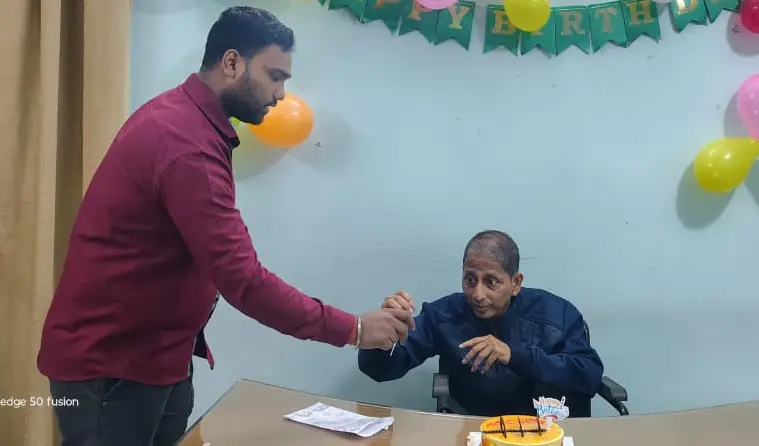
1. Defining Loneliness and Solitude
| Loneliness | Solitude |
|---|---|
| Involuntary – you want connection but lack it. | Voluntary – you choose to be alone. |
| Feels painful, empty, anxious. | Feels peaceful, restorative, creative. |
| Drains energy, lowers immune function. | Recharges energy, reduces stress. |
| Often accompanied by sadness, irritability. | Often accompanied by calm, reflection. |
A senior may live in a crowded senior home yet feel intensely lonely. Another may live alone in a rural cottage and feel perfectly content in solitude.
2. Why Loneliness Is Dangerous in Old Age
Chronic loneliness is not just an emotion – it is a health threat. Research (2025‑2026) shows:
- Increased inflammation – loneliness raises cortisol and C‑reactive protein, accelerating heart disease and arthritis.
- Higher dementia risk – socially isolated seniors have a 40% higher risk of developing Alzheimer’s.
- Worse sleep – loneliness leads to more nighttime awakenings.
- Shorter life expectancy – comparable to smoking 15 cigarettes a day.
Signs of loneliness in seniors:
- Repeated calls to family (even after just speaking).
- Watching television for hours without engagement.
- Loss of appetite, weight loss.
- Expressing that “no one cares” or “I have nothing to live for.”
3. Why Solitude Can Be Healthy
Solitude, when chosen, is a different experience. A senior who enjoys reading, gardening, or praying alone is not lonely; they are replenishing. Healthy solitude:
- Lowers stress hormones (cortisol).
- Improves self‑awareness and emotional regulation.
- Allows for rest and recovery from social overstimulation.
Signs of healthy solitude in seniors:
- Contentment when alone (“I enjoy my quiet time”).
- Engages in hobbies or spiritual practices.
- Still seeks social contact occasionally but does not suffer when alone.
Families should respect a parent’s desire for solitude – as long as they are not isolated out of fear or depression.
4. When Solitude Turns into Loneliness – The Overlap
Some seniors start with healthy solitude but drift into loneliness due to:
- Loss of a spouse – suddenly the house is painfully empty.
- Mobility decline – cannot visit friends or attend temple.
- Hearing loss – avoids conversations because embarrassed.
- Depression – loses interest in hobbies that once brought joy.
Warning signs that solitude has become unhealthy loneliness:
- Stopping formerly enjoyed solitary activities (no longer reading, gardening).
- Refusing phone calls or visits – not out of preference but apathy.
- Physical decline – weight loss, neglected appearance, missed medications.
5. How Families Can Help – Balanced Approach
6. When Loneliness Is a Symptom of Dementia
In early‑stage dementia, seniors may lose the ability to initiate or maintain social connections. They may withdraw not from choice, but from confusion. Later, they may feel lonely even in a crowded room because they cannot follow conversations or recognise faces.
If your loved one:
- Refuses to answer the phone or door.
- Becomes paranoid about caregivers (“They are stealing from me”).
- Wanders outside (trying to find “home” or “family” who are not there).
… then loneliness is not the primary issue – dementia is. General social interventions (day care, calls) may not work. A specialised memory care facility provides structured social engagement, familiar routines, and a secure environment – restoring a sense of safety even when loneliness cannot be fully alleviated.
If your loved one shows signs of dementia and loneliness is escalating, specialised memory care can provide safety and meaningful connection. Learn more:
👉 Old age home in Kolkata for dementia care →
7. Frequently Asked Questions (FAQ)
Do not confuse a quiet parent with a lonely one. Solitude can be a gift. Loneliness is a poison. Observe carefully, ask gently, and intervene when safety or health is at risk. If dementia is driving loneliness and isolation, a memory care facility may offer the structured, compassionate environment that home care cannot provide.
For families in Kolkata who need specialised dementia care, explore our memory care home:
👉 Old age home in Kolkata for dementia care →