
Love in Old Age in India: Breaking Barriers for Senior Romance
The silver years in India are undergoing a seismic shift. At Shibasram, we believe companionship is a fundamental human right. While searching for the best old age home in Kolkata hub, seniors are now discovering that Love in Old Age in India is a powerful movement of emotional independence and neurological health.
The Loneliness Epidemic and the Need for Companionship
As life expectancy in India climbs, approximately 149 million seniors face a growing "social vacuum." Traditional joint family structures are dissolving, leaving widowed or divorced parents in empty nests. Studies show that over 65% of seniors in metros feel lonely, which is a precursor to cognitive decline. Choosing a vibrant old age home in Kolkata hub can act as a catalyst for new connections, providing a secure sanctuary where romance and friendship can flourish.
Love in Old Age in India isn't just about romance; it's a physiological necessity. Denying the elderly the right to love is clinically linked to depression. Modern retirement facilities in West Bengal now integrate social "Adda" sessions, ensuring that seniors find like-minded souls to share their morning tea and twilight years.
Breaking Social Stigmas
Overcoming the "Log Kya Kahenge" barrier is the biggest hurdle. In 2026, seniors are challenging orthodox circles to reclaim their right to romantic happiness.
Inheritance and Legal Security
Romance often triggers inheritance conflicts. Many seniors now utilize the Indian Succession Act of 1925 to secure property while pursuing emotional independence.
The Rise of Silver Matchmaking
NGOs and digital platforms like Happy Seniors provide specialized matchmaking, helping the silver demographic navigate romance after long-term marriages.
Live-in: A Practical Alternative
Live-in relationships are legal in India. This allows seniors to avoid property complexities and family drama while enjoying mutual care and autonomy.
Gender Barrier Shift
Widows in 2026 are increasingly speaking up against the cultural expectation of being perpetual "nurturers," prioritizing their own psychological needs.
Health and Cognitive Vitality
Active social lives lead to lower rates of hypertension. Having a partner to share conversation can significantly slow down the progression of memory loss.
Why Structure Matters for Senior Romance
Denying seniors the right to love is considered cruel by modern psychiatrists. Humans have a fundamental need for physical touch and conversation. By transitioning to a professional old age home in Kolkata hub, many seniors find a community-driven lifestyle that fosters deep friendships. These facilities prioritize medical safety while encouraging a vibrant social calendar, ensuring that aging is met with joy rather than isolation.
Whether it's through senior dating apps or structured residential living, Love in Old Age in India is a grassroots shift. It’s about celebrating clarity and providing a soft landing during moments of loneliness. Reclaiming the "City of Joy" spirit means ensuring our elders have access to companionship, dignity, and expert clinical support.
Expert FAQ on Senior Romance
1. Is it legal for senior citizens to have a live-in relationship in India?
Yes. The Supreme Court of India has declared live-in relationships legal. Seniors have the right to live with a partner of their choice under domestic violence protection laws.
2. How does late-life romance affect property inheritance?
Under the Indian Succession Act, a new spouse may have rights. Many seniors choose live-in arrangements to keep ancestral property matters separate and avoid family conflicts.
3. Are there dating apps for the silver demographic in India?
Yes. Mainstream apps like QuackQuack and specialized NGOs are catering to seniors, providing counseling to navigate romance in the digital age.
4. Why is companionship vital for elderly health?
Companionship reduces the risk of isolation-driven hypertension and depression. Shared interaction is a clinical precursor to slower cognitive decline.
5. Can old age homes act as social hubs for romance?
Absolutely. Modern facilities in Kolkata provide safe spaces where seniors can interact with peers, leading to deep friendships and romantic companionship.
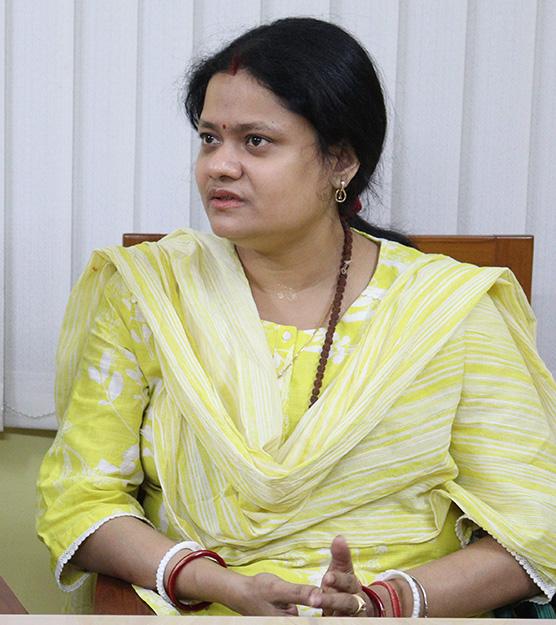
Jayitri Das
Senior Care SpecialistM.A.(Hons) in Geography at University of Calcutta. Specialist in writing social work modules, conducting professional seminars, and interviewing documentation in BSW and MSW fields. Dedicated to enhancing the lives of seniors through compassionate care models.