
Specialized Paralysis Patient Care in Kolkata Senior Homes: A Holistic Guide
When a loved one experiences paralysis, whether from a stroke, spinal cord injury, or another neurological condition, the family is faced with immense emotional and logistical challenges. Providing round-the-clock, specialized care at home becomes a daunting, often unsustainable task. This is where the paradigm of specialized senior care homes in Kolkata emerges as a beacon of hope, offering not just shelter, but a comprehensive ecosystem designed for dignity, recovery, and quality of life. Finding the right Paralysis patient care in Kolkata is not just about a facility; it’s about finding a partner in your loved one’s journey towards stability and well-being.
The need for such specialized care is profound. Kolkata, with its aging population and urban stressors, sees a significant number of paralysis cases annually. The city’s leading senior residences have risen to meet this need, evolving beyond traditional old-age homes into centers of rehabilitative excellence. This guide delves into the core components that make Paralysis patient care in Kolkata not just a service, but a specialized medical and compassionate discipline.
From there, content can educate them on the specialized services available, such as paralysis patient care, dementia support, and post-operative recovery, showcasing the evolution beyond the traditional concept of an old age home in kolkata

The Pillars of Expert Paralysis Care: More Than Just Assistance
Specialized care for paralysis patients is built on a multi-disciplinary approach. It’s a symphony where every expert plays a crucial role.
24/7 Medical Supervision & Nursing Care: The cornerstone of effective Paralysis patient care in Kolkata is uninterrupted medical vigilance. Reputed homes have trained nurses and caregivers proficient in managing vital signs, administering medications, and most critically, preventing complications like bedsores (pressure ulcers), urinary tract infections, and pneumonia through regular turning, catheter care, and chest physiotherapy.
Physiotherapy & Neurological Rehabilitation: Movement is medicine. Dedicated physiotherapists design individualized exercise regimes focusing on:
Range of Motion (ROM) Exercises: To prevent muscle atrophy and joint contractures.
Mobility Training: Using parallel bars, walkers, and wheelchairs to maximize independence.
Neurodevelopmental Techniques: Methods like Bobath or Proprioceptive Neuromuscular Facilitation (PNF) to retrain the brain and nervous system.
Pain Management: Using modalities like heat, cold, and electrical stimulation to manage neuropathic pain.
Occupational & Speech Therapy: True rehabilitation aims at restoring purpose and communication. Occupational therapists help patients relearn Activities of Daily Living (ADLs)—eating, grooming, dressing—using adaptive devices. Speech-language pathologists work with those affected by aphasia or dysphagia (swallowing difficulties), common after strokes, ensuring safe nutrition and restoring the power of communication.
Nutritional Management: A paralyzed body has unique metabolic needs. Dieticians craft high-protein, high-fiber, and hydration-focused diets to promote tissue repair, prevent constipation, and maintain optimal body weight. Feeding assistance is provided with utmost patience and care for those who need it.
Psychological & Emotional Support: Paralysis can lead to depression, anxiety, and a loss of self. Counseling sessions, engagement in social activities within the community, celebration of festivals, and simply having a listening ear are invaluable. This psychosocial support is integral to holistic Paralysis patient care in Kolkata.
E-E-A-T: Why Kolkata’s Senior Homes are Trusted Partners
When evaluating care options, Google’s E-E-A-T framework (Experience, Expertise, Authoritativeness, Trustworthiness) is precisely what families should look for.
Experience: The best facilities have years, often decades, of hands-on experience managing diverse paralysis cases—from hemiplegia and paraplegia to quadriplegia. This practical knowledge is irreplaceable in anticipating and managing day-to-day challenges.
Expertise: Expertise is demonstrated through a qualified, in-house team of doctors (physiatrists, neurologists on call), registered nurses, certified physio and occupational therapists. Continuous staff training on the latest palliative and rehabilitative protocols is a must.
Authoritativeness: Authoritativeness is built through accreditations, affiliations with medical institutions, published care protocols, and recognition by healthcare bodies. It’s reflected in transparently sharing success metrics and care philosophies.
Trustworthiness: Trustworthiness is the bedrock. It is established through spotless cleanliness, transparent pricing, open-door policies for families, secure environments, and above all, a demonstrably compassionate and respectful attitude towards every resident. Families must feel confident in the Paralysis patient care in Kolkata provider’s integrity.
Beyond Medical Care: The Healing Environment
The environment itself is therapeutic. Senior homes specializing in Paralysis patient care in Kolkata offer:
Accessible Infrastructure: Wide, wheelchair-friendly corridors, ramps, handicap-accessible bathrooms with support bars, and adjustable beds.
Safe & Stimulating Spaces: Secure courtyards, gardens for fresh air, and common areas for social interaction prevent isolation.
Tailored Daily Routines: Structure brings predictability and peace. A balance of therapy sessions, meals, rest, and recreational activities creates a purposeful day.
Choosing the Right Facility: Key Questions to Ask
When visiting a potential home, ask:
What is your nurse-to-patient ratio during day and night?
Can you detail your protocol for pressure sore prevention?
How do you handle medical emergencies?
Can we meet the core therapy team?
How do you involve the family in care planning?
Conclusion
Opting for specialized Paralysis patient care in Kolkata within a reputed senior home is a decision rooted in love and pragmatism. It is about providing your loved one with a fighting chance at improvement, dignity in daily living, and a community that cares. It allows families to transform from overwhelmed caregivers back into spouses, children, and grandchildren—offering emotional love while the experts handle the intensive medical and physical needs. In the heart of Kolkata, these homes stand as sanctuaries of science and empathy, guiding paralysis patients toward their highest possible quality of life.
FAQ on Paralysis Patient Care in Kolkata Senior Homes
What makes paralysis care in a Kolkata senior home different from home care?
Paralysis care in a senior home is different because it provides a fully integrated, 24/7 multidisciplinary care team under one roof. This includes doctors, trained nurses, physiotherapists, and occupational therapists who work together daily. Such coordinated care is difficult and expensive to arrange at home. Senior homes are also designed with safe, accessible infrastructure, structured routines, and social interaction, which help reduce complications, caregiver stress, and isolation while ensuring professional handling of complex medical needs like pressure sores and muscle contractures.
How do you prevent bedsores in paralyzed patients?
Bedsores are prevented through a strict and consistent care protocol. Patients are repositioned every two hours to relieve pressure. Specialized pressure-relief mattresses and cushions are used, along with regular skin hygiene and moisture control. High-protein, balanced nutrition supports skin repair, and trained nurses conduct daily skin inspections to detect early signs of pressure injury. This combined approach significantly reduces the risk of bedsores.
Do you offer speech therapy for stroke-induced paralysis patients?
Yes. Speech therapy is an essential part of comprehensive paralysis care, especially for stroke patients. Certified speech-language pathologists assess and treat conditions such as aphasia (difficulty in speaking or understanding language) and dysphagia (swallowing problems). Therapy focuses on improving speech clarity, language comprehension, and safe swallowing techniques to reduce the risk of choking and aspiration pneumonia.
Can families be involved in the care planning process?
Absolutely. Family involvement is encouraged and valued. Families are considered important members of the care team. Regular care-review meetings are held to discuss the resident’s progress, adjust goals, and personalize the care plan. Families are also guided on how to support their loved ones during therapy sessions, visits, and social activities.
What are the costs associated with specialized paralysis care in Kolkata?
The cost depends on factors such as the patient’s level of dependency, room type, and the intensity of medical and therapy support required. Generally, it is an all-inclusive monthly fee that covers accommodation, meals, 24/7 nursing care, basic medical supervision, and prescribed therapies. Pricing is transparent, and a detailed cost breakdown is shared during the initial consultation, with no hidden charges.
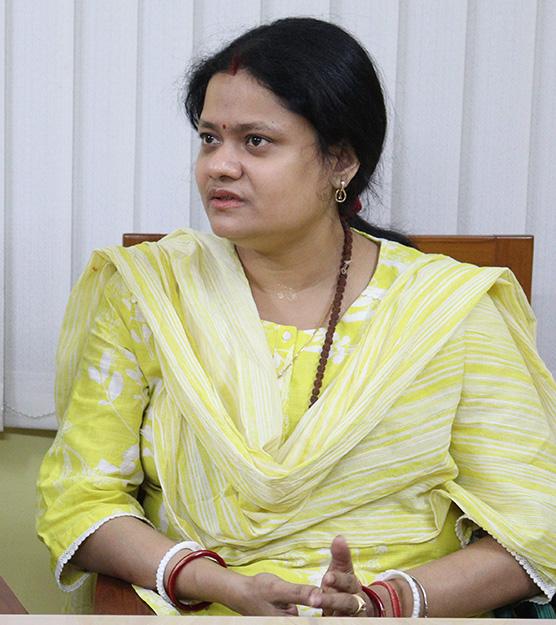
M.A.(Hons) in Geography at University of Calcutta.
writing-specific social work courses such as interviewing and documentation,
professional seminars, and writing modules in all BSW and MSW