
Preparing Mentally for Later-Life Transitions: A Guide to Emotional Resilience
Aging is perhaps the most profound transformation a human being undergoes. While we often obsess over retirement portfolios and physical health check-ups, we frequently overlook the most critical component: the mind. Preparing mentally for later-life transitions is not just about “staying positive”; it is about re-engineering your identity as the landscape of your life shifts.
In 2026, as life expectancy increases and social structures evolve, the psychological approach to aging has shifted from “fading away” to “intentional evolution.” Whether it’s moving to a smaller home, managing health changes, or finding new purpose after a career, mental readiness is your greatest asset.
1. Redefining Identity Beyond the “Career Self”
For many, professional life is the primary source of identity. When that ends, a vacuum often follows. Preparing mentally for later-life transitions requires you to decouple your self-worth from your productivity.
The Shift: Move from “What I do” to “Who I am.”
The Action: Start cultivating hobbies and social roles five years before retirement. This ensures that when the transition happens, you aren’t stepping into a void, but into a pre-furnished room of interests.
2. Navigating the Emotional Impact of “Downsizing”
Moving from a long-term family home to a senior living community or a smaller apartment is rarely just a logistics issue—it’s an emotional one. Each object carries a memory.
To succeed in preparing mentally for later-life transitions involving your living space, practice “Legacy Sorting.” Instead of seeing it as “throwing things away,” view it as “curating your best life.” This mindset shift reduces the cortisol response associated with loss and replaces it with a sense of control.
3. Building Cognitive Reserve and Neuroplasticity
The fear of cognitive decline is a major stressor in later life. However, the brain remains remarkably plastic well into our 80s and 90s. Engaging in lifelong learning is a cornerstone of preparing mentally for later-life transitions.
Challenge the Brain: Learn a new language or a digital skill.
Social Cognition: Deep, meaningful conversations are more effective at maintaining brain health than solo puzzles.
4. Embracing the “Social Convoy” Model
As we age, our social circles naturally shrink. This is often referred to as “Socioemotional Selectivity Theory.” People begin to prioritize emotionally meaningful relationships over superficial ones.
When preparing mentally for later-life transitions, be intentional about your “Social Convoy”—the group of people who move through time with you. This might include family, but it should also include intergenerational friendships to keep your perspectives fresh and modern.
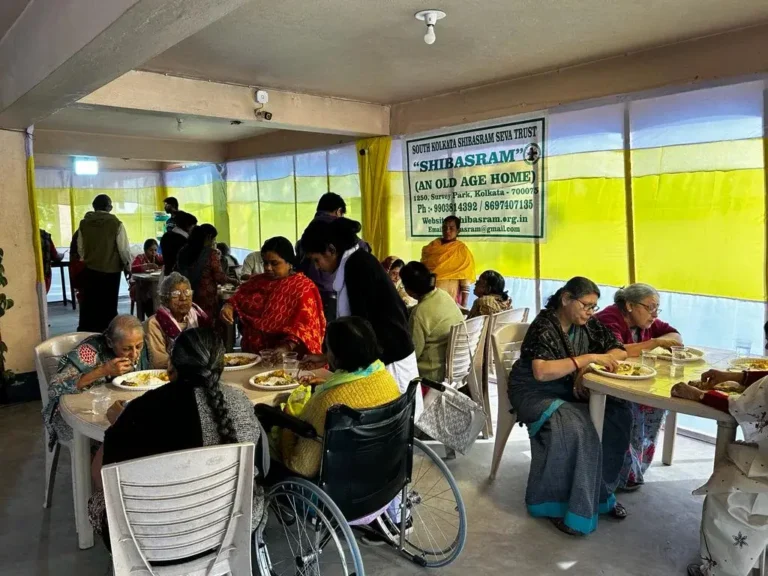
For those residing in urban hubs, the transition to assisted living is becoming a preferred lifestyle choice rather than a last resort. If you are searching for an old age home in Kolkata, you will find that modern facilities now focus heavily on mental stimulation and holistic wellness. These centers provide a structured environment that eases the burden of daily chores, allowing seniors to focus on social engagement and psychological health. Choosing a reputable home in the cultural heart of West Bengal ensures that your later-life transition is supported by a community that understands your heritage and emotional needs.
5. Radical Acceptance of Physical Change
Nothing challenges mental peace quite like a body that no longer performs the way it used to. Preparing mentally for later-life transitions involves a process called “Selective Optimization with Compensation.”
Selection: Pick the activities that matter most to you.
Optimization: Work hard to maintain your ability in those areas.
Compensation: Use tools or help for the things that are no longer feasible.
6. Financial Peace and the Mental Burden of “Enough”
Money is often a source of anxiety. Mental preparation involves moving from an “accumulation” mindset to a “utilization” mindset. Knowing that you have prepared financially allows the mind to rest. If you haven’t already, consult a geriatric financial planner to remove the “unknowns” that fuel late-night anxiety.
7. Spiritual and Philosophical Grounding
Regardless of religious affiliation, preparing mentally for later-life transitions usually involves a search for meaning. This “Gerotranscendence” is a shift in perspective from a materialistic and rational view of the world to a more cosmic and transcendent one. It often brings an increased feeling of communion with the universe and a decreased fear of death.
Conclusion: The Path Forward
Preparing mentally for later-life transitions is an active, ongoing process. It requires courage to face the mirror and wisdom to look beyond it. By focusing on identity, community, and cognitive growth, you don’t just “age”—you ascend into a new chapter of life characterized by depth and dignity.
Would you like me to help you create a personalized “Mental Readiness Checklist” based on your specific age and goals?
FAQ: Common Questions on Aging Mentally
Q1: What is the hardest part of preparing mentally for later-life transitions? The hardest part is often the loss of role identity. We are conditioned to value ourselves based on our jobs or parental duties. Relearning how to value yourself for your existence rather than your utility is a significant but rewarding challenge.
Q2: When should I start preparing mentally for later-life transitions? Ideally, the psychological preparation should begin in your mid-50s. This gives you a decade to build the social and emotional “muscles” needed for the major shifts that typically occur in the 60s and 70s.
Q3: How can I help a parent who is resisting these transitions? Validation is key. Acknowledge their fears of losing independence. Instead of “taking over,” offer choices. Empowerment is the best antidote to the anxiety of aging.
Q4: Does moving to a senior facility hurt mental health? Not necessarily. For many, it improves mental health by reducing isolation—which is a leading cause of depression in seniors. The key is finding a facility that aligns with one’s personal values.
Q5: What role does technology play in preparing mentally for later life? In 2026, technology is a bridge. From tele-therapy to virtual reality travel and social apps for seniors, staying tech-literate is a vital part of staying mentally connected to the world.
M.A.(Hons) in Geography at University of Calcutta.
writing-specific social work courses such as interviewing and documentation,
professional seminars, and writing modules in all BSW and MSW