
Senior Back Pain Reasons: Real Causes Older Adults Shouldn’t Ignore
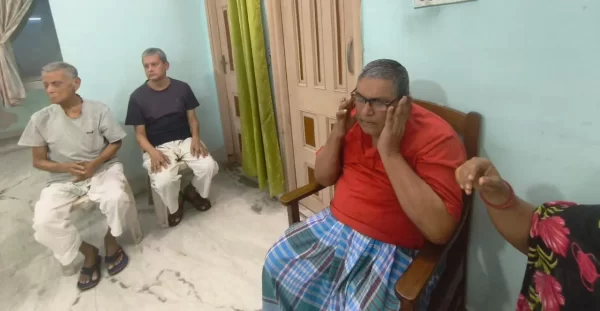
Back pain in seniors is so common that many older adults begin to think it is simply a part of aging. But the truth is different. Age may influence the spine, but back pain usually comes from a combination of lifestyle habits, posture issues, degenerative changes, and long-term health conditions. When seniors understand what is actually happening inside their bodies, they can take meaningful steps to control or prevent the pain.
This detailed guide explores the real reasons behind senior back pain, written in natural, human-like language that explains the causes clearly and simply.
1. Natural Degeneration of the Spine
As the body ages, the spine experiences slow but steady wear. The discs between the vertebrae begin to lose moisture, elasticity, and thickness. This degeneration takes away the soft cushioning that protects the bones. When discs become thin, the vertebrae start rubbing against each other, creating inflammation and discomfort.
Most seniors describe this pain as stiffness after waking up or soreness after sitting for too long.
How to reduce Senior Back Pain Reasons
- Gentle morning stretches
- Avoid sitting longer than 45 minutes
- A healthy weight to reduce pressure on discs
2. Reduced Muscle Strength and Weak Core
After the age of 50, muscle mass starts to decline naturally. But if a person does not stay active, the loss becomes faster. The muscles around the lower back and abdomen form the “core,” and this core is responsible for supporting the spine’s weight.
Weak core muscles mean the spine must work harder, which increases the chances of strain and injury.
What helps:
- Simple strengthening exercises
- Light resistance bands
- Chair exercises for seniors
3. Poor Posture That Builds Up Over Years
Many seniors do not realize that back pain in old age may be caused by decades of poor posture. Slouching while sitting, leaning forward while walking, or keeping the neck bent while using mobile phones slowly strains the spine.
Over time, the spine adapts to that unhealthy position, and the surrounding muscles become tight and imbalanced. This is why many seniors develop a rounded back or forward-leaning posture.
What helps:
- Adjusting chair height
- Keeping screens at eye level
- Daily 5-minute posture correction
4. Osteoporosis and Low Bone Density
Osteoporosis damages the strength of the bones, making them fragile and brittle. Even a small bump or sudden twist can cause tiny fractures in the spine. These micro-fractures create sharp and long-lasting back pain.
Women after menopause face this issue more often due to hormonal changes.
What helps:
- Calcium + Vitamin D
- Regular sunlight
- Weight-bearing exercises like walking
- Bone-density checkups
5. Osteoarthritis and Inflammation in Spinal Joints
The joints of the spine also wear down with age. When the protective cartilage becomes thin, the bones start rubbing together, producing inflammation. Seniors usually feel this pain after resting for a long time or in the early morning.
Arthritis often leads to stiffness, especially in the lower back.
What helps:
- Hot compress
- Anti-inflammatory food
- Moving every hour
6. Long Periods of Sitting or Lack of Physical Movement
A sedentary lifestyle is one of the biggest but least-discussed causes of back pain in older adults. When seniors spend too much time sitting or lying down, the muscles gradually weaken. This lack of activity reduces flexibility and slows blood circulation, which makes back pain worse.
Even 20–30 minutes of slow walking every day can reduce stiffness.
What helps:
- Daily movement
- Simple stretching
- Reducing screen time
7. Extra Body Weight Creates Pressure on the Spine
Extra weight, especially around the stomach, shifts the body’s center of gravity. This forces the lower back to carry more load. Over time, the spine becomes strained, and pain increases.
Obesity also accelerates disc degeneration.
What helps:
- Balanced meals
- Hydration
- Avoiding sugary foods
- Low-impact exercises like swimming
8. Mistakes While Lifting or Doing Daily Activities
Many seniors experience back pain because of incorrect bending or lifting techniques. Picking up groceries, shifting chairs, or even bending suddenly to tie shoelaces can trigger back strain.
The spine of a senior is not as strong as it used to be, so even small mistakes can result in painful muscle spasms.
What helps:
- Bend from knees, not waist
- Keep objects close to the body
- Avoid heavy lifting
9. Old Injuries That Resurface in Later Years
Back injuries from youth — sports injuries, accidents, or falls — often come back in old age. When muscles weaken and bones lose strength, those old injuries become more sensitive.
This type of pain usually feels deeper and gets worse during cold weather or after physical activity.
What helps:
Physiotherapy
Warm compress
Gentle strengthening
10. Nerve Compression, Sciatica, and Spinal Stenosis
Nerve-related back pain is very common in seniors. Conditions like spinal stenosis — a narrowing of the spinal canal — and herniated discs can compress nearby nerves.
When the sciatic nerve is affected, pain travels from the lower back down to the legs.
Common symptoms include:
Shooting pain
Numbness
Tingling
Difficulty walking long distances
What helps:
Stretching
Avoiding heavy twisting
Medical checkup if pain spreads to legs
11. Stress, Anxiety, and Poor Sleep
Many people forget that the mind affects the body. Emotional stress tightens muscles and increases inflammation. Poor sleep prevents the body from healing naturally.
Seniors who struggle with grief, loneliness, or chronic stress often feel more back pain.
What helps:
Deep breathing exercises
Light evening walks
Relaxing bedtime routine
12. Using an Old or Unsupportive Mattress
An old mattress can easily cause back pain. Mattresses that sag or fail to support the spine lead to unhealthy sleeping posture.
A pillow that is too thick or too high can also strain the neck and upper back.
What helps:
Medium-firm mattress
Replacing old pillows
Avoiding very soft mattresses
Conclusion of Senior Back Pain Reasons
Back pain in seniors is not simply a sign of aging. It’s a result of years of habits, posture issues, reduced muscle strength, and untreated medical conditions. With the right knowledge, daily movement, and simple lifestyle changes, seniors can reduce discomfort and maintain a healthy, active life.
Understanding the actual reasons behind back pain empowers seniors to make better choices — and enjoy a life with less pain and more freedom.
M.A.(Hons) in Geography at University of Calcutta.
writing-specific social work courses such as interviewing and documentation,
professional seminars, and writing modules in all BSW and MSW