
Top 10 Tips for Helping Elderly People Live with Dignity in India | Kolkata Guide

Helping older people is not just a social responsibility—it is a human duty rooted in empathy, respect, and gratitude. As people age, their physical strength may decline, but their emotional needs often grow stronger. They seek dignity, understanding, companionship, and support more than anything else. Whether you are caring for your parents, grandparents, or elderly community members, the right approach can dramatically improve their quality of life.
This guide shares ten practical, meaningful, and experience-based tips that genuinely help elderly people live safer, healthier, and more fulfilled lives. These tips focus on real-life actions—not theory—and are written with a human touch, keeping both emotional and practical needs in mind.
1. Listen to Them with Patience and Respect
One of the most powerful ways to help older people is simply to listen. Many elderly individuals feel ignored or unheard in today’s fast-paced world. When you listen patiently, you make them feel valued and respected.
Allow them to share their stories, concerns, and memories without interruption. Avoid correcting them unnecessarily or dismissing their opinions. Even if they repeat stories, remember that those memories give them comfort and a sense of identity.
Active listening builds trust, reduces loneliness, and strengthens emotional well-being—often more than any medicine.
2. Support Their Physical Health Through Daily Care
Good health is the foundation of a dignified old age. Simple daily support can prevent major health problems later. Encourage regular movement such as walking, light stretching, or doctor-approved exercises.
Help them maintain a routine that includes:
Timely meals
Proper hydration
Regular sleep
Medication management
Attend medical appointments with them when possible. Keep track of prescriptions and health reports. When elderly people feel physically supported, their confidence naturally improves.
3. Create a Safe and Comfortable Living Environment
Safety becomes increasingly important as people age. A small accident can have serious consequences for an elderly person. You can help by making their living space safer and more accessible.
Ensure good lighting, remove loose rugs, install grab bars in bathrooms, and keep frequently used items within easy reach. If stairs are unavoidable, handrails should be strong and secure.
A safe home reduces fear, prevents injuries, and allows older people to move freely without constant anxiety.
4. Encourage Emotional Well-Being and Mental Health
Emotional health matters as much as physical health. Many elderly people silently struggle with loneliness, anxiety, or depression. They may not express it openly, but signs often appear through withdrawal or irritability.
Spend quality time with them. Engage in meaningful conversations. Encourage hobbies they enjoy, such as reading, gardening, music, or prayer. If needed, gently suggest professional counseling or mental health support without stigma.
Emotional care restores hope, purpose, and inner peace.
5. Help Them Stay Socially Connected
Social isolation is one of the biggest challenges in old age. Friends pass away, mobility reduces, and family members often stay busy. Helping older people stay socially connected can significantly improve their mental and emotional health.
Encourage regular interaction with family, neighbors, and friends. Support participation in community events, senior groups, or spiritual gatherings. Teach them how to use phones or video calls to connect with loved ones if they are willing.
Human connection keeps the mind active and the heart happy.
6. Respect Their Independence and Choices
Many people make the mistake of treating elderly individuals as incapable. This approach damages their self-esteem and sense of control. Instead, respect their independence as much as possible.
Allow them to make decisions about their daily routine, clothing, food preferences, and lifestyle choices. Offer help when needed—but avoid forcing it.
Supporting independence does not mean neglect; it means empowering them to live life on their own terms with dignity.
7. Ensure Proper Nutrition and Healthy Eating Habits
Nutrition plays a crucial role in aging well. Older people often face appetite loss, digestion issues, or dietary restrictions. Helping them maintain balanced nutrition can prevent weakness and illness.
Provide fresh, easy-to-digest, and nutrient-rich foods. Focus on vegetables, fruits, proteins, and adequate fluids. Avoid overly processed foods and excessive sugar or salt.
If needed, consult a dietitian to design a meal plan that matches their health conditions and preferences.
8. Offer Practical Help Without Making Them Feel Helpless
Daily tasks can become challenging with age. Helping with chores like shopping, cooking, or paperwork can make life easier for elderly people. However, the way help is offered matters greatly.
Always ask before assisting. Encourage participation instead of taking over completely. Small involvement keeps them mentally and physically active.
Respectful assistance builds confidence instead of dependency.
9. Encourage Purpose, Hobbies, and Meaningful Activities
A sense of purpose keeps the spirit alive at any age. Many elderly people feel lost after retirement or reduced responsibilities. Helping them rediscover meaning can transform their outlook on life.
Encourage activities such as teaching grandchildren, volunteering, storytelling, writing, art, or spiritual practices. Even simple routines like caring for plants or pets can provide joy and responsibility.
Purpose brings motivation, self-worth, and emotional strength.
10. Show Love, Gratitude, and Appreciation Every Day
Never underestimate the power of love and gratitude. Small gestures—kind words, gentle touch, or sincere appreciation—can deeply impact an elderly person’s emotional health.
Thank them for their sacrifices, wisdom, and guidance. Celebrate their birthdays, achievements, and milestones. Let them know they still matter and are deeply loved.
Love is not expensive, but it is priceless in old age.
Top 10 Tips for Helping Elderly People: Care That Comes from the Heart
Caring for elderly people is not only about responsibility—it is about respect, empathy, and understanding. As people grow older, they face physical limitations, emotional changes, and social challenges that younger generations often overlook. Real care begins when we try to understand their daily struggles and respond with patience and compassion.
This guide shares Top 10 Tips for Helping Elderly People live a safer, healthier, and more meaningful life. These tips are based on real human needs and practical actions that families, caregivers, and care organisations can easily follow.
The first step in supporting seniors is listening. Elderly people value attention more than advice. Giving them time to speak, express memories, or share concerns helps them feel respected. Along with emotional support, maintaining regular health routines—such as timely medicines, nutritious food, and gentle physical activity—plays a vital role in their well-being.
Safety is another essential factor. A clean, well-lit, and elder-friendly living space reduces fear and prevents accidents. At the same time, encouraging social interaction keeps seniors emotionally strong. Regular contact with family, neighbours, or community groups reduces loneliness and improves mental health.
One of the most important points among the Top 10 Tips for Helping Elderly People is respecting independence. Helping does not mean controlling. Allowing elderly individuals to make their own choices preserves dignity and self-confidence. Purposeful activities like hobbies, spiritual practices, or simple responsibilities also give meaning to their everyday life.
Finally, love and appreciation matter more than anything else. Kind words, gentle care, and genuine gratitude create emotional security. When seniors feel valued and included, they age with peace and dignity.
Following these Top 10 Tips for Helping Elderly People is not difficult—it only requires awareness, kindness, and consistency. When we care for our elders properly, we build a more compassionate society for everyone.
Final Thoughts
Helping old people is not about doing everything for them—it is about walking beside them with compassion, patience, and respect. When elderly individuals feel safe, valued, and loved, they age with dignity and peace.
These ten tips focus on real human needs: connection, independence, safety, and emotional support. When practiced sincerely, they do more than help older people—they enrich our own lives as well.
A society that honors its elders builds a stronger, kinder future for everyone.
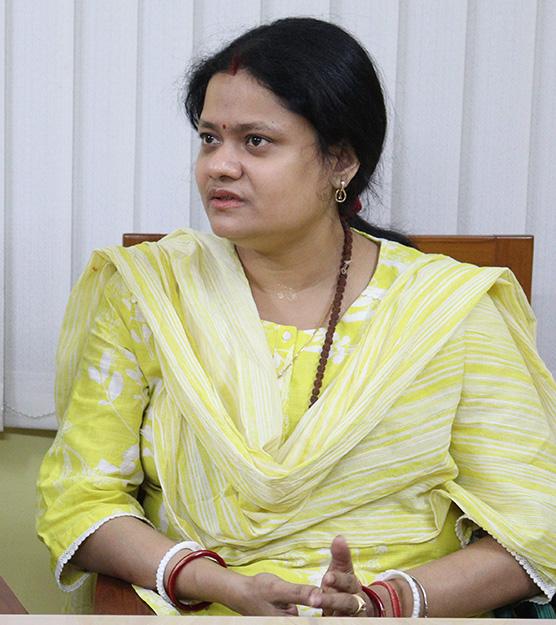
M.A.(Hons) in Geography at University of Calcutta.
writing-specific social work courses such as interviewing and documentation,
professional seminars, and writing modules in all BSW and MSW