
Ensuring Safety: A Deep Dive into Medical Emergency Protocols in Kolkata Senior Homes
The decision to choose a senior living facility for a parent or loved one in Kolkata is deeply emotional, laden with the hope for comfort, community, and, above all, safety. As we navigate this choice, the most critical question transcends amenities and location: “What happens in a medical emergency?” Understanding the medical emergency protocols in Kolkata senior homes is not just due diligence; it is a fundamental aspect of ensuring peace of mind. This comprehensive guide delves into the systems, standards, and safeguards that define exemplary emergency preparedness, empowering you to make an informed, confident decision.
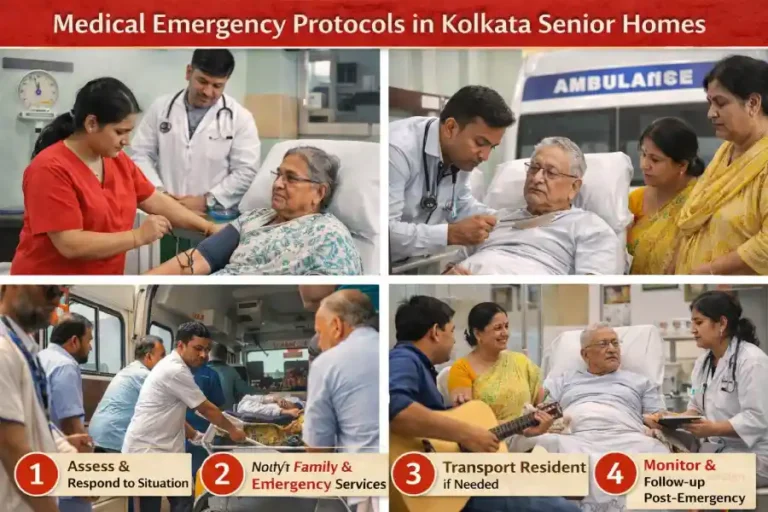
Why Robust Medical Emergency Protocols Are Non-Negotiable
Senior residents often manage complex chronic conditions like hypertension, diabetes, cardiac issues, and mobility challenges. A swift and systematic response during a health crisis—be it a fall, a stroke, a cardiac event, or a sudden infection—can mean the difference between recovery and catastrophe. Effective medical emergency protocols in Kolkata senior homes are designed to bridge the crucial gap between the onset of an incident and the arrival of advanced hospital care. They are a blend of pre-defined procedures, trained human response, and integrated technology.
The 5 Pillars of Effective Medical Emergency Protocols in Kolkata Senior Homes
When evaluating a facility, scrutinize these five core pillars that constitute reliable medical emergency protocols in Kolkata senior homes.
1. Immediate Response & First Aid Systems
The first few minutes are paramount. Top-tier homes have a clear “first responder” model. This means:
24/7 On-Site Staff Trained in First Aid & CPR: Not just caregivers, but security and administrative staff should be certified. Look for homes that conduct regular refresher courses.
Emergency Call Systems in Every Unit: This includes pull cords, wearable panic buttons (pendants or watches), and bed sensors. The system must be centrally monitored around the clock.
Clearly Defined Activation Procedure: The protocol should specify who is alerted (in-house nurse, manager), how (intercom, phone cascade), and what the immediate first-aid steps are.
2. On-Site Medical Expertise & Triage
The presence of on-site medical professionals elevates the emergency response in Kolkata elderly care significantly.
Qualified Nursing Staff: A registered nurse (RN) or a team of nurses available 24/7 can perform critical triage, administer prescribed emergency medications, and provide vital signs monitoring before an ambulance arrives.
Visiting Doctors: Regular visits by a general physician or specialists (geriatrician, cardiologist) ensure continuous health monitoring, potentially preventing emergencies.
Well-Equipped Medical Room: A dedicated sick bay or clinic with essential equipment (oxygen cylinders, nebulizer, stretcher, first-aid kits, ECG machine) is a strong indicator of preparedness.
3. Coordination with Advanced Healthcare Facilities
No senior home is a full-service hospital. Thus, a pre-established crisis management for Kolkata senior living must include external coordination.
Tie-ups with Multi-Speciality Hospitals: Reputable homes have formal agreements with nearby (preferably within 10-15 minutes) hospitals with emergency departments and ambulances on standby.
Clear Patient Handoff Procedures: The protocol should detail how medical records, medication lists, and known allergies are instantly transferred with the resident to the hospital.
Designated Escorts: Staff are assigned to accompany the resident to the hospital, ensuring seamless communication with family and doctors.
4. Staff Training & Drills
Protocols are only as good as the people executing them. Senior citizen safety in Kolkata hinges on continuous training.
Scenario-Based Drills: Regular mock drills for scenarios like cardiac arrest, falls, fires, and strokes keep the staff’s skills sharp and response time low.
Communication Training: Staff are trained to communicate calmly with the distressed resident, panicked family members, and precise instructions to ambulance services.
Documentation Training: Accurate, immediate incident reporting is crucial for legal and medical follow-up.
5. Family Communication & Post-Emergency Support
Transparency is the cornerstone of trust. A key part of medical emergency protocols in Kolkata senior homes is a clear family communication plan.
Immediate Notification: The protocol must state who in the family is contacted first and within what timeframe (immediately after stabilizing the resident).
Designated Spokesperson: A single point of contact (e.g., the facility manager or head nurse) provides consistent updates to avoid confusion.
Post-Emergency Review & Support: This includes counseling for the resident and family, a review of the incident to improve protocols, and assistance with insurance paperwork.
How to Evaluate a Facility’s Emergency Preparedness: A Checklist for Families
Don’t hesitate to ask direct questions during your tour:
“Can I see your written medical emergency protocol document?”
“What percentage of your direct care staff is certified in CPR and first aid? How often is training renewed?”
“Show me the emergency call system in this apartment. What is the average response time?”
“Which hospitals do you have formal tie-ups with? Can I see the agreement?”
“When was your last emergency mock drill? Can you describe the process for family notification during a crisis?”
Conclusion: Safety as the Foundation of Care
Choosing a senior home is about choosing a community that values dignity and life. The sophistication and reliability of its medical emergency protocols in Kolkata senior homes are the ultimate test of its commitment to resident welfare. By prioritizing facilities that demonstrate excellence in the five pillars outlined—immediate response, on-site expertise, hospital coordination, staff training, and clear communication—you are not just selecting a residence. You are securing a vigilant, prepared, and caring environment where your loved one can enjoy their golden years with the highest possible safety net. Your due diligence today is their safeguard for tomorrow.
Frequently Asked Questions (FAQs) on Medical Emergency Protocols
Q1: What is the most critical thing to look for in a senior home’s medical emergency plan?
A: The most critical element is 24/7 monitored emergency call systems coupled with staff trained to respond within minutes. A plan is useless without immediate activation. Ensure pull cords/panic buttons are present in all rooms, including bathrooms, and ask for their average response time data.
Q2: How do Kolkata senior homes handle emergencies at night or during staff shift changes?
A: Reputable homes have overlapping shifts and dedicated night staff, including at least one qualified nurse. The medical emergency protocols in Kolkata senior homes should be shift-agnostic, meaning the same standard operating procedure is followed regardless of the time, with clear handover notes between shifts to ensure continuity of care for high-risk residents.
Q3: Are senior homes in Kolkata legally required to have specific medical emergency protocols?
A: While specific national standards for senior care homes are evolving in India, the best homes in Kolkata adhere to international best practices and often obtain certifications (like NABH entry-level) that mandate stringent crisis management for Kolkata senior living. Legally, they operate under general healthcare service guidelines and contract law, making it imperative for families to scrutinize the protocols before admission.
Q4: Who bears the cost of ambulance transportation and initial hospital treatment during an emergency?
A: This varies. Typically, the cost of ambulance services (if not covered under the home’s tie-up) and all hospital treatment is borne by the resident/family. However, the initial first aid and on-site care are part of the facility’s service. It is crucial to clarify the financial emergency procedures in your contract and ensure the home assists with cashless hospitalization if you have mediclaim.
Q5: How are families kept informed during and after a medical emergency?
A: A robust protocol has a clear family communication plan. One primary and one secondary family contact are identified during admission. The protocol guarantees that this contact is notified immediately after the resident is stabilized on-site or as they are transported. The home should also appoint a single staff member to provide timely updates until a family member arrives at the hospital.
M.A.(Hons) in Geography at University of Calcutta.
writing-specific social work courses such as interviewing and documentation,
professional seminars, and writing modules in all BSW and MSW