
Emergency ICU Tie-Up for Seniors: A Lifesaving Guide for Families
In the golden years of life, medical emergencies can strike without warning. For seniors, swift access to Intensive Care can mean the difference between recovery and catastrophe. An Emergency ICU tie-up for seniors is not just a healthcare plan; it’s a vital lifeline that ensures immediate, priority admission to critical care during a crisis. This guide delves into why every family with elderly members must secure this partnership, how it works, and what to look for when choosing a facility.
For families in Kolkata seeking comprehensive care for their elders, the phrase “old age home in Kolkata“ represents a search for security, community, and specialized support.
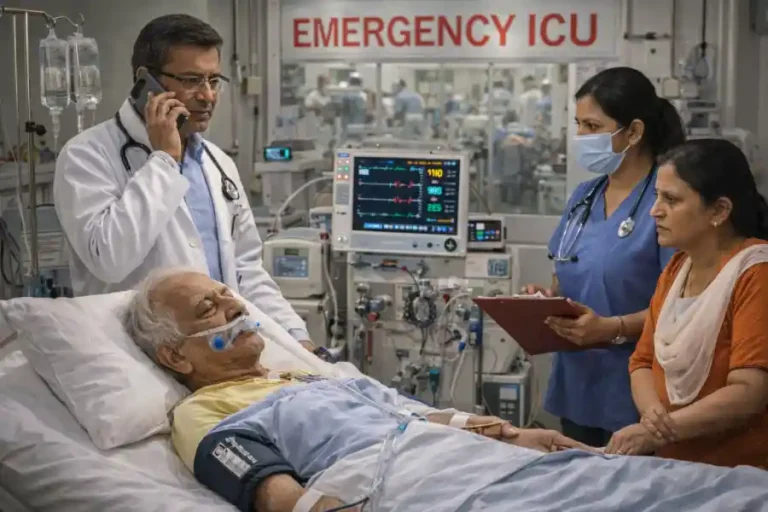
Understanding the Critical Need for ICU Tie-Ups in Elderly Care
As we age, our bodies become more vulnerable. Chronic conditions like hypertension, diabetes, heart disease, and COPD can escalate into life-threatening situations within minutes. During such emergencies, the first hour—the “golden hour”—is crucial. Wasting precious time scrambling for a hospital with an available ICU bed can lead to irreversible complications.
An Emergency ICU tie-up for seniors eliminates this delay. It is a pre-arranged agreement between a senior care service, retirement community, or individual family and a hospital, guaranteeing that a designated senior will receive immediate ICU admission if needed. This proactive approach is a cornerstone of responsible elderly care planning.
How Does an Emergency ICU Tie-Up Work?
The process typically involves these steps:
Enrollment: You enroll with a service provider (like a premium home healthcare agency or a senior living community) that has established tie-ups with multi-specialty hospitals.
Medical Documentation: The senior’s comprehensive medical history is shared with the partner hospital.
Priority Access Card/Documentation: The family receives a dedicated emergency contact number and a priority access card.
Activation During Crisis: In an emergency, a single call activates the protocol. The hospital is alerted, the ICU bed is reserved, and the medical team is prepped for arrival.
Seamless Admission: The senior is admitted directly to the ICU, bypassing typical emergency room delays.
Key Benefits of Securing an ICU Partnership for the Elderly
Zero Delay in Treatment: Immediate admission accelerates life-saving interventions.
Reduced Family Stress: Eliminates the panic of finding a hospital at the worst possible moment.
Continuity of Care: Partner hospitals receive prior medical records, enabling informed decision-making.
Financial Clarity: Many tie-up programs offer packaged rates or clear guidance on ICU costs, aiding in financial planning.
Comprehensive Care Ecosystem: These tie-ups are often part of larger senior wellness programs that include regular health monitoring, potentially preventing emergencies.
Choosing the Right ICU Tie-Up Facility: A Checklist
Not all Emergency ICU tie-up for seniors programs are created equal. Use this checklist when evaluating options:
Reputation of Partner Hospital: Research the hospital’s credentials in cardiology, neurology, and pulmonology—key specialties for seniors.
Response Time Guarantee: Does the provider specify an average response or activation time?
Geographic Proximity: The hospital should be within a 10-20 minute drive from the senior’s residence.
Scope of Coverage: Does it cover ambulance services? Is it valid 24/7?
Transparent Cost Structure: Understand all costs—enrollment fee, ICU costs, and any hidden charges.
The Importance of Your Decision
When dealing with life-and-death decisions, trust is paramount.
Experience: Choose providers with a long, verifiable track record in handling senior medical emergencies.
Expertise: Their team should include consultants, doctors, and case managers specializing in geriatrics.
Authoritativeness: Look for awards, media mentions, and partnerships with renowned hospitals.
Trustworthiness: Check for transparent client testimonials, clear terms of service, and a strong reputation in the community.
A robust Emergency ICU tie-up for seniors provides peace of mind, transforming a chaotic, terrifying situation into a managed, efficient medical response. It is an essential layer of protection for those who have cared for us all their lives.
Investing in such a plan is an act of love and responsibility. It ensures that when every second counts, your beloved senior is not left waiting.
FAQ: Emergency ICU Tie-Up for Seniors
1. What exactly is included in an Emergency ICU tie-up package?
Typically, the package guarantees priority admission to a partner hospital’s ICU during a life-threatening emergency. It often includes emergency coordination services, direct communication with the hospital, and pre-registration of medical records. Ambulance services and specific treatment costs may or may not be included, so it’s vital to confirm the details.
2. Is an ICU tie-up only for seniors living in old age homes or assisted living?
No. While many premium retirement communities offer this as part of their services, standalone home healthcare agencies and senior care platforms also provide Emergency ICU tie-up for seniors to individuals living in their private homes. It’s a service available to any family seeking to secure emergency care for their elderly members.
3. How quickly is the ICU bed activated after an emergency call?
Response times vary by provider, but a reputable service should activate the protocol within minutes of the emergency call. The goal is to have the bed reserved and the team ready by the time the patient arrives at the hospital, which is often within the “golden hour.”
4. Are chronic conditions like dementia or advanced arthritis covered under these tie-ups?
The tie-up itself is for emergency ICU access, regardless of the underlying condition. If a condition (like a severe heart attack in a dementia patient) requires critical care, the tie-up is activated. The coverage is for the emergency admission process, not for the specific disease.
5. Can we choose the hospital, or are we assigned to one?
Most providers have a network of partner hospitals. Depending on your location and the provider’s plan, you may be assigned to the nearest partner facility or given a choice from their network. It’s essential to verify the hospital’s reputation and specialties before enrolling.

M.A.(Hons) in Geography at University of Calcutta.
writing-specific social work courses such as interviewing and documentation,
professional seminars, and writing modules in all BSW and MSW