🧠 2026 Kolkata Family Guide
Mental Health Counseling for Seniors Facing Loneliness – 2026 Kolkata Family Guide
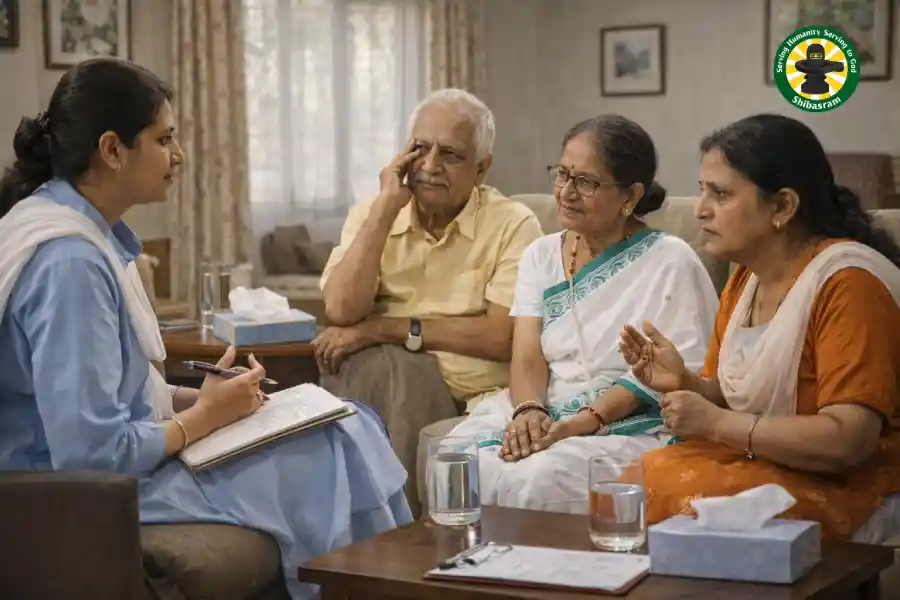
For many older adults, the silence of an empty room is more than a backdrop—it is a daily struggle. The pain of watching friends drift away, feeling like a burden, or losing a lifelong partner can be crushing. For families in Kolkata, this isn't just a sad reality; it's a major health crisis. Research from 2025 reveals that loneliness doesn't simply make seniors sad—it is linked to faster cognitive decline, depression, anxiety, and a higher risk of suicidal thoughts.
📘
This guide focuses on general emotional well‑being. If your loved one has dementia or Alzheimer’s and this loneliness stems from memory loss requiring round‑the‑clock, specialised care, please see
our dedicated resource at the end.
The Hidden Crisis: Before It Becomes a Crisis
Loneliness is often misinterpreted. The latest research shows that loneliness, as a subjective feeling of disconnection, may pose greater psychological and cognitive risks than objective social isolation (e.g., living alone). Prolonged loneliness affects stress hormones (HPA-axis), causes brain inflammation, and disrupts sleep, accelerating brain aging.
📊 Sobering numbers: A 2025 study of Indian seniors found that 46% who scored high on loneliness also had significantly higher rates of depression and anxiety, with rural women living alone being the most vulnerable. A 2026 meta-analysis confirms that treating depression is crucial, as depressive symptoms mediate loneliness and cognitive decline.
Your Toolkit: Proven Solutions for Kolkata Families
You don't have to navigate this alone. Modern mental health care offers specific, highly effective tools to help bridge the gap between loneliness and connection.
🧠 1. Cognitive Behavioral Therapy (CBT) CBT breaks the cycle of loneliness by teaching practical skills to challenge negative thoughts. A 2025 meta-analysis found CBT produces a "large effect" in reducing loneliness for community‑dwelling seniors. Digital CBT is also highly promising for homebound elders.
🏥 2. ACT & Telehealth Acceptance and Commitment Therapy (ACT) helps seniors accept painful emotions while committing to value‑driven actions. The "CONNECT Program" (6‑week group telehealth) specifically targets senior isolation. Structured behavioural interventions by phone prevent depression and save healthcare costs (£8 return per £1 invested).
👴 3. Social Prescribing Structured group activities – walking clubs, art classes, volunteering – are powerful antidepressants. Research consistently shows social engagement is the most consistent component for improving cognitive health.
📍 Where to Find Specialist Mental Health Support in Kolkata (2026)
🧡 Karuna Mindcare Foundation NGO founded by a Senior Consultant Psychiatrist (35+ years experience). Registered specifically to address the "psychological insecurity" of lonely seniors. Low‑cost, compassionate care.
🩺 Dr Era Dutta's Mind Wellness Located in Ballygunge. Offers services in Bengali, English, and Hindi – in‑person and online. General mental health practice with experience in geriatric care.
📞 First‑Resort Crisis Lines & Helplines Elder Line (National Helpline for Senior Citizens): 14567 (toll‑free) – government‑supported for grievance redressal and referrals.
Pension/Financial Helpline: 1800 3452 000 – for senior‑specific financial schemes.
When Mental Health Counseling Isn't Enough – We Are Here
We have built a comprehensive, empathetic ecosystem. However, for seniors whose loneliness is rooted in advanced dementia, confusion, or behavioural issues, community counseling can fail. If your loved one requires a secure, structured environment where loneliness is fought with 24/7 medical and social care, please consider our specialised memory care facility.
If your loved one has dementia or Alzheimer’s and requires specialised residential memory care in Kolkata, please visit our dedicated page:
👉 Old age home in Kolkata for dementia care →
❓ Frequently Asked Questions (FAQ)
1. What is the most effective therapy for loneliness in seniors?
Cognitive Behavioral Therapy (CBT) produces a large effect size in reducing loneliness. Digital CBT is also effective for homebound seniors.
2. How can I find a mental health counselor for my elderly parent in Kolkata?
Contact Karuna Mindcare Foundation, Dr Era Dutta's Mind Wellness, or call the national Elder Line (14567) for referrals and guidance.
3. Does loneliness increase the risk of dementia?
Yes – loneliness is linked to faster cognitive decline, brain inflammation, and higher Alzheimer's risk. Treating loneliness may slow decline.
4. What is social prescribing and how does it help?
Social prescribing connects seniors to group activities (walking clubs, art classes). Structured social engagement is one of the most effective ways to improve cognitive and emotional health.
5. When should I consider memory care instead of counseling for loneliness?
If loneliness is driven by advanced dementia, wandering, aggression, or inability to engage in talk therapy, a secure memory care facility with 24/7 social and medical support is the appropriate next step.
🌿
Final Advice – Loneliness Is Treatable, But Don't Wait
Loneliness is not a normal part of aging. With CBT, ACT, social prescribing, and the growing mental health resources in Kolkata, seniors can find their way back to connection. Start with a simple phone call – to a helpline, a counselor, or a community centre. And when loneliness is tangled with advanced dementia, know that memory care facilities provide the round‑the‑clock support that home and counseling cannot.
For families in Kolkata who need specialised dementia care, explore our memory care home:
👉
Old age home in Kolkata for dementia care →