Assisted Living with 24/7 Dietician Monitored Meals in Kolkata – 2026 Guide
Published: May 2026 | Reading time: 6 minutes
Proper nutrition is the foundation of healthy aging. For seniors in assisted living, meals are not just about taste – they are medicine. A 24/7 dietician monitored meal plan ensures that every bite supports chronic disease management, medication efficacy, and overall well‑being.
This guide explains why dietician‑supervised nutrition is critical for seniors, what to look for in an assisted living facility in Kolkata, and how such specialised care can transform quality of life. If you are searching for a community that prioritises medical nutrition therapy, read on.
This guide focuses on nutritional care in assisted living. If your loved one has dementia or requires 24/7 medical supervision, please see our main resource at the end.
1. Why 24/7 Dietician Monitoring Matters for Seniors
As we age, our nutritional needs change dramatically. Seniors often face:
- Reduced appetite – leading to unintentional weight loss and weakness.
- Chronic conditions – diabetes, hypertension, kidney disease, and dysphagia (swallowing difficulty).
- Medication interactions – certain foods can enhance or block drug effects.
- Dental issues – inability to chew hard or fibrous foods.
A one‑size‑fits‑all menu is not enough. 24/7 dietician monitored meals means:
- A qualified dietician assesses each resident’s medical history, allergies, and lab reports.
- Meal plans are adjusted in real time – if a resident’s blood sugar spikes, the next meal is modified.
- Texture‑modified diets (soft, minced, pureed) are available for those with swallowing problems.
- Regular weight and nutrition tracking prevents malnutrition before it becomes critical.
2. What “24/7 Dietician Monitored Meals” Includes in Practice
| Service | What It Means |
|---|---|
| Initial nutrition assessment | Dietician reviews medical records, height/weight, lab values (HbA1c, creatinine, albumin). |
| Personalised meal plans | Diabetic, low‑salt, low‑fat, renal, gluten‑free, Jain, soft/pureed – all accommodated. |
| Daily monitoring | Staff record food intake; dietician reviews weekly. Adjustments made immediately. |
| Specialised therapeutic diets | For pressure ulcers, post‑surgery recovery, cancer support, and dementia‑related eating difficulties. |
| Hydration management | Fluid balance monitored for those on diuretics or with heart/kidney conditions. |
| Family involvement | Regular updates on nutritional status and meal preferences. |
2026 insight: New research shows that seniors in dietician‑led programmes have 40% fewer hospitalisations for malnutrition and related infections.
3. How to Verify a Facility’s Dietician Services – Checklist
When visiting assisted living homes in Kolkata that claim “dietician monitored meals,” ask these questions:
- Is the dietician qualified? (Registered Dietitian (RD) or MSc in Clinical Nutrition.)
- How often does the dietician visit? Twice a week is minimal; 24/7 availability means on‑call or daily presence.
- May we see a sample meal plan for a diabetic resident?
- How do you handle food allergies (nuts, seafood, lactose)?
- What is the process for changing a meal plan when a resident’s health changes?
- Are family members allowed to speak with the dietician directly?
A transparent facility will answer all of the above without hesitation.
4. Who Benefits Most from 24/7 Dietician Monitored Meals?
| Condition | Why Dietician Monitoring is Critical |
|---|---|
| Diabetes | Prevents dangerous blood sugar swings; adjusts carbohydrates and timing. |
| Hypertension / Heart disease | Low‑sodium meals; monitors potassium and fluid balance. |
| Chronic Kidney Disease | Controls protein, phosphorus, and potassium – prevents dialysis progression. |
| Dysphagia (swallowing problems) | Provides texture‑appropriate meals (minced, pureed) to prevent choking and aspiration pneumonia. |
| Malnutrition / Unintended weight loss | High‑calorie, nutrient‑dense meals with frequent small portions. |
| Dementia | Finger foods, colour‑contrasted plates, and adaptive utensils – dietician trained in dementia care. |
If your loved one has one or more of these conditions, an assisted living facility without 24/7 dietician monitoring may be unsafe.
5. Example: A Day of Dietician‑Monitored Meals in a Premium Kolkata Assisted Living Home
- Morning: Blood sugar check; breakfast – low‑GI oats with nuts, no sugar tea.
- Mid‑morning: High‑protein smoothie for a resident with recent weight loss.
- Lunch: Soft khichuri with mashed vegetables (low‑salt, pureed) for a dysphagia patient; regular dal‑roti for others.
- Evening: Fruit platter (low‑glycemic fruits for diabetics).
- Dinner: Fish curry (without bones), steamed rice, and a side of sautéed greens – modified texture as needed.
- Bedtime: Warm milk (diabetic: no sugar) or a hydrating oral nutritional supplement.
The dietician logs intake, updates the plan weekly, and communicates with the family doctor.
6. Cost of Assisted Living with 24/7 Dietician Services in Kolkata (2026)
Such premium care comes at a higher cost than basic homes. Typical ranges:
| Room Type | Monthly Fee (₹) | Includes Dietician? | Deposit (refundable) |
|---|---|---|---|
| Shared non‑AC | 25,000 – 32,000 | Visiting dietician (1‑2x/week) | 2 – 4 lakhs |
| Private non‑AC | 32,000 – 42,000 | On‑call dietician, daily monitoring | 4 – 8 lakhs |
| Private AC | 45,000 – 65,000 | 24/7 dietician supervision, personalised plans | 8 – 15 lakhs |
Always ask: Are supplements (protein powders, oral nutritional drinks) included or extra? Some homes charge separately.
7. Frequently Asked Questions (FAQ)
No – for healthy, independent seniors, a standard meal plan may suffice. However, for those with chronic conditions or frailty, 24/7 monitoring prevents hospitalisations.
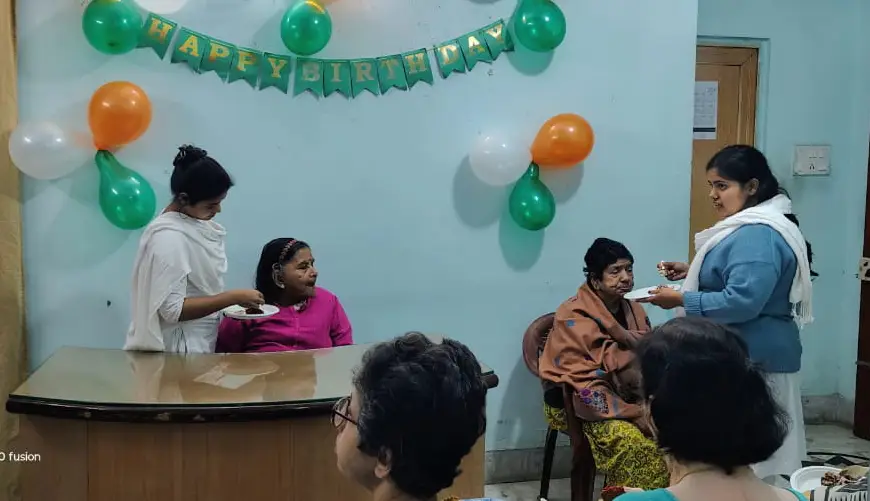
Most homes allow it, but it should be approved by the dietician to avoid interfering with medical plans. For example, a small sweet for a birthday is fine, but regular outside food may disrupt treatment.
Ask to see the resident’s weight chart, lab reports (if available), and any notes on changes in appetite or energy. A good facility shares monthly nutrition summaries with families.
The dietician will assess the reason (taste, texture, fear, depression). They can modify recipes, offer smaller portions, or involve a counsellor. Forced feeding is never the answer.
24/7 dietician monitoring is typically found in premium assisted living or specialised nursing homes. Basic old age homes may have a visiting dietician once a month at most.
8. When Assisted Living with Dietician Support Is Not Enough – Dementia Care
Even the best nutritional plan cannot compensate for a lack of safety in advanced dementia. If your loved one:
- Wanders at night or leaves the premises
- Becomes aggressive during meal times
- Forgets how to swallow (high risk of choking)
- Refuses all food and requires tube feeding
… then a standard assisted living home is not safe, regardless of dietician supervision. You need a specialised memory care unit with 24/7 behavioural support and medical staff trained in dysphagia management.
For families who need specialised dementia care or a fully equipped memory care home in Kolkata, please visit our main facility:
👉 Old age home in Kolkata for dementia care
For general information on assisted living and premium senior care, see our comprehensive guide: Luxury retirement home for senior citizens in Kolkata.
🍽️ Find Assisted Living with 24/7 Dietician Care in Kolkata
We combine medical nutrition therapy with compassionate support – for diabetes, kidney disease, dysphagia, and more.
Explore Our Assisted Living Community →