Safe Female-Only Memory Care: Safety, Dignity & Emotional Comfort for Women
Published: April 2026 | Reading time: 8 minutes
When a mother, grandmother, or elderly aunt develops dementia, the question of where she should live becomes urgent. For many women — especially widows, or those from generations where modesty was never negotiable — a female-only memory care environment is not a luxury. It is the difference between constant anxiety and genuine peace.
This guide explains why women with dementia often need a different kind of care, what a truly female-only facility should look like, and how families can evaluate one before making a decision.
What This Guide Covers
Why Dementia Care for Women Is Different
Women are more likely to develop dementia than men — partly because they live longer, partly because of hormonal factors. But statistics are only half the story. Women face specific challenges that are rarely discussed openly.
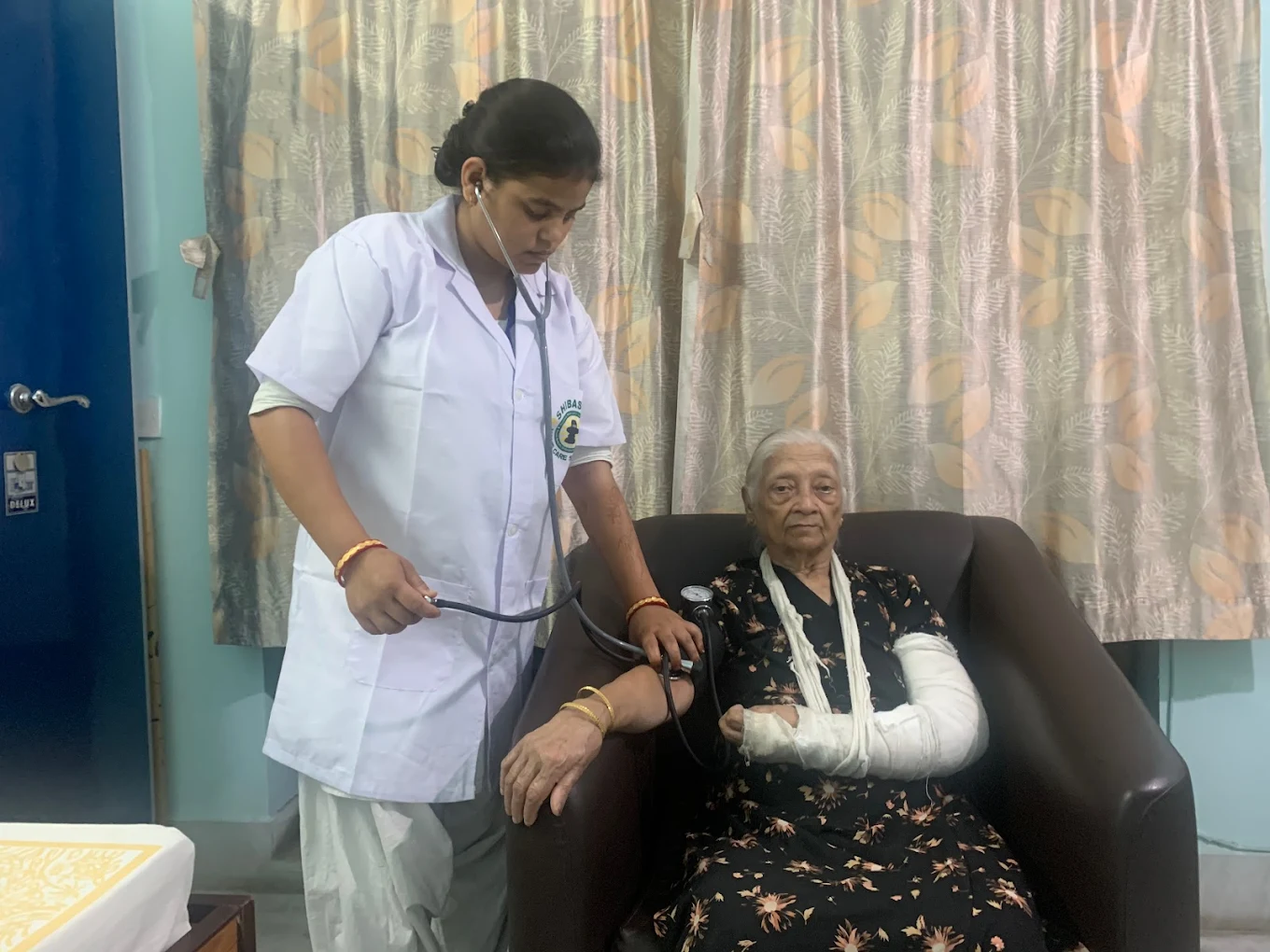
In today's world, many women living with dementia face unique challenges, especially when they live alone or their family is far away or they have lost close family members. They often need a safe and supportive care space that respects their dignity. Women-only care environments can offer that safety. With female staff, female security, and a women-only space, patients can feel calmer and less anxious. It also reduces stress and helps them keep their sense of privacy and comfort. With trained female nurses and doctors, care routines can be handled with patience and respect. For example, some patients feel uncomfortable with male caregivers. So a women-only setup can make daily routines easier and more dignified.
What Women with Dementia Commonly Experience
- Higher risk of urinary tract infections — which dramatically worsen dementia symptoms, and are best managed by female caregivers trained in female hygiene.
- Discomfort in mixed-gender environments — many elderly women feel anxious or embarrassed when male staff or male residents are nearby.
- Deep privacy concerns — bathing, dressing, and toileting become distressing when a male caregiver is involved.
- Past trauma — a significant number of elderly widows have experienced domestic abuse; they often shut down around unfamiliar men.
- Different emotional needs — women frequently respond better to female voices, gentle touch, and familiar activities like cooking, knitting, or group prayers.
What Female-Only Memory Care Really Means
A genuine female-only memory care facility is not simply a segregated wing of a mixed old age home. It is a purpose-built environment where every aspect of daily life is designed around women's needs.
In a true female-only setup:
- Sleeping areas and bathrooms are exclusively for women.
- All personal care — bathing, dressing, toileting — is handled by female nurses and caregivers.
- Male visitors and doctors enter living spaces only with advance notice and a female staff chaperone.
- Cultural and religious practices are respected without restriction.
This is not about excluding men. It is about creating a space where elderly women feel genuinely safe, relaxed, and free to be themselves.
5 Signs a Woman with Dementia Needs Female-Only Care
Not every woman with dementia needs a female-only facility. But if you recognise two or more of the following, it may be the safest choice:
- She refuses care from male staff — becoming aggressive, withdrawn, or fearful.
- She expresses shame or distress during bathing or clothing changes.
- She has a history of domestic violence or sexual trauma (sadly common among elderly women).
- She wanders and becomes disoriented in mixed-gender common areas.
- Your family cannot provide 24/7 female-only supervision at home.
Benefits of a Female-Only Memory Care Environment
| Benefit | How It Helps |
|---|---|
| Physical safety | No risk of harassment or abuse from male residents or staff. |
| Emotional comfort | Women feel more relaxed, less guarded, and more able to express themselves. |
| Better personal care | Female caregivers understand female hygiene — peri-care, breast health, menopause-related issues. |
| Social bonding | Shared life experiences — motherhood, household management, long friendships — create natural connection. |
| Religious & cultural freedom | Women can pray, cook under supervision, celebrate festivals, and follow daily rituals without restriction. |
How to Evaluate a Female-Only Memory Care Facility
Ask these eight questions before choosing any facility for your mother or grandmother:
- Is the home exclusively female, or just a separate floor? Exclusive facilities are safer and culturally more appropriate.
- What is the staff gender ratio at night? Ideally 100% female for personal care and nighttime reassurance.
- Are male doctors allowed inside resident rooms? If yes, what is the protocol — prior notice, female staff present at all times?
- Do they offer female-centric activities? Saree draping, mehendi, Rabindra Sangeet, cooking memories, knitting circles.
- How do they handle bathing and toileting for advanced dementia? Should be trained female staff only.
- Is there a female psychiatrist or psychologist on call? Many elderly women only open up to women.
- Can male family members visit freely? Visiting rules should be clear but not isolating.
- What is the nighttime emergency protocol? Female nurses on duty, panic buttons, and clear hospital tie-ups.
For a verified list of female-friendly memory care options with costs and locations, visit our main dementia care home guide.
The Role of Female Caregivers
The emotional labour of female staff in memory care cannot be overstated. They often act as daughters, companions, and trusted confidantes — not just nurses.
A good female-only facility invests heavily in its caregivers. Look for:
- Formal training in validation therapy, sundowning management, and trauma-informed care.
- Low staff turnover — consistency builds trust, especially for women with dementia who struggle with unfamiliar faces.
When you visit, ask how long the current caregivers have been working there. Long-tenured female staff are one of the strongest signs of a well-run facility.
Common Family Fears — And How Female-Only Care Addresses Them
| What Families Worry About | How Female-Only Care Helps |
|---|---|
| "Will my mother be exploited?" | All-female staff, CCTV in common areas, strict visitor protocols. |
| "She feels embarrassed changing clothes." | Female-only changing areas, same-gender assistance, preserved dignity. |
| "She keeps asking for her mother." | Female staff use therapeutic touch, gentle reassurance, and reminiscence therapy. |
| "I can't visit daily." | Female residents often form a sisterhood — reducing loneliness and anxiety naturally. |
Cost of Female-Only Memory Care (2026 Estimate)
Monthly costs typically range from ₹25,000 to ₹60,000, depending on room type (shared or private), nursing care level, and dementia stage.
What is usually included:
- 24/7 female nursing aide
- Three meals plus snacks daily (vegetarian and non-vegetarian options)
- Laundry, housekeeping, and security
- Basic physiotherapy and medication management
What may cost extra: specialist doctor visits, music or art therapy, hospital transport, and advanced dementia care such as one-to-one sitting.
Always ask for a written fee breakdown before admission. Prices vary significantly between facilities, and transparent pricing is a sign of a trustworthy provider.
Mrs. Sen, 78, a widow with advanced Alzheimer's, was first admitted to a mixed facility. She screamed whenever male staff entered her room. The family moved her to a female-only memory care home. Within two weeks, she was smiling again, eating properly, and humming old songs. During evening agitation, a female caregiver held her hand until she settled. Her son finally slept through the night.
Important: Female-only care is not the right choice for every woman. Some are comfortable with male caregivers and have no history of trauma. The decision should be based on your loved one's personality, history, and specific behaviours — not assumptions.
Final Word — Dignity Above Everything
Choosing a memory care home is never easy. When the patient is a woman — especially a widow, or someone from a generation where modesty was paramount — a female-only environment can be the difference between constant distress and genuine peace.
If you are searching for a safe female-only memory care setting, start by visiting at least two facilities. Watch how the female staff speak to residents. Listen to your own instincts. And remember: the right home will feel less like an institution and more like an extended family.
For a safe, respectful, and women-only environment, explore our complete dementia care guide — with details on female-only wings, trained caregivers, and family support.