
Home Safety Guide for Seniors: Room-by-Room Checklist
Falls are a leading cause of injury among older adults. In India, approximately one-third of seniors experience a fall each year. The good news is that most falls are preventable. This comprehensive home safety guide will help you identify and eliminate hazards in every room, creating a safer environment for your elderly loved ones.
Free Consultation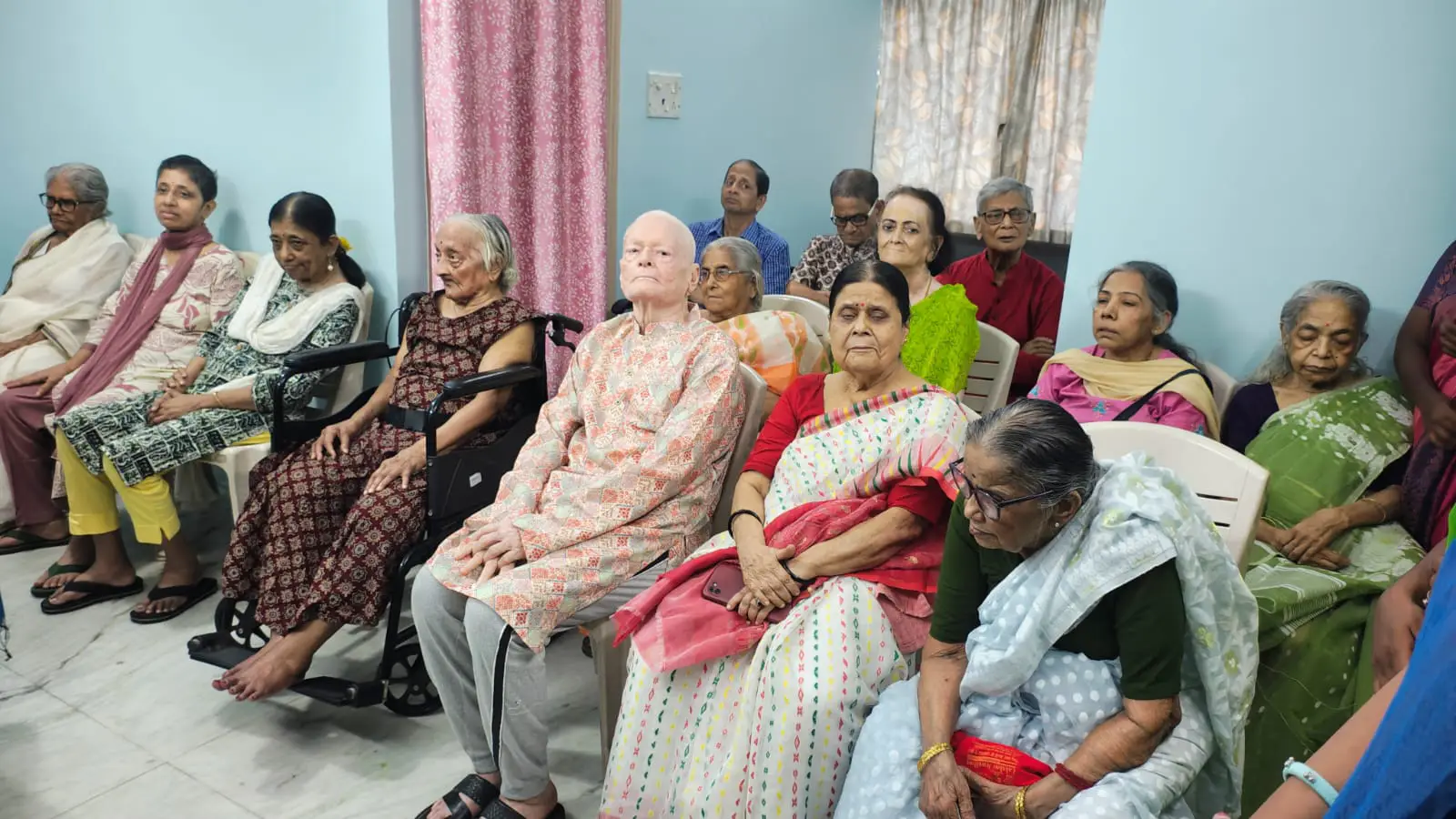
Why Home Safety Matters for Seniors
More than one-third of people aged 65 and older fall each year, and those who fall once are two to three times more likely to fall again. In India, approximately one-third of older adults experience falls annually.
At least one-third of all falls in the elderly involve environmental hazards in the home. Poor housing quality significantly increases fall risk in older Indians, suggesting that housing interventions may be effective fall prevention strategies.
The good news is that most falls are preventable. With simple home modifications and safety measures, you can significantly reduce the risk of falls and injuries. This home safety guide for seniors will help you create a safer living environment.
General Home Safety Tips for Seniors
Before we go room-by-room, here are some universal safety tips that apply to every area of the home.
Improve Lighting
- Replace dim bulbs with bright LED lights in hallways, stairs, and bathrooms
- Use motion-sensor nightlights to automatically illuminate pathways at night
- Ensure light switches are easily accessible at room entrances
Remove Tripping Hazards
- Remove or secure loose rugs with non-slip backing
- Keep pathways clear of clutter, cords, and furniture
- Tuck electrical cords along walls, not across walkways
Wear Proper Footwear
- Wear supportive shoes with backs and good grip
- Avoid walking in socks or loose slippers on slippery floors
- Consider non-slip socks with grip dots on the bottom
Keep Essentials Within Reach
- Place frequently used items at waist level
- Avoid reaching high shelves or bending low for heavy items
- Use a reacher/grabber tool for hard-to-reach items
Bathroom Safety Checklist
The bathroom is where most falls occur. These modifications can make it much safer.
Grab Bars
- Install grab bars near the toilet and inside the shower
- Secure bars to wall studs for reliable weight-bearing support
- Consider a raised toilet seat with arm supports
Non-Slip Surfaces
- Place non-slip mats inside and outside the tub/shower
- Use non-slip floor tiles or apply non-slip wax
- Keep bathroom floors dry and clean
Lighting
- Use bright, glare-free lighting in the bathroom
- Install motion-sensor nightlights for nighttime trips
- Keep a nightlight on at all times
Shower Safety
- Use a shower chair or bench if standing is difficult
- Install a handheld showerhead with an easy-grip handle
- Consider a walk-in tub or shower with a low threshold
Kitchen Safety Checklist
The kitchen can be a hazard zone for seniors. Here's how to make it safer.
Fire Safety
- Install a smoke detector and fire extinguisher
- Avoid wearing loose clothing while cooking
- Never leave cooking unattended
Accessible Storage
- Keep frequently used items at waist level
- Use a step stool with handrails if needed
- Store heavy items on lower shelves
Easy-to-Use Fixtures
- Replace knobs with lever-style handles
- Use a jar opener for tight lids
- Consider appliances with easy-to-read controls
Clean & Clear
- Keep floors clean and dry
- Clean up spills immediately
- Ensure clear pathways between counters and appliances
Bedroom Safety Checklist
A safe bedroom promotes restful sleep and reduces nighttime fall risks.
Bed Safety
- Ensure the bed is at a comfortable height for easy entry and exit
- Use a bed rail or grab bar if needed for support
- Keep a phone and lamp within easy reach
Nighttime Safety
- Use motion-sensor nightlights along the path to the bathroom
- Keep a flashlight by the bed
- Ensure clear pathways with no clutter
Clutter-Free
- Keep floors clear of clothes, shoes, and other items
- Store items in accessible drawers and closets
- Avoid storing items on the floor
Living Room Safety Checklist
The living room should be a comfortable, safe space for relaxation and socialising.
Furniture Placement
- Arrange furniture to create clear, wide walking paths
- Choose chairs with armrests for easier standing
- Avoid furniture with sharp edges or corners
Cord Management
- Keep electrical cords along walls, not across walkways
- Use cord covers or tape to secure cords
- Avoid overloading power strips
Floor Safety
- Remove loose rugs or secure them with non-slip backing
- Avoid putting rugs on top of rugs
- Check for curled rug edges that can cause tripping
Stairs & Hallways Safety Checklist
Stairs and hallways are high-risk areas that require special attention.
Handrails
- Install sturdy handrails on both sides of stairways
- Ensure handrails extend beyond the top and bottom steps
- Check that handrails are securely fastened
Lighting
- Use bright lighting at the top and bottom of stairs
- Install light switches at both ends of stairways
- Use motion-sensor lights in hallways
Step Visibility
- Mark the edges of steps with contrasting tape or paint
- Keep stairs free of clutter and objects
- Repair any loose or uneven steps immediately
Outdoor Safety Checklist
The outdoors present unique challenges. These tips will help keep seniors safe outside.
Walkways
- Keep walkways clear of leaves, ice, and debris
- Repair cracked or uneven pavement
- Install ramps for raised thresholds
Handrails
- Install handrails on both sides of outdoor steps
- Ensure handrails are weather-resistant and secure
- Consider a railing along the front walkway
Outdoor Lighting
- Install motion-sensor lights at entrances and along pathways
- Ensure porch and entryway lights are bright and working
- Use solar-powered pathway lights
Dementia-Specific Home Safety
For seniors living with dementia, additional safety measures are needed to prevent wandering, confusion, and injury. A dementia care home in Kolkata like Shibasram Trust provides specialised environments, but if your loved one is at home, these tips are essential.
Prevent Wandering
- Install door alarms or sensors that alert you when a door opens
- Place locks high or low on doors, out of typical line of sight
- Use visual cues like STOP signs or curtains on exterior doors
- Keep car keys and shoes out of sight
Prevent Accidents
- Lock up medications, cleaning products, and sharp objects
- Lower the water heater temperature to prevent burns
- Use childproof latches on cabinets with hazardous items
- Remove or secure loose rugs and clutter
Create Safe Pathways
- Create an indoor walking path through the home
- Use motion-sensor lights in frequently used areas
- Label doors and rooms with clear signs or symbols
- Maintain consistent daily routines to reduce anxiety
Low-Cost Home Modifications for Seniors
You don't need a big budget to make a home safer. These low-cost modifications can make a significant difference.
Lighting Upgrades
- Replace dim bulbs with bright LED lights
- Add motion-sensor nightlights in hallways and bathrooms
- Use plug-in nightlights in bedrooms and bathrooms
Bathroom Safety on a Budget
- Place non-slip mats inside and outside the tub
- Install a raised toilet seat with arm supports
- Add a shower chair for safe bathing
Remove Hazards
- Remove loose rugs or secure them with non-slip backing
- Tuck cords along walls to prevent tripping
- Declutter walkways and remove unnecessary furniture
Simple Fixes
- Apply non-slip tape to stairs and slippery floors
- Replace door knobs with lever handles
- Install grab bars near the toilet and in the shower
Conclusion: A Safe Home is a Happy Home
Creating a safe home environment for seniors is one of the most important things you can do to protect their health, independence, and quality of life. With approximately one-third of older adults in India experiencing falls each year, and at least one-third of falls involving environmental hazards in the home, the case for home safety is clear.
Simple modifications—improving lighting, removing tripping hazards, installing grab bars, and securing rugs—can significantly reduce fall risk. For seniors with dementia, additional measures like door alarms and secure storage are essential.
If you need additional support, Shibasram Trust offers comprehensive senior care, including dementia care home in Kolkata services, assisted living, and 24/7 nursing support. We provide a safe, compassionate environment where your loved ones can thrive.
Explore Shibasram's trusted senior care services:
📍 Santoshpur, Kolkata | 24/7 nursing | Home-like environment
Frequently Asked Questions
Need Senior Care Support?
Shibasram Trust provides compassionate senior care, assisted living, and specialized dementia care in a safe, home-like environment in Kolkata.
Call +91 99038 14392📍 Santoshpur, Kolkata | Free pre-admission assessment