
Understanding and Managing Decision Fatigue in Elderly Parents: An Expert Guide
As our parents age, we often notice subtle changes in their behavior. Perhaps your father, once a decisive businessman, now spends twenty minutes staring at a restaurant menu. Or your mother, who managed a household for decades, seems overwhelmed by a simple doctor’s appointment. These aren’t necessarily signs of cognitive decline; often, it is a result of Decision Fatigue in Elderly Parents.
In 2026, with the complexity of digital healthcare, financial management, and social choices, the mental load on seniors has never been higher. Understanding this phenomenon is crucial for caregivers to provide empathetic and effective support.

What is Decision Fatigue?
Decision fatigue is the psychological phenomenon where the quality of decisions made by an individual declines after a long session of decision-making. For seniors, the “session” is life itself. Every small choice—what to wear, what to eat, which pill to take—depletes a finite bank of mental energy.
When Decision Fatigue in Elderly Parents sets in, you might notice:
Avoidance: They put off making important choices.
Impulsivity: They make snap judgments just to get the process over with.
Irritability: They become frustrated when asked for their opinion.
Decision Paralysis: They feel completely frozen when faced with options.
Why Seniors are More Vulnerable
Age brings wisdom, but it also brings a different neurological pace. The prefrontal cortex, responsible for executive functions, naturally experiences changes. Furthermore, the modern world is “noisy.”
Medical Complexity: Managing multiple prescriptions and specialist appointments is exhausting.
Technological Barriers: Navigating apps or digital portals for basic needs adds a layer of stress.
Loss of Autonomy: The fear of losing independence makes every decision feel high-stakes.
Addressing Decision Fatigue in Elderly Parents requires a shift from “doing everything for them” to “simplifying the environment for them.”
Strategic Ways to Reduce the Mental Load
1. The Power of Routine (Reducing Choice Architecture)
The best way to combat fatigue is to eliminate the need for a decision. Establishing a “low-friction” daily routine helps preserve mental energy for the things that actually matter, like hobbies or family time.
Meal Planning: Have a set menu for breakfast and lunch.
Wardrobe Simplification: Organize closets so that “what to wear” is a non-issue.
2. The “Rule of Two”
Instead of asking, “What do you want for dinner?” (which provides infinite choices), ask, “Would you prefer Grilled Fish or Chicken Soup?” This limits the cognitive load while still respecting their autonomy.
3. Front-Loading Important Decisions
Energy levels are typically highest in the morning. Schedule medical consultations or financial discussions before noon. By 4 PM, Decision Fatigue in Elderly Parents is usually at its peak, leading to “sundowning” symptoms or extreme irritability.
Why This Matters for Caregivers
In the realm of senior care, Experience, Expertise, Authoritativeness, and Trustworthiness (E-E-A-T) are the pillars of quality care. When we discuss Decision Fatigue in Elderly Parents, we aren’t just talking about psychology; we are talking about the lived experience of millions of families.
As a caregiver, your “Expertise” grows through observation. Your “Trustworthiness” is built by creating a safe space where your parents don’t feel judged for their exhaustion.
The Role of Professional Support
Sometimes, the environment itself is the source of the fatigue. A home that requires constant maintenance, cooking, and cleaning creates a never-ending cycle of micro-decisions. This is where specialized environments come into play.
By transitioning to a structured setting, the burden of “survival decisions” is lifted, allowing seniors to focus on “thriving decisions.”
Senior Care Home Kolkata: A Local Perspective
If you are searching for a senior care home Kolkata, it is essential to look for facilities that prioritize cognitive ease. The best centers in West Bengal provide a blend of traditional hospitality and modern geriatric care. A reputable senior care home Kolkata will offer structured daily activities, professional meal management, and 24/7 medical supervision. This reduces the daily friction that leads to Decision Fatigue in Elderly Parents, ensuring they spend their golden years in comfort, surrounded by a community that understands their unique emotional and psychological needs.
5 Frequently Asked Questions (FAQ)
Q1: Is decision fatigue the same as Dementia? No. While they can coexist, decision fatigue is a state of mental exhaustion. Dementia is a chronic decline in cognitive function. However, reducing decision fatigue can significantly improve the mood of a person with Dementia.
Q2: How can I tell if my mother is suffering from decision fatigue? Look for signs of “checked-out” behavior late in the day, or if she starts saying “I don’t care” or “You decide” to things she used to be passionate about.
Q3: Can diet affect decision-making in the elderly? Absolutely. Stable blood sugar levels are vital for brain function. Dehydration or low glucose can mimic and worsen Decision Fatigue in Elderly Parents.
Q4: Should I take away all their choices to help them? No. That leads to “Learned Helplessness.” The goal is to simplify choices, not to remove their agency. Always provide at least two options.
Q5: Are there apps to help manage this? There are simplified pill-reminder apps and calendar alerts, but for many seniors, low-tech solutions like whiteboards or printed schedules are more effective and less stressful.
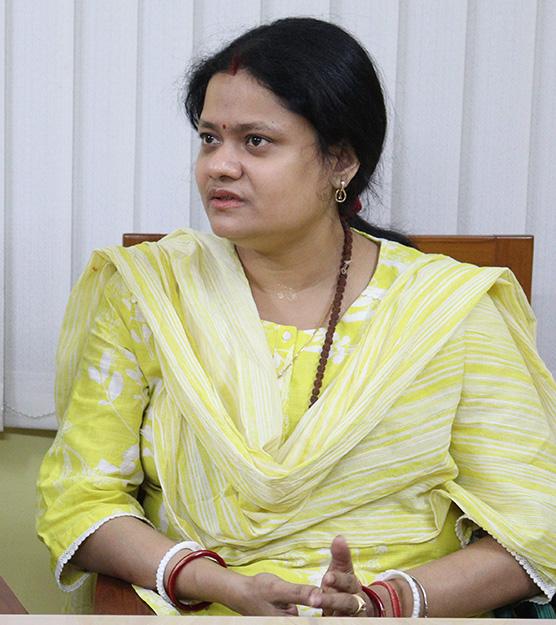
M.A.(Hons) in Geography at University of Calcutta.
writing-specific social work courses such as interviewing and documentation,
professional seminars, and writing modules in all BSW and MSW