Dementia and Incontinence: A Complete Caregiver's Guide
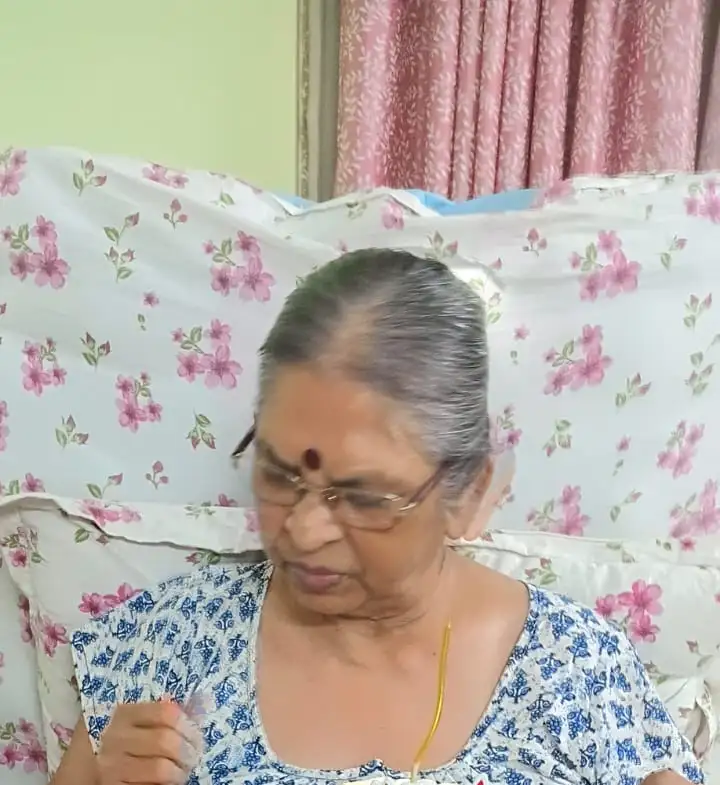
A daughter in Kolkata once told us something she had never said out loud before. "I can handle the forgetting. I can handle the confusion. But the first time my mother had an accident and looked at me with that expression — as if she had failed me — I broke. Not because of the mess. Because of her face."
That moment is what this guide is really about. Incontinence in dementia is discussed in clinical terms — bladder control, toileting schedules, protective products. But the part families actually struggle with is the emotional weight: watching someone you love lose dignity in small, daily ways, and not knowing how to give it back to them.
This guide addresses both. The practical and the human.
Table of Contents
Why Incontinence Happens in Dementia
Incontinence is not stubbornness. It is not laziness. It is not a sign that your parent has stopped trying. It is the brain losing its ability to send, receive, or act on signals that most of us never think about.
A person with dementia may not recognise the sensation of a full bladder. They may forget where the bathroom is even in a home they have lived in for forty years. They may feel the urge but cannot form the words to say it in time. They may try to walk to the toilet and find their legs will not cooperate.
There are also medical causes that families often miss — and some of them are reversible:
- Urinary tract infections (UTIs), which are extremely common in seniors
- Constipation, which presses on the bladder
- Medication side effects, especially diuretics and sedatives
- Dehydration, which irritates the bladder
This is why the first step is always a medical review, not a behavioural one. A UTI caught early can restore continence within days. Missing it can lead to weeks of unnecessary suffering.
Practical Strategies for Managing It at Home
The good news is that small, consistent changes make a bigger difference than expensive equipment. What matters most is rhythm, accessibility, and calm.
1. Build a Toileting Routine, Not a Toileting Question
Offer to take your parent to the toilet every two to four hours. The exact timing matters less than the consistency. A predictable pattern — after breakfast, before lunch, mid-afternoon, after evening tea, and before bed — gives the brain a rhythm to follow.
Do not ask "Do you need the toilet?" because the answer is almost always "no," even when the body says otherwise. Instead, say "Let's walk to the bathroom together" and go with them. Framing it as a shared walk removes the pressure and the sense of being tested.
2. Make the Bathroom Impossible to Miss
Clear the path to the toilet of clutter and furniture. Keep a night light on in the corridor. Put a simple picture of a toilet on the door instead of words — visual cues work when verbal ones no longer do. Consider leaving the bathroom door open when not in use so the room stays visible.
A raised toilet seat, grab rails beside the toilet, and a bedside commode for nighttime use all reduce the physical effort involved. When effort is reduced, accidents decrease.
3. Choose Clothing That Helps, Not Hinders
Elastic waistbands. Velcro fastenings. Loose-fitting trousers. These are your allies. Buttons, zips, belts, and tight waistbands add seconds to the process — and seconds matter.
If your parent has worn a particular style of clothing all their life, try to find similar garments with easier fastenings. This preserves familiarity without sacrificing practicality.
- Swap tights for pop socks — removes one entire step
- Avoid trousers with multiple buttons or buckles
- Keep a clean change of clothes in the bathroom
- Choose darker colours that hide small accidents with dignity
- Keep a waterproof mattress protector on the bed at all times
- Have a small basket of absorbent products ready near the toilet
4. Manage Fluids — But Never Restrict Them
Restricting fluids is a common mistake families make. It does not work, and it causes dehydration, UTIs, and confusion — all of which make incontinence worse.
Instead, focus on timing. Encourage regular drinking through the day. Reduce fluid intake in the two to three hours before bedtime. Cut back on caffeine and fizzy drinks, which irritate the bladder and increase urgency. Increase fibre to prevent constipation.
5. Use Protective Products Without Shame
Absorbent pads, pull-up pants, mattress protectors, and waterproof sheets are not signs of failure. They are tools that protect skin, sleep, and dignity. Modern products are discreet and comfortable.
Wherever possible, involve your parent in choosing them. Let them pick the brand, the style, the colour. Autonomy matters, even in small decisions. It reminds them that they still have a say in their own life.
Protecting Dignity During Difficult Moments
Accidents will happen. When they do, your response matters more than any product or routine.
- Stay calm. Your face and tone communicate more than your words. If you look frustrated, they will feel ashamed.
- Never blame. Avoid "Why didn't you tell me?" or "You should have gone earlier." These sentences stay with a person even when they forget everything else.
- Give privacy where possible. Close the bathroom door even if you are inside helping. Maintain normalcy.
- Involve them in small decisions. Let them choose what to wear next, whether to sit in the chair or on the bed, whether to have water or tea.
- Break tasks into small steps. "Let's pull down your trousers" is easier to follow than "Let's get you cleaned up."
Even when communication is limited, people with dementia sense tension and shame in the room. A warm, matter-of-fact approach tells them: this is not a crisis, this is not your fault, and we are handling it together.
When Home Care Stops Being Enough
There is no single moment when home care stops working. It is usually a slow realisation: you are sleeping badly, accidents are becoming more frequent, your parent seems more anxious at night, and you are quietly afraid of what might happen when you cannot be there.
That does not mean you have failed. It means the needs have changed — and the level of support has to change with them.
Professional dementia care offers things that are very difficult to replicate at home:
- 24/7 nursing supervision — critical for nighttime continence care and skin integrity
- Structured toileting schedules designed by dementia-trained staff, not improvised by a tired family member
- Secure environments that reduce wandering and confusion — both common triggers for accidents
- Skin care protocols that prevent rashes, infections, and pressure sores
If you are exploring options, ask specific questions. What is the staff-to-resident ratio on the night shift? How are toileting routines individualised? How does the facility handle night-time continence care? Is there a dedicated memory care unit with secured exits? Does the staff have formal dementia training?
What Professional Dementia Care Looks Like in Kolkata
For families in Kolkata, there are specialised facilities that combine clinical care with a homely environment. A good dementia care home in Kolkata should offer 24/7 registered nursing, on-call physician support, a dedicated memory care wing with secured exits, and staff trained in validation therapy and behavioural management.
Look for a place that treats incontinence not as an inconvenience, but as a clinical and emotional issue that requires patience, routine, and dignity. The best homes will have a toileting schedule for each resident, skin care protocols, and a calm, respectful approach to personal care.
When the time comes to consider residential care, the goal is not to replace family. It is to add a layer of professional support that keeps your parent safe — and keeps you healthy enough to remain present in their life. You can read more about complete dementia patient care strategies that many Kolkata families use alongside professional support.
A Final Word for Caregivers
If you are reading this at 2 AM after cleaning up an accident, wondering whether you are doing enough — you are doing more than enough. Incontinence is not a reflection of your care. It is a symptom of a disease that neither of you chose.
What matters most is not preventing every accident. It is how you treat your parent after one. With calm. With warmth. With the same respect you would want if the roles were reversed.
That is the part you can control. And it is the part they will remember — even when they forget everything else.