Sundowning in Dementia: Why Evenings Change Everything
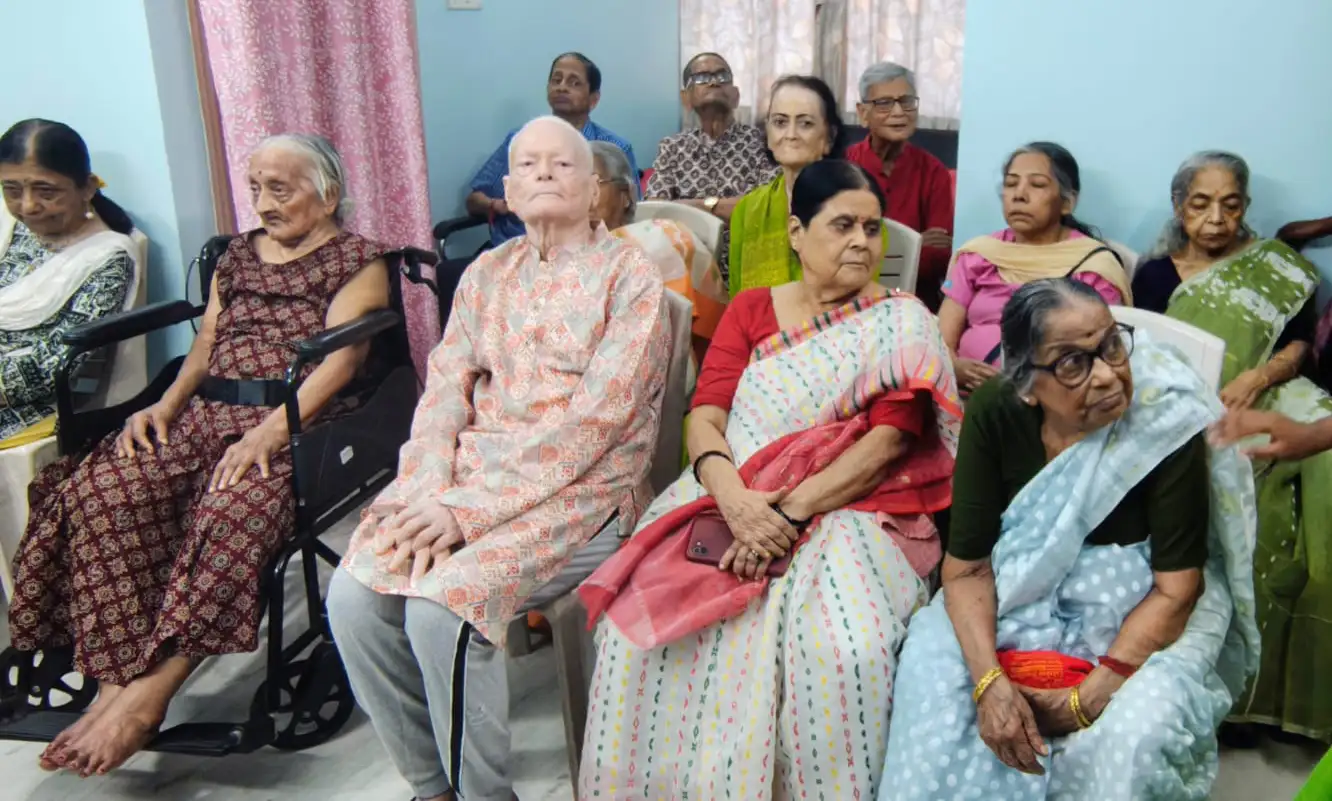
A son from Ballygunge once described it like this. "During the day, my father is still my father. He tells old stories, complains about the cricket, asks about my children. But by five o'clock, something shifts. He starts pacing. He looks at the living room like he has never seen it before. He asks me who I am. And every single evening, the same question — 'When are we going home?' We are already home. He just does not know it anymore."
This pattern has a name. Clinicians call it sundowning. Families call it the worst part of the day. It affects a majority of people living with moderate and advanced dementia, and it is one of the most exhausting, misunderstood, and poorly managed symptoms of the disease.
This guide is written for Kolkata families who are living this reality every evening. It explains what sundowning actually is, why it happens, and what you can do about it — practically, tonight.
Table of Contents
What Sundowning Really Is
Sundowning is a predictable worsening of confusion, agitation, and disorientation that begins in the late afternoon and continues into the night. The person may become restless, suspicious, fearful, or emotional. They may pace, cry, accuse, or try to leave the house.
By morning, they are often back to baseline. Many patients have no memory of the previous evening's distress. This is what makes sundowning so difficult for families — the person you spent the evening trying to calm does not remember that evening at all.
It is important to understand one thing clearly: sundowning is not a behavioural choice. Your parent is not being difficult. They are not manipulating you. They are experiencing a neurological symptom of dementia, one that reflects real changes happening inside the brain. Understanding this is the difference between managing sundowning well and managing it poorly. If you want a broader understanding of what professional support looks like for these stages, you can read more about specialised dementia care in Kolkata.
The Evening Timeline
Sundowning follows a recognisable rhythm. Knowing it in advance lets you prepare rather than react.
3:00 PM — Subtle Changes Begin
Your parent becomes slightly more restless. They repeat questions. They seem less focused. This is the ideal window for calming interventions, because you still have time to influence the evening.
4:00 PM to 6:00 PM — Peak Agitation
Confusion intensifies. Pacing, suspicion, and anxiety rise. This is when wandering attempts, angry outbursts, and refusal to eat most commonly occur. As daylight fades, symptoms worsen.
6:00 PM to 9:00 PM — Night Confusion
Time and place become disoriented. Your parent may not recognise familiar surroundings. They may insist on leaving the house. They may believe it is morning. Sleep resistance begins.
9:00 PM to 6:00 AM — Sleep Disturbance
Difficulty falling asleep. Frequent waking. Attempts to get out of bed and wander. This is the highest-risk period for falls, injuries, and leaving the house unnoticed.
Morning — Baseline Returns
By morning, most patients return to their usual state. They may seem completely normal. The cycle repeats the next evening.
Symptoms Families Notice First
Every person with dementia experiences sundowning differently, but most families recognise several of these symptoms appearing together in the evening hours.
On the cognitive side, there is increased confusion about time and place, difficulty recognising familiar people, repeating the same questions, and believing it is morning at night. On the emotional side, anxiety and fear appear without clear cause, followed by sudden crying, irritability, or suspicion that people are stealing or lying. Many patients express a wish to "go home" even while sitting in their own living room.
Behaviourally, the person may pace, shadow you constantly, attempt to leave the house, refuse to eat dinner, hide or hoard objects, or become physically aggressive in severe cases. Sleep symptoms include difficulty falling asleep, frequent waking, getting out of bed, and day-night reversal.
Why It Happens
Sundowning is rarely caused by a single factor. It is usually the result of several overlapping triggers affecting an already vulnerable brain.
The most important cause is disruption of the body's internal clock. Dementia damages the suprachiasmatic nucleus — the small region of the brain that regulates our sleep-wake cycle. As a result, the brain loses track of day and night, and confusion peaks when light fades.
Layered on top of this are fatigue, hunger, dehydration, overstimulation, unfamiliar environments, pain, and medication side effects. A dementia patient who has spent the day trying to process information is running on empty by evening. Their threshold for confusion drops, and small triggers — a loud television, a new face, a missed snack — can set off a full episode.
Common Triggers at Home
Some triggers are universal. Others are specific to Kolkata households.
Evening television news, with its loud voices and emotionally charged content, is one of the most common triggers. So are family arguments, sudden changes in routine, unfamiliar visitors arriving late, and dark corridors with shadows. Dinner served too late, too many instructions at once, and being rushed to bed before feeling sleepy all contribute. Physical restraint dramatically escalates agitation. Arguing with confused statements makes everything worse.
Identifying your parent's specific triggers is one of the most effective things you can do. Most families find that two or three triggers account for the majority of episodes.
What Actually Helps
These strategies are used by professional dementia caregivers. Start with a few and see which ones make the biggest difference for your parent.
Morning and Daytime
Get your parent outside in the morning sun for twenty to thirty minutes before 9 AM. This resets the body clock. Encourage physical activity — a short walk, gentle stretching, or household tasks. Limit daytime naps to under thirty minutes and before 2 PM. Serve the main meal at midday, not evening. Provide structured activity: music, folding clothes, looking at photographs.
Late Afternoon Preparation
Turn on all room lights before sunset, not after. Close curtains early to reduce the contrast between indoor and outdoor light. Reduce noise — lower the television or switch it off. Serve a small afternoon snack at 4 PM to prevent hunger-triggered agitation. Aim for an early, light dinner around 6 PM. Avoid heavy, oily, or spicy food at night.
Evening Calming
Play familiar music — old Bengali or Hindi songs, bhajans, Rabindra Sangeet. Sit quietly with your parent; presence matters more than conversation. Hold their hand. Use a calm, slow voice and short sentences. If they insist on going home, redirect gently: "Let's have tea first, then we'll go." Offer warm milk with turmeric as a familiar bedtime ritual. A gentle hand or foot massage is deeply calming.
Bedtime Routine
Keep the sequence identical every night — wash, change, light snack, prayer, bed. Use a dim night light in the bedroom and bathroom. Place a familiar object nearby: a photograph, a favourite shawl, a soft toy. Sit with them until they fall asleep. Secure doors and windows quietly. Keep a bell or monitor in the room so they can call you without getting up.
- Morning sunlight resets the body clock — 20-30 minutes before 9 AM
- Lights on before sunset, not after
- Consistent bedtime sequence every single night
- Familiar music works better than conversation
- Redirect — never argue with confused statements
- Secure exits quietly to prevent night wandering
The One Thing Most Families Miss
Of everything you can change tonight, lighting is the simplest, cheapest, and most effective intervention — and almost no one does it properly.
Sundowning is triggered partly by the brain misreading fading light as a sign that something is wrong. When rooms become dim and shadows lengthen, the dementia patient loses the visual cues that help them recognise familiar surroundings. Faces look strange. Objects seem unfamiliar. The house stops feeling like home.
The solution is to switch on all room lights before sunset — ideally by 4 PM — and use warm, even lighting rather than harsh white overhead bulbs. Light corridors and the bathroom early. Close curtains to reduce contrast. Add a dim night light in the bedroom and bathroom. Avoid dark corners and unlit passageways entirely.
Consistent, bright evening lighting tells the brain the environment is safe and unchanged. It reduces disorientation and preserves the patient's ability to recognise familiar people and rooms. It is not a cure, but it is one of the most powerful tools you have — and it costs almost nothing.
What Makes It Worse
Some of the most natural reactions from family members actively worsen sundowning. Avoid them.
Do not argue or correct. If your parent says it is morning, do not insist it is night. Do not physically restrain them — restraint dramatically escalates fear and aggression. Do not raise your voice; loud voices feel threatening to a confused brain. Do not turn on loud television or music. Do not rush them to bed. Do not give sedatives without medical advice — they cause falls, worsen confusion, and can trigger paradoxical agitation. Do not leave them alone in an unsafe room. Do not discuss their condition in front of them, even if they seem unaware. And most importantly, do not take their accusations personally. The anger and suspicion are symptoms, not the person you love.
Kolkata-Specific Challenges
Kolkata households face a few challenges that make sundowning harder to manage than in other cities.
Joint family dynamics mean multiple opinions about how to handle the patient — and conflicting responses confuse them further. Agree on a single approach and communicate it clearly to everyone in the household, including domestic help.
Evening processions, loudspeakers, festival preparations, and construction noise frequently trigger agitation. Soundproofing, earplugs, or calming music can mask external noise.
In Bengali households, dinner preparation often happens in the evening. If your parent wanders into the kitchen during this time, gas and burn risks are high. Keep the kitchen door closed or ensure direct supervision.
Kolkata's humid evenings worsen restlessness. Ensure the room is well ventilated, use a fan or AC, and offer cool water frequently — dehydration aggravates confusion.
Finding a night attendant who genuinely stays awake is difficult in Kolkata. Many sleep on duty. If night supervision cannot be guaranteed, professional facility care may be safer than home care. Families in this situation often explore a trusted dementia care facility with awake night staff and structured evening routines, or a professional memory care centre that can manage night-time risk safely.
When to Call a Doctor
Sudden worsening of confusion is not always the disease progressing. In elderly dementia patients, the most common causes of sudden confusion are urinary tract infections, chest infections, constipation, dehydration, and pain — all of which are treatable.
Call a doctor if symptoms appeared suddenly rather than gradually, if confusion has been worse than usual for more than 48 hours, if there is fever, cough, or burning urination, if your parent has not passed stool for three or more days, if there are signs of dehydration such as dry mouth and dark urine, if there is unexplained pain or a new injury, if a recent medication change preceded the worsening, or if aggression could injure your parent or the caregiver. Do not assume all worsening is simply disease progression. Reversible causes should always be ruled out first.
A Closing Word
Sundowning is one of the most distressing symptoms of dementia. It turns the evening hours — which should be a time of rest — into a daily battle. The confusion, accusations, and agitation can leave even the most patient caregiver feeling defeated.
But sundowning is not unmanageable. With the right combination of lighting, routine, diet, environment, and calm communication, many families reduce episodes significantly. And when home strategies are no longer enough, professional care provides the safety net families cannot sustain alone.
Three things to remember. Sundowning is a neurological symptom, not a behavioural problem — your parent is not being difficult on purpose. Sudden worsening needs medical attention, because reversible causes are common. And your exhaustion matters. If you have not slept properly for two weeks, the care itself is at risk. Asking for help is not failure. It is the responsible thing to do.
If evenings have become unsafe — wandering attempts, falls, or aggression — or if you have not slept properly for several nights, professional support is essential. Families in this situation often explore residential dementia support in Kolkata, Alzheimer's care with 24/7 nursing, or a trusted elderly care facility that provides awake night staff and secure memory care. Speaking to a professional team can help you assess your situation honestly and find the safest way forward — whether that means better home strategies or a transition to residential care.