Guidance for Families Navigating a Loved One's Dementia Diagnosis
Advice for families dealing with the diagnosis of dementia in a loved one
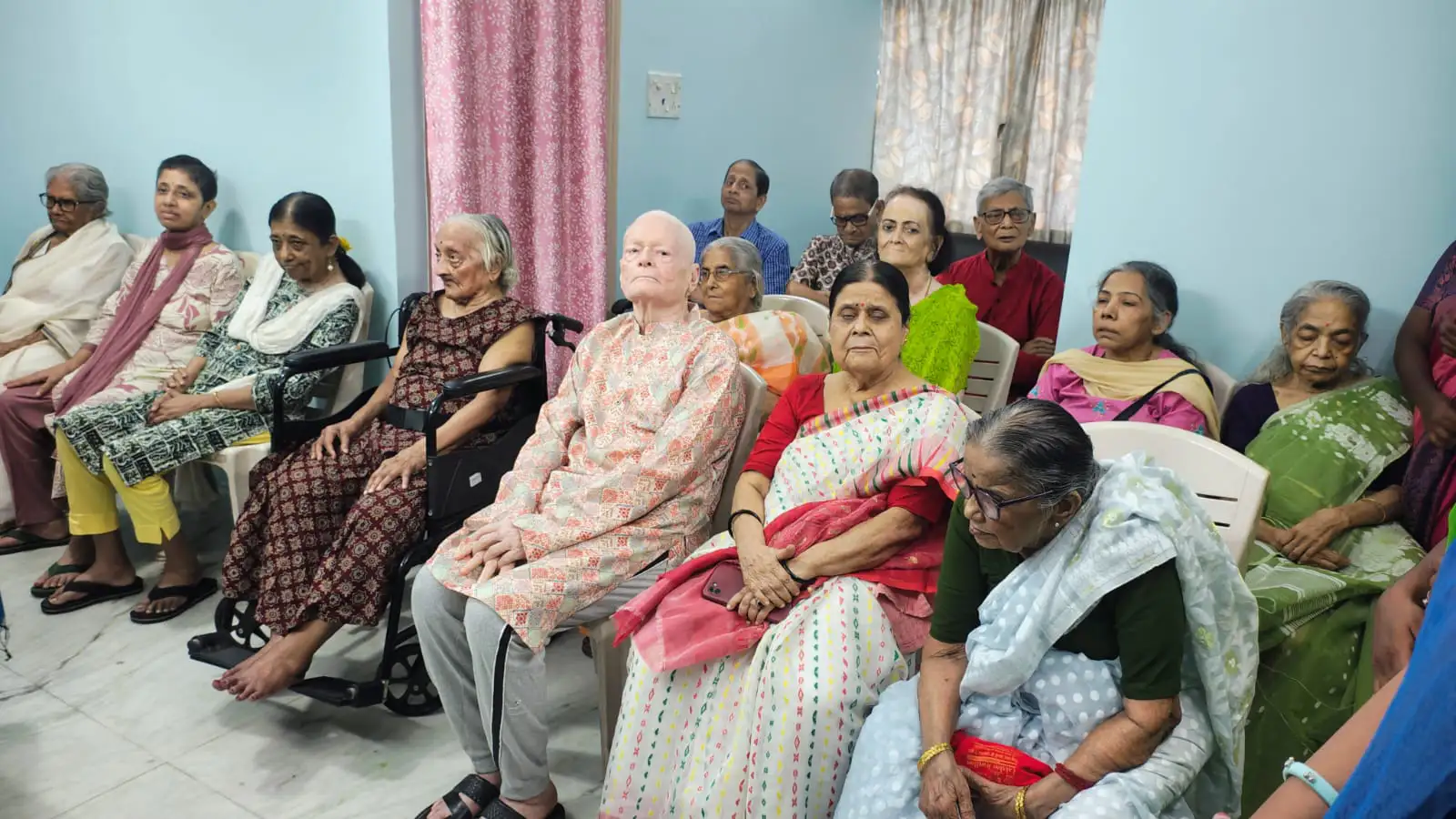
When a doctor first says the word "dementia," most families remember exactly where they were standing, what the room smelled like, and how suddenly the air felt heavier. It is not just a diagnosis — it is the moment the future tilts. Plans shift. Roles reverse. And a quiet question settles in: what do we do now?
There is no perfect answer, and no family gets it all right. But there is a way forward — one built on understanding, honest communication, and the kind of love that shows up even on the hardest days. Below is a guide to help you take the next steps, not perfectly, but purposefully.
What You'll Find Here
Become Informed
Fear grows loudest in the absence of facts. The more you understand what dementia is — and what it is not — the less it feels like an unpredictable storm. Learn about the different types, the stages, the symptoms, and the care options. Knowledge will not remove the pain, but it will replace panic with preparation. It will help you ask better questions, spot changes earlier, and make decisions from a place of understanding rather than fear.
Seek Assistance
You do not have to carry this alone — and you should not. Reach out to dementia support groups, both in your city and online. Talk to families who are walking the same road. Their stories will comfort you, their mistakes will teach you, and their courage will quietly strengthen yours. Sometimes the most healing sentence in the world is simply, "We understand. We've been there too."
Take Care of Yourself
Caregiving is not a sprint — it is a long, winding road with no clear finish line. And a caregiver who ignores their own health, sleep, and emotions will eventually have nothing left to give. This is not selfishness; it is sustainability. Share responsibilities. Accept help. Take real breaks. Say yes to respite care when it is offered. A rested caregiver is a better caregiver — and a healthier human being.
Put Quality of Life First
Dementia may take away memories, but it cannot take away the ability to feel joy in the present moment. A favourite song, a familiar taste, a hand held in silence — these small treasures remain. Focus less on what has been lost and more on what can still be shared. Dignity lives in these moments. And so does love.
Communicate with Compassion
As words become harder to find, the way we speak matters even more. Use a calm voice, short sentences, and gentle eye contact. Do not correct every mistake or rush every silence. Instead, meet your loved one where they are — in their moment, in their reality. Often, they are not looking for the right answer. They are looking for reassurance that they are still understood, still valued, still loved.
Make Future Plans
Difficult conversations held early are far kinder than difficult decisions made in crisis. Talk about legal and financial matters while your loved one can still participate. Discuss medical preferences, care options, and end-of-life wishes. Document everything. These conversations are heavy, but they are also a gift — they protect your family from chaos later and honour your loved one's voice while it can still be heard.
Recognize Everyday Achievements
Do not wait for big victories. In dementia care, progress is measured in small, quiet wins — finishing a meal, recognising a face, laughing at an old joke. Notice these moments. Celebrate them out loud. What might look ordinary to the outside world can be monumental on this journey. And your recognition of them says something powerful: your efforts matter, and so do you.
Remain Adaptable to Change
Dementia is not a straight line — it curves, doubles back, and surprises even the most prepared families. What works this month may not work next month, and that is not failure. It is the nature of the condition. Stay flexible. Adjust routines when needed. Let go of rigid expectations. Hold on to what matters most: comfort, connection, and calm. The road will change — and so will you. That is not weakness. That is love, adapting.
If you are searching for trusted support and a complete step-by-step roadmap, explore our detailed guide on Shibasram dementia care Kolkata — designed to help families like yours find clarity, comfort, and confidence at every stage.