The 4 R’s of Dementia Care: Reassure, Reconsider, Redirect & Relax
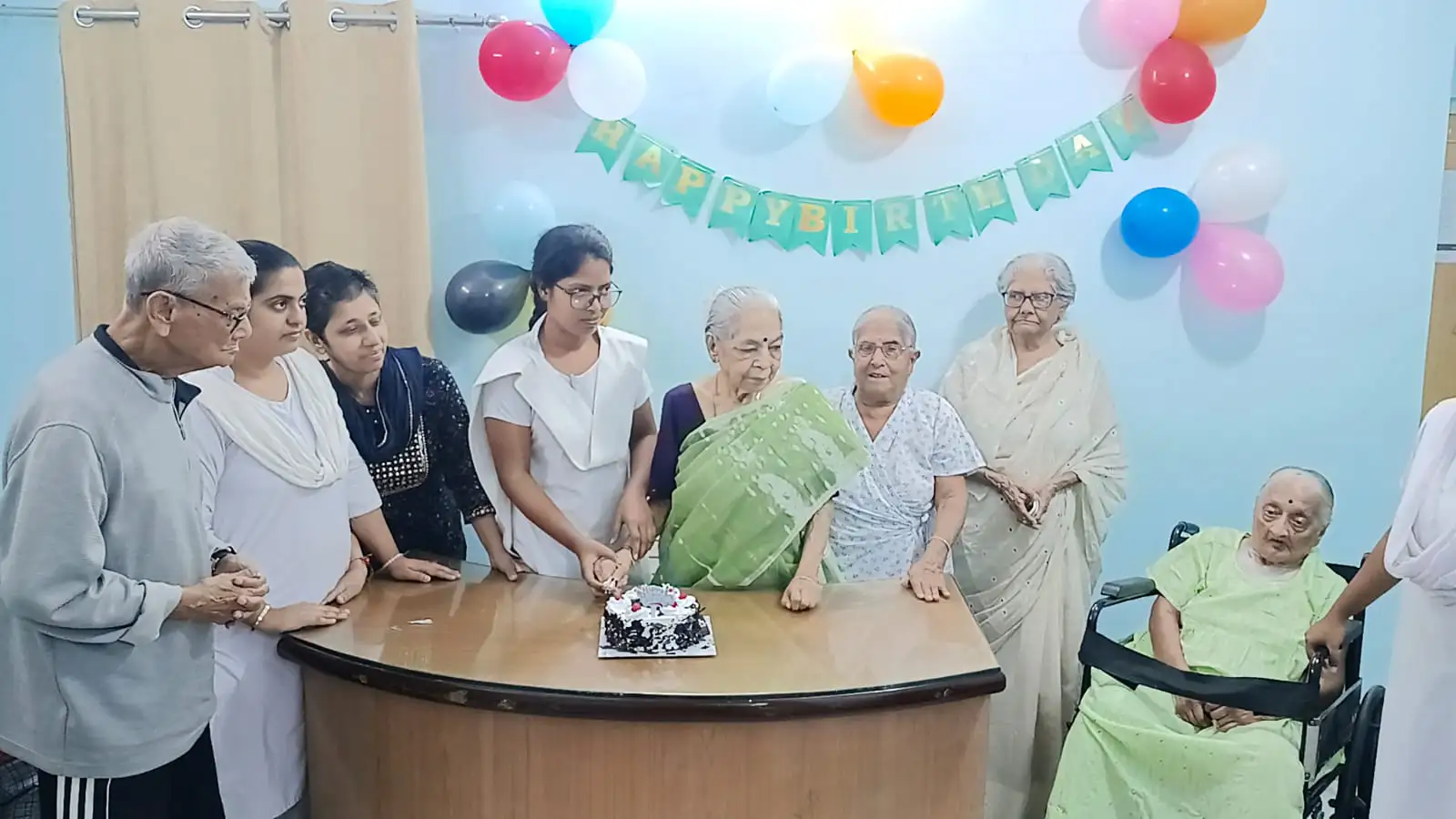
There is a moment every dementia caregiver remembers — the first time a loved one looked at them and saw a stranger. Or accused them of stealing something they never touched. Or cried for a parent who passed away decades ago. In that moment, logic fails. Arguments fail. Even love, on its own, fails. What works instead is not a medical technique — it is a way of being. The 4 R's of dementia care — Reassure, Reconsider, Redirect, and Relax — were not created to control behaviour. They were created to protect connection. And in dementia care, connection is everything.
Table of Contents
Reassure
Behind almost every difficult dementia behaviour — the anger, the tears, the repeated questions, the refusal to eat — there is a feeling the person cannot name. Fear. Confusion. Loneliness. They are living in a world that no longer makes sense, and they are searching for something solid to hold onto. Your role is not to correct their reality. Your role is to become their anchor inside it.
Some Advice for Comforting Your Special Someone:
- Regular presence: Often, words do nothing. Sitting beside them, holding a hand, or simply being in the room quietly can calm a storm faster than any explanation. Presence is reassurance.
- Positive reinforcement: When they remember a name, finish a meal, or smile at an old song, say it out loud — "That's wonderful, I love that you remembered." Praise is not childish for them. It is dignity restored.
- Keep up your routine: Predictability is medicine. Waking up at the same time, eating at the same table, walking the same path — these rituals quietly whisper to the brain, "You are safe. You are home."
Reconsider
Families often ask, "Why doesn't he just do it the way he used to?" The honest answer is — because the brain that did it that way no longer exists. Reconsidering does not mean lowering your standards. It means changing the question: not "How do I get them back to normal?" but "What does normal look like today?"
Techniques to Reevaluate Your Strategy:
- Communicate differently: If long sentences confuse them, use fewer words. If words confuse them, use gestures. If gestures confuse them, use touch. Communication is not a script — it is a bridge, and you must be willing to build it from whichever side they're standing on.
- Adjust activities: A 12-piece puzzle they can still solve brings more joy than a 100-piece puzzle they cannot. Choose activities that match ability, not history.
- Modify the surroundings: Dim lights, loud TVs, and cluttered rooms all add to the noise inside their head. A calm environment is a caregiver's most underrated tool.
For families learning to truly see the person behind the illness, understanding the importance of personalized attention in dementia care is a turning point.
Redirect
You cannot win an argument with dementia. If your loved one insists it is 1985 and they must pick up their children from school, no amount of facts will convince them otherwise. And forcing them to accept reality only makes them feel attacked. Redirect is the art of leaving the argument entirely — and inviting them into a gentler moment instead.
How to Redirect Effectively:
- Take up a novel activity: "Let's look at your old wedding photos while we wait." A memory from a distant past is often more accessible — and more comforting — than the confusing present.
- Change the subject: "I love your garden. Tell me about those flowers." Redirect through curiosity, not correction.
- Use humor: A gentle joke can dissolve a tense moment faster than any explanation. Laughter is redirection, and it is medicine for both of you.
Redirection works best when it is rooted in the person's real life — their hobbies, their old job, their favourite songs. This is why families who prioritize personalized attention in dementia care so often report smoother days and fewer meltdowns.
Relax
Here is the truth no one tells new caregivers: your loved one's mood is often a reflection of yours. When you are tense, they feel unsafe. When you are rushed, they panic. When you are calm, something in them settles. This is not your fault — but it is your responsibility. And it begins with the hardest caregiving task of all: taking care of yourself.
Advice for Keeping Your Space Calm:
- Take care of yourself: Take real breaks. Leave the house sometimes. Let someone else step in. A caregiver who has nothing left cannot give anything. Rest is not a reward — it is a requirement.
- Create a serene atmosphere: Soft lighting, comfortable chairs, familiar sounds. Home should feel like a soft place to land, not a hospital waiting room.
- Practice mindful breathing: When your loved one is spiralling and you feel yourself tightening — breathe. Slowly. Quietly. Your calm is contagious in the same way their anxiety is.
The 'Relax' stage is not optional — it is the foundation of long-term caregiving. Families who ignore it quickly face caregiver burnout and self-care crises that affect everyone in the household.
Conclusion
The 4 R's are not tricks. They are not techniques to "manage" someone with dementia. They are a way of meeting a human being where they are — frightened, confused, and still deserving of dignity. When you Reassure instead of correct, Reconsider instead of insist, Redirect instead of argue, and Relax instead of react — you give your loved one something dementia cannot take away: the feeling of being safe, seen, and loved.
And when the day comes — as it often does — when the needs become more than a family can manage alone, there is no shame in seeking a higher level of care. In fact, it can be the most loving decision of all. A structured, compassionate dementia care home in Kolkata can provide the 24/7 support, medical supervision, and emotional steadiness that no single caregiver can sustain forever.