Celebrating Doctor's Day Through Dementia Patient Activities
Discover 7 meaningful activities to celebrate Doctor's Day with dementia patients. Music, sensory stimulation, reminiscence, arts, and more — all designed to bring joy, connection, and healing.
Free Consultation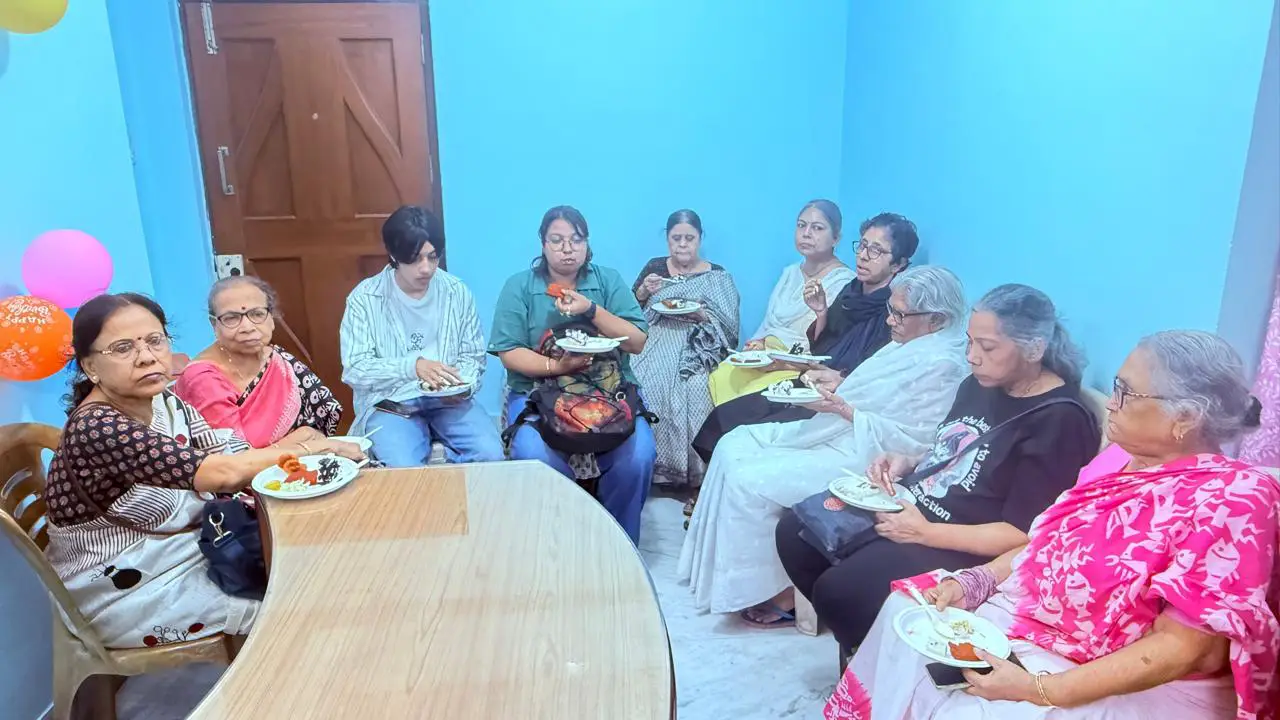
Table of Contents
- Introduction
- Why Doctor's Day Matters
- Therapeutic Power of Activities
- Activity #1: Music & Sing-Along
- Activity #2: Sensory Stimulation
- Activity #3: Reminiscence Therapy
- Activity #4: Arts & Crafts
- Activity #5: Gentle Movement
- Activity #6: Storytelling
- Activity #7: Gardening
- How to Plan an Event
- Role of Caregivers
- Conclusion
- FAQs
Introduction: A Day to Honour Healers and Heal Through Activities
Every year on July 1st, India celebrates National Doctor's Day to honour the selfless service of doctors and healthcare professionals. This day marks the birth and death anniversary of Dr. Bidhan Chandra Roy, one of India's most respected physicians and the second Chief Minister of West Bengal.
But have you ever thought about celebrating this day with dementia patients?
For individuals living with dementia, every day can feel the same. Routine becomes their anchor. But special occasions like Doctor's Day offer a golden opportunity to break the monotony and create moments of joy, connection, and meaning.
This blog explores 7 meaningful activities that dementia care facilities, caregivers, and families can organise to celebrate Doctor's Day with their loved ones. These activities are not just about celebration—they are therapeutic, engaging, and deeply human.
Why Doctor's Day Matters in Dementia Care
Doctor's Day is typically about honouring doctors. But in a dementia care home, it can mean so much more.
- It celebrates the healers who care for our seniors—the doctors, nurses, and caregivers who work tirelessly to improve the quality of life for dementia patients.
- It creates a theme for meaningful engagement. For dementia patients, having a reason to celebrate, a story to share, or a memory to revisit can be profoundly therapeutic.
- It connects past and present. Many elderly individuals have cherished memories of doctors who treated them, family members who were doctors, or their own experiences with healthcare. Doctor's Day can unlock these memories.
- It reminds us that dementia care is not just about medicine—it is about dignity, comfort, and connection.
The Therapeutic Power of Meaningful Activities
Engaging dementia patients in activities is not just about keeping them busy. Research shows that meaningful activities can slow cognitive decline, improve mood, reduce agitation, and enhance overall quality of life.
Activities that tap into familiar traditions, music, art, and sensory experiences serve as powerful memory triggers. They foster a sense of identity and continuity. They reduce feelings of isolation by facilitating social interaction.
And when these activities are tied to a special occasion like Doctor's Day, they become even more meaningful.
Here are 7 thoughtful activities to celebrate Doctor's Day with dementia patients.
Activity #1: Music and Sing-Along Sessions
Music has a unique power to reach people with dementia, even in advanced stages. Familiar tunes can unlock memories, evoke emotions, and spark connection.
How to do it
- Create a playlist of old Hindi/Bengali film songs or folk songs that your residents grew up with.
- Include songs that celebrate doctors, healing, or gratitude.
- Organise a sing-along session where everyone can join in.
- For residents who cannot sing, encourage them to tap their feet, clap, or hum.
Why it works: Music-based interventions promote social inclusion, connectedness, and shared joy. Group sing-alongs also help reduce anxiety and depression commonly seen in dementia patients.
Cultural touch: In South Asian cultures, "Godiyan" (folk wedding songs) or traditional Bollywood music can be particularly effective as they tap into familiar and cherished traditions.
Activity #2: Sensory Stimulation and Namaste Care
Sensory stimulation is a non-pharmacological intervention recommended by NICE guidelines for managing behavioural and psychological symptoms of dementia. It can improve communication, increase wellbeing, and enhance quality of life.
How to do it
- Create a calm, sensory-rich environment with soothing music, soft lighting, and nature sounds.
- Use weighted soft toys, textured fabrics, or scented items like lavender or sandalwood.
- Offer hand massages with soothing oils—a simple act that provides comfort and connection.
- Personalise the experience based on each resident's preferences.
Namaste Care approach: The Namaste Care programme uses sensory-rich activities and meaningful interactions to promote comfort, reduce agitation, and foster connection. For a resident who loved the beach, you could set up sounds of the sea, explore sand, and taste ice-cream.
Why it works: Sensory stimulation helps calm agitated patients, reduces distress, and improves mood. It also provides a sense of peace and wellbeing that medications alone cannot achieve.
Activity #3: Reminiscence Therapy with Memory Triggers
Reminiscence therapy encourages individuals to recall and share past experiences. It is one of the most effective non-pharmacological interventions for dementia.
How to do it
- Create a "Memory Corner" with old photographs, medical instruments (stethoscope, thermometer), or items from the past.
- Encourage residents to share stories about doctors they remember, hospital visits, or family members who were in healthcare.
- Use maps or pictures of old Kolkata to spark conversations about places they have visited or lived.
Why it works: Reminiscence activities tap into long-term memory, which is often preserved longer in dementia patients. They provide a sense of accomplishment and identity. Simple items like maps, photographs, or even a vintage-style room can trigger powerful memories.
Doctor's Day twist: Ask residents: "Who was your favourite doctor?" or "What was the kindest thing a doctor ever did for you?" These questions can unlock beautiful memories and create meaningful conversations.
Activity #4: Arts, Crafts, and Rangoli Making
Creative activities provide sensory and artistic stimulation, improve motor skills, and foster social connections.
How to do it
- Organise a Rangoli-making session using coloured powders, rice, or flower petals.
- Provide blank cards and art supplies for residents to make "Thank You" cards for doctors.
- Try Diya painting—painting traditional clay lamps, which symbolises light and positivity.
- For a tactile experience, offer Mehndi (henna) designing on hands or paper.
Why it works: Creative activities stimulate cognitive functions, provide a multisensory experience, and allow self-expression. They also give residents a sense of accomplishment when they see their finished creation.
Doctor's Day twist: Display the Rangoli or artwork in the common area and invite doctors and staff to see the residents' creations. This creates a moment of pride and connection for the residents.
Activity #5: Gentle Movement and Chair Yoga
Physical activity is crucial for dementia patients. Research shows that gentle exercise can reduce the risk of cognitive decline and promote positive behaviours.
How to do it
- Organise a chair yoga or Tai Chi session tailored for seniors.
- Include simple stretching exercises that residents can do while seated.
- Use light resistance bands for gentle strength training.
- Encourage clapping, arm movements, or foot tapping along with music.
Why it works: Regular exercise improves memory function, promotes positive behaviours, and keeps residents active and sociable. It also releases endorphins, improving mood and reducing agitation.
Activity #6: Storytelling and Gratitude Circle
Storytelling is a powerful tool for connection and validation. It allows dementia patients to share their experiences and feel heard.
How to do it
- Create a "Gratitude Circle" where residents, staff, and caregivers share one thing they are grateful for.
- Invite residents to share stories of kindness—from doctors, nurses, or family members.
- Read aloud a short story or poem about healing, compassion, or doctors.
Why it works: Storytelling interventions show promising effects on mood in dementia patients. It also reduces feelings of isolation by facilitating social interaction.
Doctor's Day twist: Invite a local doctor or healthcare worker to share a short story about their work. This bridges the gap between the residents and the healthcare community, making the day truly special.
Activity #7: Gardening and Nature Connection
Gardening offers a variety of tasks that help maintain motor skills and provide sensory stimulation.
How to do it
- Organise a small gardening activity—planting flowers, watering plants, or tending to pots.
- Use scented plants like mint, tulsi, or jasmine for sensory stimulation.
- If outdoor space is limited, bring potted plants indoors for residents to touch and smell.
Why it works: Nature-based activities provide calming sensory input, reduce agitation, and offer a sense of purpose. Green therapy has shown promising effects on mood in dementia patients.
Doctor's Day twist: Plant a "Healing Garden" in honour of doctors. Each resident can plant a small sapling, and the garden becomes a lasting tribute to the doctors who care for them.
How to Plan a Doctor's Day Event at Your Dementia Care Facility
Planning a Doctor's Day event for dementia patients requires thoughtful preparation. Here is a simple checklist:
- 1. Choose 2-3 activities that suit your residents' abilities. Not every activity works for everyone.
- 2. Involve families and caregivers. They can share memories, help with activities, and make the day more personal.
- 3. Invite local doctors. Many doctors would be honoured to visit a dementia care home on Doctor's Day.
- 4. Prepare simple decorations. Balloons, flowers, and a "Happy Doctor's Day" banner can create a festive atmosphere.
- 5. Keep it flexible. Dementia patients may have good days and bad days. Be prepared to adapt.
- 6. Capture the moments. Take photographs (with consent) to share with families and create lasting memories.
- 7. Celebrate the caregivers too. Doctor's Day is also a reminder of the incredible work done by nurses and caregivers.
The Role of Caregivers and Staff in Making the Day Special
At the heart of any celebration in a dementia care home are the caregivers and staff. They know each resident's preferences, moods, and abilities.
Caregivers can:
- Identify which activities each resident will enjoy most.
- Provide one-on-one support during activities.
- Help residents participate at their own pace.
- Offer reassurance and encouragement.
- Share their own stories and connect with residents.
The Impact
When staff are engaged and enthusiastic, the residents feel the positive energy. A celebration becomes not just an event, but a shared experience of joy and connection.
Conclusion: Every Day Can Be a Celebration of Care
Doctor's Day is one day on the calendar. But the spirit of Doctor's Day—gratitude, compassion, and care—can be celebrated every day in a dementia care facility.
The activities we have explored are not just for July 1st. Music, sensory stimulation, reminiscence, art, gentle movement, storytelling, and gardening are all therapeutic activities that can be woven into daily life.
So whether you are a caregiver, a family member, or a staff member at a dementia care home, remember: every day you show up with love and patience, you are celebrating the spirit of healing.
This Doctor's Day, go beyond the cards and flowers. Create moments of joy, connection, and meaning for the dementia patients in your care. They may not remember the date, but they will feel the love.
And that is the greatest gift of all.
Explore Shibasram's trusted senior care services:
📍 Santoshpur, Kolkata | 24/7 nursing | Home-like environment
Frequently Asked Questions
Need Dementia Care Support?
Shibasram Trust provides specialized dementia care with 24/7 trained caregivers, memory care units, and a compassionate environment in Kolkata.
Call +91 99038 14392📍 Santoshpur, Kolkata | Free pre-admission assessment