
Effective Knee Pain Solutions for Senior Citizens: A Comprehensive Guide to Lasting Relief
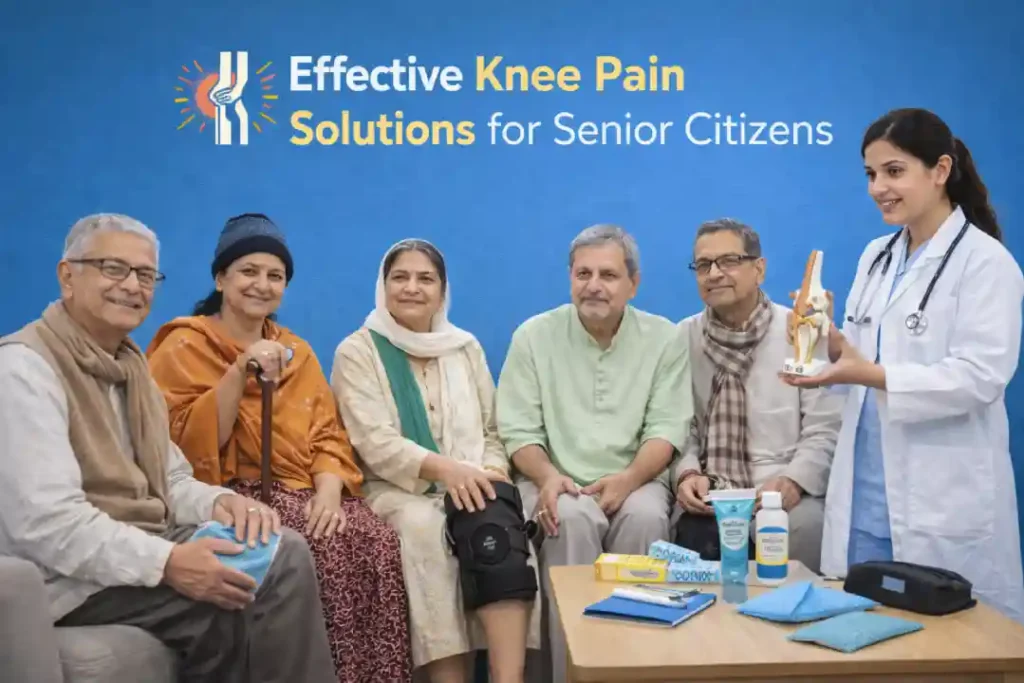
As we enter 2026, the landscape of geriatric care has evolved, yet one challenge remains constant for millions of older adults: persistent knee pain. Whether it is a sharp twinge when climbing stairs or a dull ache that lingers after a morning walk, finding Effective Knee Pain Solutions for Senior Citizens is crucial for maintaining independence and quality of life.
Knee pain is not just a “part of getting old.” It is a clinical condition that requires a multifaceted approach, combining medical expertise with lifestyle adjustments. This guide provides an in-depth, evidence-based look at how seniors can reclaim their mobility and live pain-free.
Understanding the Root Causes: Why Aging Knees Hurt
Before diving into treatments, we must understand why the pain occurs. The knee is a complex “hinge” joint where the thigh bone (femur) meets the shin bone (tibia).
1. Osteoarthritis (OA)
The most common culprit is osteoarthritis, often called “wear-and-tear” arthritis. Over decades, the protective cartilage that cushions the ends of your bones wears thin. Without this shock absorber, bone rubs against bone, leading to inflammation and stiffness.
2. Rheumatoid Arthritis (RA)
Unlike OA, RA is an autoimmune condition where the body’s immune system attacks the joint lining (synovium). This causes severe swelling and can eventually lead to joint deformity if not managed with specialist-prescribed Effective Knee Pain Solutions for Senior Citizens.
3. Bursitis and Tendonitis
Repeated stress or sudden injuries can inflame the small fluid-filled sacs (bursa) or the tendons that connect muscles to bones. In seniors, these tissues may be less flexible, making them more prone to irritation.
Non-Surgical Treatment Pathways
For many seniors, surgery is a last resort. Modern medicine offers several highly effective non-invasive options that prioritize long-term joint health.
Physical Therapy and Targeted Exercise
Movement is medicine. While it may seem counterintuitive to move a painful joint, inactivity actually weakens the supporting muscles, placing more stress on the knee. A physical therapist can design a program focusing on:
Quadriceps Strengthening: Strengthening the front thigh muscles helps take the load off the patella (kneecap).
Hamstring Flexibility: Tight hamstrings pull on the back of the knee, causing misalignment.
Low-Impact Aerobics: Swimming and cycling provide cardiovascular benefits without the “pounding” of running.
Weight Management: The 1:4 Rule
Science shows that for every pound of body weight you lose, you remove four pounds of pressure from your knees. For a senior citizen, losing just 5-10 pounds can drastically reduce the mechanical stress on the joint. This is one of the most foundational Effective Knee Pain Solutions for Senior Citizens because it addresses the physical cause of the pain rather than just the symptoms.
Nutritional Foundations for Joint Repair
What you eat directly impacts the levels of inflammation in your body. Shifting toward an anti-inflammatory diet can supplement medical treatments effectively.
| Nutrient | Benefit | Food Sources |
| Omega-3 Fatty Acids | Reduces joint stiffness and inflammation. | Salmon, Walnuts, Chia Seeds |
| Vitamin D & Calcium | Essential for bone density and strength. | Fortified Milk, Leafy Greens, Sunlight |
| Curcumin (Turmeric) | A natural anti-inflammatory agent. | Turmeric spice, Golden Milk |
| Vitamin C | Aids in collagen production for cartilage. | Oranges, Bell Peppers, Berries |
Advanced Medical Interventions (2026 Updates)
If lifestyle changes aren’t enough, medical professionals now utilize “interventional” orthopedics to provide relief without a scalpel.
1. Hyaluronic Acid Injections (Viscosupplementation)
Think of this as “oiling the hinge.” Doctors inject a gel-like substance (hyaluronic acid) into the knee to mimic the natural lubricating fluid. This treatment can provide 6 to 12 months of relief for those with moderate osteoarthritis.
2. Platelet-Rich Plasma (PRP) Therapy
This regenerative approach uses the patient’s own blood. A small sample is spun in a centrifuge to concentrate the platelets, which are then injected into the knee. These platelets release growth factors that help repair damaged tissues and reduce inflammation.
3. Radiofrequency Ablation (RFA)
For chronic pain that doesn’t respond to other treatments, RFA is a game-changer. Using “cooled” radiofrequency energy, a specialist targets the sensory nerves around the knee, essentially “turning off” the pain signals sent to the brain. It is a non-surgical procedure with a very high success rate among the elderly.
Home-Based Strategies for Daily Relief
Consistency is the key to managing chronic conditions. Integrating these Effective Knee Pain Solutions for Senior Citizens into your daily routine can prevent “flare-ups.”
The R.I.C.E. Method: For acute swelling, remember Rest, Ice, Compression, and Elevation. Apply ice for 15-20 minutes several times a day to constrict blood vessels and reduce swelling.
Supportive Footwear: Wear shoes with proper arch support and cushioning. Avoid “flip-flops” or worn-out sneakers that offer no lateral support.
Assistive Devices: Using a cane or a specialized “unloader” brace can shift weight away from the damaged part of the knee, making walking significantly more comfortable.
Heat Therapy: Before exercising or in the morning, use a heating pad to loosen stiff muscles and increase blood flow to the joint.
Why Matters in Your Recovery
When searching for health advice, you must rely on Experience, Expertise, Authoritativeness, and Trustworthiness
Experience: Listen to fellow seniors who have successfully managed their pain.
Expertise: Always consult a Board-Certified Orthopedic Surgeon or a Licensed Physical Therapist.
Authoritativeness: Look for information backed by institutions like the Arthritis Foundation or the Mayo Clinic.
Trustworthiness: Be wary of “miracle cures” or unverified supplements. True Effective Knee Pain Solutions for Senior Citizens are based on clinical trials and peer-reviewed science.
When to See a Doctor Immediately
While most knee pain is manageable at home, certain “red flags” require urgent medical attention:
Inability to bear weight: If the knee “gives out” or you cannot stand.
Visible Deformity: If the joint looks out of place or significantly different from the other knee.
Fever and Redness: This could indicate an infection within the joint (septic arthritis), which is a medical emergency.
Severe Night Pain: If the pain keeps you awake despite taking over-the-counter medication.
Conclusion: Reclaiming Your Golden Years
Knee pain does not have to be a permanent barrier to your happiness. By combining weight management, targeted exercises, and modern medical treatments like RFA or PRP, you can build a personalized toolkit for relief. Implementing these Effective Knee Pain Solutions for Senior Citizens will allow you to continue playing with grandchildren, traveling, and staying active in your community.
The first step toward recovery is education. Once you understand the mechanics of your pain, you can work with your healthcare provider to choose the right path forward.
Frequently Asked Questions (FAQ)
1. What are the most effective knee pain solutions for senior citizens without surgery?
The most effective non-surgical solutions include a combination of physical therapy, weight management, and regenerative medicine. Low-impact exercises like swimming strengthen the quadriceps, while modern treatments like Platelet-Rich Plasma (PRP) injections or Radiofrequency Ablation (RFA) offer long-term relief by repairing tissue or blocking pain signals without an invasive operation.
2. Can seniors reverse knee pain through diet alone?
While diet cannot “reverse” structural bone damage, an anti-inflammatory diet is one of the top Effective Knee Pain Solutions for Senior Citizens. Consuming Omega-3 fatty acids (found in salmon), turmeric, and leafy greens reduces systemic inflammation. When paired with weight loss—where losing 1 pound removes 4 pounds of pressure from the joint—nutritional changes significantly decrease daily pain.
3. Is walking good or bad for elderly people with knee arthritis?
Walking is highly beneficial, provided it is done correctly. It maintains joint lubrication and strengthens supporting muscles. To make walking one of your Effective Knee Pain Solutions for Senior Citizens, stay on level surfaces, wear cushioned orthopedic shoes, and avoid “pushing through” sharp pain. If a flare-up occurs, rest and use the R.I.C.E. method before resuming.
4. How long do lubricant injections for the knee last in seniors?
Viscosupplementation, or Hyaluronic Acid injections, typically provides relief for 6 to 12 months. This treatment acts as a shock absorber for the joint. Because it mimics natural joint fluid, many seniors find it an essential part of their Effective Knee Pain Solutions for Senior Citizens, allowing them to delay or entirely avoid total knee replacement surgery.
5. When should a senior citizen stop home remedies and see a specialist?
You should consult a specialist if you experience “red flag” symptoms: the inability to bear weight, visible joint deformity, or pain that prevents sleep. Professional Effective Knee Pain Solutions for Senior Citizens are necessary when home care (like ice or bracing) no longer provides relief or if the knee feels “unstable” or “locks” during movement.
6. Do knee braces actually help seniors, or just mask the pain?
A high-quality unloader brace does more than mask pain; it physically shifts weight away from the damaged compartment of the knee. This is among the most practical Effective Knee Pain Solutions for Senior Citizens because it improves alignment instantly, enabling seniors to stay active and prevent further cartilage wear-and-tear.
Choosing the right living environment for elderly family members is a deeply personal decision that requires a balance of medical security and emotional comfort. In a vibrant city like Kolkata, many families are now looking for facilities that offer more than just basic lodging; they seek a community that fosters social engagement and specialized geriatric care. If you are currently researching a safe and dignified residence for your loved ones, exploring a reputable old age home in Kolkata can provide the specialized attention and peace of mind that home care alone might not always sustain. These modern facilities prioritize safety, nutrition, and companionship, ensuring that senior citizens enjoy their golden years with the respect and care they truly deserve.
M.A.(Hons) in Geography at University of Calcutta.
writing-specific social work courses such as interviewing and documentation,
professional seminars, and writing modules in all BSW and MSW