
7 Ways to Overcome Emotional Burnout in Long Term Family Caregiving: A 2026 Guide
Caring for a loved one is perhaps the highest form of love, but it is also one of the most grueling marathons a human can run. In 2026, as our population ages and healthcare becomes more home-centric, the weight on family members has reached an all-time high.
If you feel like a candle burning at both ends with no wick left, you aren’t alone. Statistics show that over 60% of people in these roles face Emotional Burnout in Long Term Family Caregiving. This guide is designed to help you identify the signs, understand the causes, and reclaim your life without the weight of guilt.
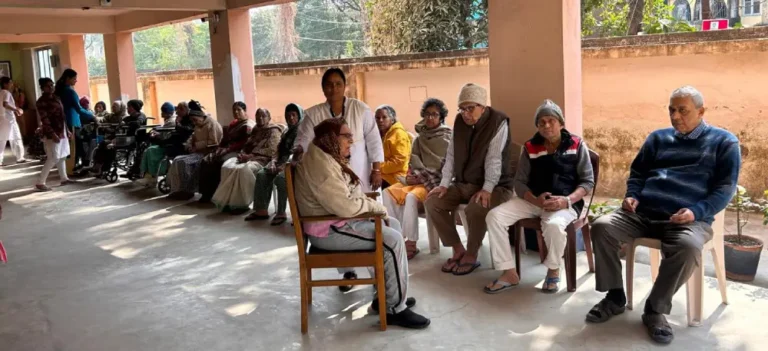
Who is a Caregiver? (The Silent Pillars)
A caregiver is anyone providing physical or psychological support to someone unable to fully care for themselves. This often stems from declining health, injury, or chronic conditions such as:
Neurodegenerative Diseases: Alzheimer’s, Dementia, and Parkinson’s.
Chronic Illnesses: Cancer, Multiple Sclerosis (MS), and Stroke survivors.
Mental Health Struggles: Severe depression or traumatic brain injuries.
From managing finances and medications to the intimate tasks of bathing and toileting, the responsibilities are endless.
What is Emotional Burnout in Long Term Family Caregiving?
Burnout isn’t just “being tired.” It is a state of total physical, mental, and emotional collapse. It happens when the demands placed on you exceed your available resources—financial, emotional, or physical.
Unlike temporary stress, Emotional Burnout in Long Term Family Caregiving feels like a dark cloud that follows you everywhere. You start your journey with a heart full of compassion, but over time, that light flickers out, leaving you feeling withdrawn, anxious, and even resentful toward the person you love.
The Red Flags: Symptoms You Shouldn’t Ignore
Many caregivers are so focused on the patient that they ignore their own body’s SOS signals. Recognize these signs early:
Emotional Exhaustion: Feeling hopeless, helpless, or constantly “on edge.”
Social Withdrawal: Losing interest in hobbies and isolating from friends.
Physical Decline: Weight changes, sleep disturbances, and getting sick more often due to a weakened immune system.
Irritability: Frequent outbursts of anger toward the care recipient or other family members.
Cognitive Fog: Inability to concentrate or manage simple daily tasks.
Important Note: If you are experiencing thoughts of self-harm or feel you might hurt the person in your care, please reach out to a crisis hotline or a mental health professional immediately. You are human, and you are at your breaking point.
Root Causes of Caregiver Exhaustion
Why does Emotional Burnout in Long Term Family Caregiving happen? It’s usually a combination of these factors:
Role Confusion: It’s hard to be a “nurse” and a “daughter” at the same time. The lines between your personal relationship and your clinical duties often blur, leading to identity loss.
Unrealistic Expectations: Many believe their care will “fix” the patient. When the loved one’s health inevitably declines (as in dementia), the caregiver feels like they have failed.
Lack of Control: Financial strain and lack of specialized training can make you feel trapped.
The “Superman” Syndrome: The belief that “no one can do it as well as I can,” which leads to refusing help until a total collapse occurs.
Compassion Fatigue vs. Burnout
It is vital to distinguish between these two. Emotional Burnout in Long Term Family Caregiving is about stress and exhaustion. Compassion Fatigue, however, is when you take on the actual trauma of the patient, leading to a loss of empathy. You might find yourself “numb” to their suffering. Both can occur simultaneously and require professional intervention.
Strategies to Manage and Prevent Burnout
1. The Oxygen Mask Theory
You’ve heard it on every flight: Put on your own mask before helping others. Self-care isn’t a luxury; it’s a biological necessity.
Action: Schedule your own doctor appointments, eat balanced meals, and move your body for at least 15 minutes a day.
2. Radical Acceptance of Feelings
Guilt is the primary enemy of the caregiver. Feeling angry or resentful doesn’t make you a “bad person.” It makes you a tired person. Accepting these emotions prevents them from turning into deep-seated depression.
3. Utilize Respite Care
Respite care provides a temporary break. Whether it’s for a few hours a week or a week-long stay at a facility, this time allows you to “recharge your wick.”
4. Seek Professional Support
In 2026, teletherapy and caregiver support groups are more accessible than ever. Talking to someone who understands the specific trauma of Emotional Burnout in Long Term Family Caregiving can be life-saving.
The Transition to Professional Help
There may come a time when your loved one’s needs exceed what a single person can provide. Acknowledging that a nursing home or an assisted living facility is necessary isn’t a betrayal—it’s a responsible medical decision.
For those living in urban hubs like West Bengal, seeking a reputable old age home in kolkata can provide your loved one with 24/7 medical supervision and social engagement that a tired family member simply cannot provide alone. This transition often restores the “family” bond, allowing you to be a child or spouse again rather than just a medical provider.
Frequently Asked Questions (FAQs)
Q1: How long does it take to recover from caregiver burnout? A: There is no fixed timeline. Recovery can take weeks or months depending on how long the stress was sustained. It requires a total shift in lifestyle and seeking help.
Q2: Can I get paid to be a family caregiver? A: In many regions, government programs or insurance policies offer “Consumer Directed Personal Assistance Programs” that allow family members to receive a stipend for their work.
Q3: What is the first step I should take if I feel burned out? A: Speak to your primary healthcare provider. They can assess your physical health and refer you to a mental health professional or a local support group.
Q4: Is it normal to feel angry at the person I am caring for? A: Yes. Irritability is a core symptom of burnout. It usually stems from exhaustion and the loss of your personal freedom, not a lack of love.
Q5: How can I find local resources for help? A: Contact your local Agency on Aging, search for disease-specific organizations (like the Alzheimer’s Association), or look into professional home care agencies.

M.A.(Hons) in Geography at University of Calcutta.
writing-specific social work courses such as interviewing and documentation,
professional seminars, and writing modules in all BSW and MSW