
family support tips for senior citizens
This comprehensive guide offers high-value family support tips for senior citizens, designed to enhance their quality of life while ensuring you, as a caregiver, remain balanced and empowered.
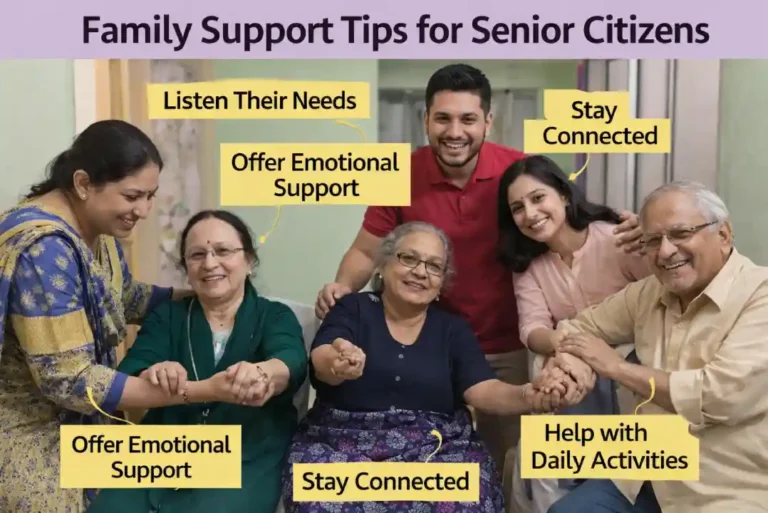
In today’s fast-evolving healthcare landscape, supporting our elderly loved ones has moved beyond simple duty; it is a complex, heart-centered journey that requires a blend of empathy, strategy, and expert knowledge. Whether you are navigating the early signs of aging or managing chronic conditions, the quality of family support directly correlates with a senior’s longevity and happiness.
This guide provides a comprehensive roadmap for families, grounded in medical best practices and real-world caregiving experience, to ensure your senior relatives thrive in their golden years.
1. The Foundation: Assessing Needs and Starting the Conversation
Effective support begins with a clear understanding of the senior’s current status. Waiting for a medical crisis to discuss future plans is a common mistake that leads to rushed, stressful decisions.
Conduct a “360-Degree” Assessment
Before implementing changes, evaluate these four key pillars:
Physical Health: Are there new mobility issues, frequent falls, or changes in appetite?
Cognitive Function: Is there noticeable forgetfulness, confusion, or difficulty managing complex tasks like finances?
Emotional Well-being: Does your loved one show signs of withdrawal, irritability, or persistent sadness?
Environmental Safety: Does the home have hazards like loose rugs, poor lighting, or stairs that are becoming difficult to navigate?
The “Fresh Start” Conversation
Approach the topic of support not as a loss of independence, but as a way to sustain it. Use “I” statements, such as: “I want to make sure you can stay in this home safely for as long as possible. Can we talk about some small changes that might help?”
2. Physical Support: Enhancing Safety and Mobility
Physical decline is often the most visible aspect of aging. Family support in this area should focus on preventing injury while promoting as much activity as safely possible.
Home Modifications for “Aging in Place”
Research shows that 90% of seniors prefer to stay in their own homes. To make this viable, consider these high-impact modifications:
Bathroom Safety: Install grab bars in the shower and near the toilet. Replace standard tubs with walk-in showers if possible.
Lighting: Increase wattage in hallways and install motion-sensor nightlights to prevent nighttime falls.
Accessibility: Remove “trip hazards” like throw rugs and electrical cords. If stairs are a struggle, consider moving the primary bedroom to the first floor.
Encouraging Functional Movement
Support doesn’t mean doing everything for them. Encourage “functional fitness” to maintain muscle mass and balance. Activities like light yoga, Tai Chi, or even supervised walking can significantly reduce the risk of fractures.
3. Emotional and Mental Health: The “Hidden” Support System
Loneliness and social isolation are as damaging to health as smoking 15 cigarettes a day. As a family, your role in providing emotional “oxygen” is vital.
Fostering a Sense of Purpose
Seniors who feel “needed” live longer. Involve them in family life in meaningful ways:
The “Consultant” Role: Ask for their advice on family matters or recipes.
Intergenerational Bonding: Schedule regular time for them to interact with grandchildren. This provides a “youthful energy” boost for the senior and teaches empathy to the children.
Hobbies and Learning: Support their interests, whether it’s gardening, puzzles, or learning to use a tablet to video call distant relatives.
Mental Stimulation
To stave off cognitive decline, encourage activities that challenge the brain. Crossword puzzles, reading, and engaging in lively debates about current events keep neural pathways active.
4. Medication and Healthcare Management
Complexity is the enemy of senior health. Managing multiple prescriptions and specialist appointments requires high-level family coordination.
The Power of Advocacy
Accompany your loved one to doctor appointments. As an advocate, you can:
Clarify instructions that the senior might have missed.
Note any side effects or changes in behavior to report to the physician.
Ensure that all doctors (cardiologists, neurologists, GPs) are communicating and not prescribing “conflicting” medications.
Smart Medication Systems
Use technology or simple organizers to prevent errors. Automatic pill dispensers or smartphone apps with reminders can prevent the dangerous “double-dosing” or missed-dose scenarios common in seniors with memory issues.
5. Financial and Legal Preparedness
Trustworthiness in elder care involves transparency. Families must address the “uncomfortable” topics of money and legal authority early.
Essential Document Checklist
Ensure the following documents are signed, notarized, and easily accessible: | Document | Purpose | | :— | :— | | Living Will | Outlines medical treatment preferences for end-of-life care. | | Durable Power of Attorney | Designates someone to make financial decisions if the senior cannot. | | Healthcare Proxy | Designates someone to make medical decisions on their behalf. | | Asset Map | A list of bank accounts, insurance policies, and property deeds. |
6. The “Care Team” Model: Preventing Caregiver Burnout
One of the biggest threats to senior support is a “burnt-out” primary caregiver. Support is a team sport; it should never fall entirely on one person.
Divide and Conquer
If there are multiple siblings or family members, divide roles based on strengths:
The Financial Manager: Handles bills, insurance, and taxes.
The Local Responder: Lives nearby and handles grocery runs or emergency visits.
The Researcher: Looks into medical conditions, new treatments, or local senior programs.
The Emotional Anchor: Provides the regular “check-in” calls and social visits.
Using Professional Resources
Recognize when family support isn’t enough. Hiring a part-time in-home aide or using “respite care” services doesn’t mean you’ve failed; it means you are prioritizing the quality of care.
7. Technology as a Bridge
In 2025, technology is a caregiver’s best friend. From wearables that detect falls to smart medication dispensers, tech can provide a safety net that doesn’t feel intrusive.
Telehealth: Use video consultations to reduce the stress of physical travel for routine check-ups.
Wearable Tech: Devices like the Apple Watch or specialized senior pendants can alert family members immediately if a fall occurs.
Smart Home Hubs: Voice-activated devices (like Alexa or Google Home) allow seniors to call for help, set reminders, or control lights without getting up.
Conclusion: Lead with Dignity
The most important “tip” for family support is to preserve the senior’s dignity. Every piece of advice or help offered should be framed with respect for their life experience. Your goal is to be a partner in their aging process, not a manager of it.
By balancing physical safety, emotional connection, and organized healthcare management, you create an environment where your loved one feels secure, valued, and loved.
FAQ: Family Support Tips for Senior Citizens
1. What are the most effective family support tips for senior citizens living alone?
The most effective tip is to establish a “Daily Check-In” protocol. This doesn’t have to be a long call; it could be a simple “Good morning” text or a smart home sensor that notifies you when the kitchen cabinet is opened. Additionally, ensuring they have an emergency wearable device (like a fall-detection watch) provides peace of mind for both the senior and the family.
2. How can I provide family support for senior citizens who refuse help?
Resistance often stems from a fear of losing independence. Instead of “telling” them what to do, frame support as a collaboration. Use “I” statements: “I worry about you slipping in the shower; would you be open to installing a grab bar so I can stop worrying?” Let them choose the style or color of the modifications to maintain a sense of control.
3. Are there specific family support tips for senior citizens with memory loss?
Yes. For those with early-stage dementia or Alzheimer’s, routine is your best tool. Keep meal times, exercise, and sleep schedules consistent. Use visual cues—labels on drawers (e.g., “Socks,” “Plates”) can reduce frustration. Most importantly, focus on the “emotional truth” of their conversation rather than correcting every factual error.
4. How does technology fit into family support tips for senior citizens?
Technology should act as a bridge, not a barrier. Use Telehealth for routine follow-ups to save the senior the exhaustion of travel. Smart home hubs can be programmed to give verbal reminders for medication. However, always ensure the tech is “senior-friendly”—large buttons, voice commands, and simple interfaces are key.
5. What is the best way to handle financial family support for senior citizens?
Transparency is vital. Sit down with your loved one and a financial advisor to create a transparent budget. If they are on a fixed income, research local “Senior Tax Exemptions” or utility assistance programs. Helping them set up automated bill payments can prevent the stress of late fees and ensure their essential services are never interrupted.
Finding the right old age home in Kolkata requires balancing professional medical care with a warm, home-like environment. For families seeking reliable senior living, the city offers various premium facilities that specialize in geriatric wellness, 24/7 nursing, and emergency support. These centers focus on dignity and independence, providing seniors with a vibrant community and nutritious meals. Whether you need short-term assisted living or long-term palliative care, choosing a reputable facility ensures your loved ones receive the attention they deserve. Exploring these options helps bridge the gap between clinical care and emotional comfort for the elderly.
M.A.(Hons) in Geography at University of Calcutta.
writing-specific social work courses such as interviewing and documentation,
professional seminars, and writing modules in all BSW and MSW