
Hidden Daily Risks for Seniors 2026
As our parents and grandparents grow older, we often focus on major health concerns—heart disease, dementia, or mobility issues. Yet, what truly shapes their daily quality of life are the subtle, often overlooked hazards that accumulate quietly in their routines. At Shibasram, where we have dedicated decades to compassionate elder care, we have witnessed firsthand how these hidden daily risks profoundly impact well-being. Understanding and mitigating these quiet threats is not just an act of care; it is a necessity for ensuring safety, dignity, and happiness in their later years.
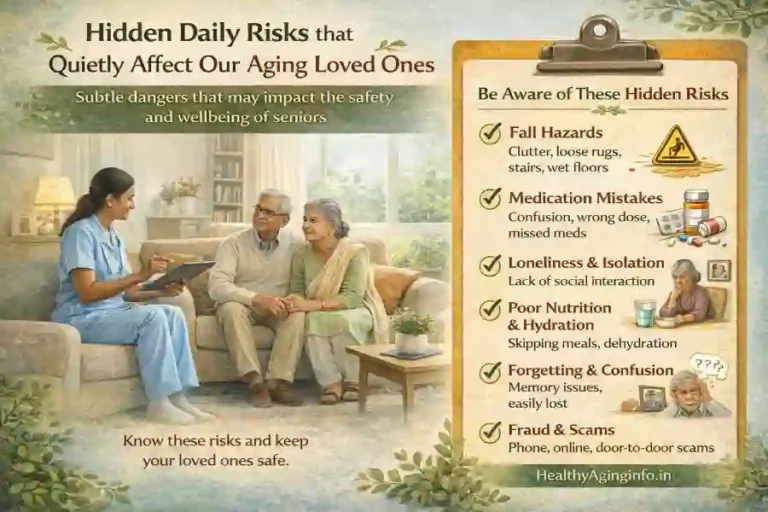
Hidden Daily Risks That Quietly Affect Our Aging Loved Ones
At Shibasram, our philosophy is rooted in the belief that truly protective care is anticipatory and holistic. Our caregivers are trained to observe not just the obvious, but the subtle—the half-full glass of water left all day, the new hesitation before a familiar step, the unopened pile of mail. We understand that expertise in elder care means combining medical knowledge with deep empathy and vigilant presence.
The Unseen Threats in a Familiar Environment
The home, a place of comfort, can become a landscape of hidden daily risks for seniors. Declining vision, balance, and cognitive processing make once-familiar spaces surprisingly hazardous.
1. The Peril of Polypharmacy: One of the most significant yet silent dangers is medication mismanagement. The aging process often leads to multiple prescriptions. The risk isn’t just the medications themselves but the interactions, the complex schedules, and the physical challenge of opening childproof caps. This can lead to missed doses, double-dosing, or adverse reactions—a quiet crisis unfolding in the medicine cabinet.
2. Dehydration and Malnutrition: The sense of thirst diminishes with age. Coupled with fears of incontinence or the physical difficulty of preparing meals, many elders suffer from chronic, mild dehydration and nutritional gaps. This quietly affects energy levels, cognitive function, kidney health, and medication efficacy, creating a slow decline often mistaken for “just getting old.”
3. Silent Falls and Environmental Hazards: A loose rug, a dimly lit hallway, a slippery bathroom floor—these are hidden daily risks for Seniors with catastrophic potential. Fear of falling can also lead to reduced physical activity, which in turn accelerates muscle weakness and balance issues, creating a vicious cycle.
The Psychological and Social Hazards
The aging process isn’t solely physical. Emotional and social vulnerabilities present profound hidden daily risks.
4. Social Isolation and Loneliness: Reduced mobility, loss of friends, and hearing impairment can lead to a shrunken social world. Loneliness is not just sadness; it’s a documented health risk, quietly affecting blood pressure, increasing stress hormones, and exacerbating depression and cognitive decline.
5. Financial Exploitation and Scam Vulnerability: Cognitive changes can make even sharp elders susceptible to sophisticated phone scams, predatory contractors, or even undue influence. This loss of financial security is a devastating hidden daily risks for Seniors that erodes trust and independence.
6. Digital Disconnection: In an increasingly online world, inability to navigate technology cuts seniors off from family communication (video calls), essential services (telemedicine, online banking), and mental stimulation. This digital divide is a modern, quiet marginalizer.
Sensory Decline: A World That Grows Quieter and Dimmer
Vision and hearing loss often progress so gradually they go unacknowledged. This sensory impairment is a major hidden daily risks for Seniors. Mishearing doctor’s instructions, failing to see a step, or misreading a prescription label can have direct consequences. It also fuels misunderstanding, leading to incorrect assumptions about cognitive decline when the issue is simply sensory deprivation.
Mitigation: A Framework of Vigilant Care at Shibasram
Addressing these hidden daily risks requires a shift from reactive to proactive, holistic care. At Shibasram, our philosophy is built on anticipatory support.
Medication Reconciliation & Management: We use simple, clear pill organizers and maintain ongoing communication with pharmacists and physicians to regularly review all medications, ensuring necessity and checking for interactions.
Hydration & Nutrition Protocols: We establish routine “hydration stations” and offer nutrient-dense, easy-to-eat meals and snacks. We monitor intake not with pressure, but with supportive encouragement.
Preemptive Safety Audits: We conduct regular home assessments for fall risks—securing rugs, installing grab bars, ensuring whole-home lighting. We encourage strength and balance exercises tailored to ability.
Combating Isolation: We facilitate structured and unstructured social opportunities, from group activities to fostering one-on-one connections. We also help families set up accessible technology to bridge physical distances.
Empowerment Through Education: We gently educate our elders and their families about scam awareness, financial safety practices, and the importance of sensory check-ups. We view dignity as intertwined with informed autonomy.
The Shibasram Commitment: Expertise Forged in Compassionate Experience
Our approach is rooted in what Google’s E-E-A-T guidelines define as the cornerstone of authoritative content and care: Experience, Expertise, Authoritativeness, and Trustworthiness.
Experience: For over two decades, Shibasram’s caregivers have lived alongside the elders we serve. This daily, hands-on experience provides an intuitive understanding of those subtle changes—a slight wobble, a lost appetite, a withdrawn demeanor—that signal an underlying hidden daily risks for Seniors.
Expertise: Our team undergoes continuous training in gerontology, nursing, nutrition, and psychology. This expertise allows us to translate observed experiences into effective, evidence-based care plans.
Authoritativeness: We are recognized leaders in holistic elder wellness. Our methodologies and insights are sought after by families and professionals, establishing our authoritativeness in the field of senior care.
Trustworthiness: Everything we do is built on transparency, integrity, and the sacred trust families place in us. Our trustworthiness is our most valued asset, earned through consistent, reliable, and ethical care.
Conclusion: The Power of Attentive Awareness
The journey of aging is not defined solely by the diagnosis on a chart. It is shaped in the quiet moments of every day. By bringing these hidden daily risks for Seniors into the light, we move from worry to purposeful action. It is in the careful review of the pillbox, the extra glass of water offered, the nightlight installed, and the patient conversation held that we truly safeguard our aging loved ones.
At Shibasram, we believe protecting against these quiet threats is the highest form of respect. It preserves independence, honors dignity, and ensures that the later years are not just longer, but richer, safer, and filled with the comfort of knowing that someone is attentively, expertly, and lovingly watching for the risks they cannot see.
FAQ on Hidden Daily Risks for Seniors
Q1: What exactly are “hidden daily risks” for seniors?
A: “Hidden daily risks” refer to the subtle, non-obvious, and often overlooked dangers that seniors encounter in their everyday routines. Unlike major medical events, these are gradual threats—like mild dehydration, medication mix-ups, or the fear of falling—that quietly erode health, safety, and independence over time. At Shibasram, our experience shows that addressing these quiet risks is key to proactive, preventative care.
Q2: For 2026, what is the most underrated hidden daily risk we should know about?
A: In 2026, digital isolation combined with cognitive scams is emerging as a critical, underrated risk. As banking, healthcare, and socializing move increasingly online, seniors unable to navigate digital platforms face isolation. Simultaneously, AI-powered voice and phishing scams are becoming frighteningly sophisticated, targeting cognitive slight declines. This dual threat impacts both mental well-being and financial security silently.
Q3: How can smart home technology in 2026 help mitigate these hidden risks?
A: Modern, privacy-focused smart home ecosystems are game-changers. Think beyond basic alerts:
Ambient Monitoring: Non-camera, non-wearable sensors (e.g., on mattresses, walls) can detect unusual inactivity, falls, or changes in sleep patterns, alerting family without invading privacy.
AI-Powered Medication Managers: Smart dispensers not only sort pills but use gentle reminders, detect missed doses, and can alert a family caregiver or pharmacist in real-time.
Voice-Activated Everything: Integration with voice assistants can control lighting, lock doors, make calls, and read aloud emails, combating both physical hazards and digital disconnection.
Q4: Are there new nutritional hidden risks for seniors in 2026?
A: Yes. Two are gaining attention:
“Processed Food Malnutrition”: Reliance on convenient, ultra-processed foods can lead to adequate calories but critical deficiencies in protein, fiber, and specific micronutrients essential for muscle maintenance (sarcopenia prevention) and cognitive health.
Hydration Tech Reliance: While smart bottles track intake, over-reliance can be a risk if the tech fails or isn’t used. The core issue remains the diminished thirst mechanism. The 2026 approach combines gentle tech reminders with old-fashioned, visible placement of appealing fluids (herbal teas, infused water).
Q5: How does “social prescribing” work as a 2026 solution to hidden social risks?
A: “Social prescribing” is a growing, formalized healthcare practice. Instead of only medication, doctors can “prescribe” community activities—like joining a gardening group, a weekly art workshop, or a tech-literacy class facilitated by local NGOs. At Shibasram, we partner with such programs. This tackles isolation, stimulates cognition, and encourages gentle physical activity, addressing multiple hidden risks through one socially engaging intervention.
Q6: What’s a simple first step to conduct a 2026 “Hidden Risk Audit” at home?
A: Set aside 30 minutes for a “Silent Observation Walk” with this checklist:
Medication: Are pill bottles hard to open? Are labels faded?
Hydration: Is there a full water glass/cup in their main sitting area?
Flooring: Do rugs slip? Are cords in walkways?
Lighting: Are pathways to the bathroom lit at night (motion-sensor LEDs are ideal)?
Digital: Is there a tablet/computer set up with large icons for video calls?
Social: Check the call log—have outgoing calls to friends/family dwindled?
This observational audit, recommended by geriatric care experts, reveals the practical daily friction points.
Q7: How does Shibasram’s approach to these risks align with 2026 standards of care?
A: Shibasram’s philosophy has always been anticipatory and human-centric, which is now the gold standard in 2026 senior care. We combine:
Expertise in Gerontechnology: Judiciously integrating non-invasive tech for monitoring and safety.
Authoritativeness in Holistic Wellness: Our certified staff are trained in the interconnectedness of physical, nutritional, and cognitive health.
Trustworthiness Through Transparency: Families have secure, real-time access to wellness updates (with senior consent), building collaborative trust.
Experience-Based Personalization: Our decades of experience allow us to customize care plans that address not just medical needs, but these individual, hidden daily friction points, ensuring dignity and independence are paramount.
Q8: Why is focusing on “hidden daily risks” more important now than ever?
A: With global demographics shifting and life expectancy increasing, the goal is no longer just longevity, but quality longevity. Proactively managing hidden daily risks is the most effective way to prevent catastrophic health events, reduce emergency hospitalizations, and preserve cognitive and physical function. It empowers seniors to live safely in their chosen environment for longer, which is the core of modern, compassionate care as we advance further into the 2020s.
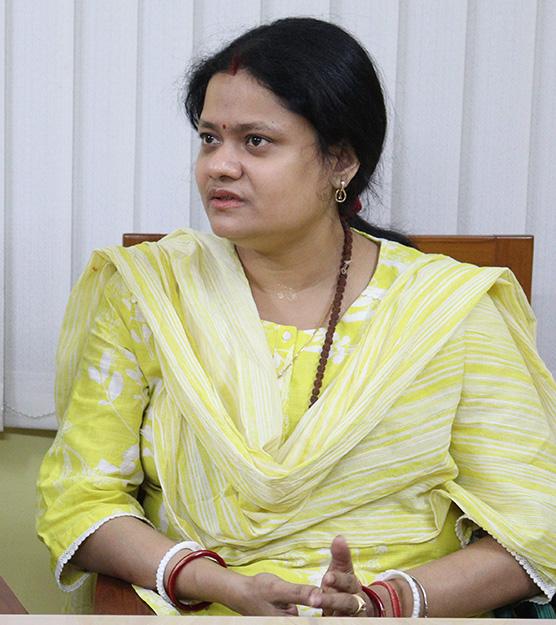
M.A.(Hons) in Geography at University of Calcutta.
writing-specific social work courses such as interviewing and documentation,
professional seminars, and writing modules in all BSW and MSW