Respite Care for Dementia Patients in Kolkata: How It Helps Family Caregivers
You cannot pour from an empty cup. If you are caring for a parent with dementia, you already know the exhaustion — the sleepless nights, the constant vigilance, the loss of your own life. Respite care gives you a short, structured break while your parent receives professional care. This guide explains how it works, what it costs, and why it may be the most important thing you do for both of you.
Book a Respite Stay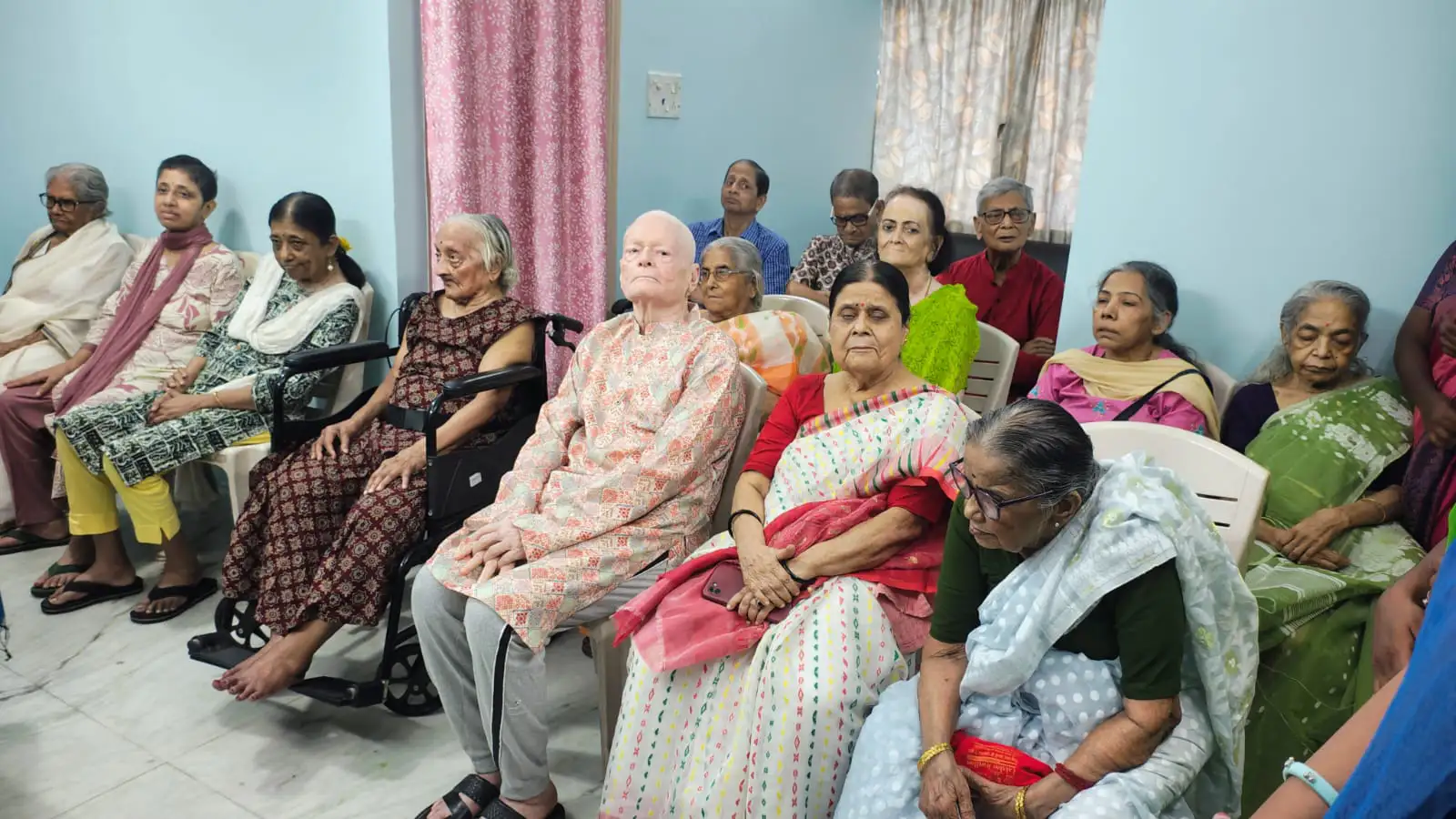
What Is Respite Care?
Respite care is a short-term, paid stay at a dementia care facility. Its purpose is simple: to give the primary family caregiver a genuine break while ensuring the dementia patient continues to receive safe, professional care.
It is not a permanent admission. It is not abandonment. It is a planned, temporary arrangement — usually 3 days to a few weeks — that allows you to rest, travel, recover from illness, attend a family event, or simply sleep through the night without listening for sounds from the next room.
During a respite stay, your parent lives at the facility exactly as a regular resident would. They receive:
- Accommodation in a secure, dementia-friendly room
- Three meals plus snacks daily, adjusted for their diet
- 24/7 nursing supervision and medication management
- Assistance with bathing, dressing, and toileting
- Structured daily activities and social engagement
- Emergency medical response and hospital tie-ups
You receive something just as valuable: rest, perspective, and the chance to be a daughter or son again instead of a full-time nurse.
If you want to understand what permanent dementia care looks like in detail, visit our main Dementia Care Home in Kolkata page. Respite care is a shorter, lighter version of the same service.
Why Family Caregivers Need Respite Care
Dementia caregiving is not like caring for a physically ill person. The person you love may not recognise you. They may accuse you of stealing. They may become aggressive, wander at night, or refuse to eat. You are managing not just their body, but their mind — and this demands emotional reserves that deplete quickly.
Studies consistently show that family caregivers of dementia patients experience higher rates of depression, anxiety, and physical illness than caregivers of people with other conditions. Many develop chronic health problems of their own. Some die before the person they are caring for.
Respite care exists to prevent this. It is not a luxury. It is not selfish. It is a medical necessity — for you and for your parent. A rested caregiver provides better care. A burnt-out caregiver makes mistakes, loses patience, and eventually cannot continue.
Many families in Kolkata use Elderly Home Care Service in Kolkata for day-to-day support. But home care cannot give you a full night's sleep or a week-long break. Only a respite stay at a facility can do that.
10 Signs You Need a Respite Break Right Now
Caregiver burnout develops gradually. If you recognise three or more of these signs, you need a break — not in a few months, but now.
Chronic Sleep Deprivation
You wake up multiple times a night, cannot fall back asleep, or feel tired even after a full night. Sleep loss compounds everything.
Loss of Patience
You snap at your parent, feel irritated by small things, or find yourself raising your voice more often. This is exhaustion, not a character flaw.
Physical Symptoms
Headaches, back pain, stomach issues, or frequent colds. Chronic stress weakens the immune system and the body.
Social Withdrawal
You have stopped meeting friends, attending family functions, or doing anything that is not caregiving.
Resentment
You feel angry at your parent, at siblings who do not help, or at your own situation. This is normal under unsustainable strain.
Neglecting Your Own Health
You have skipped your own doctor's appointments, stopped taking your medicines, or ignored symptoms.
Difficulty Concentrating
You forget things, lose track of tasks, or make small mistakes you would not normally make.
Feeling Trapped
You feel like there is no end in sight, no way to rest, and no one who understands what you are going through.
Career or Financial Strain
You have reduced your work hours, lost income, or risk losing your job because of caregiving demands.
Depression or Anxiety
You feel persistently low, hopeless, or anxious. You have stopped enjoying things you used to love. This needs attention.
If you see yourself in three or more of these signs, the answer is not "try harder." The answer is respite care — immediately.
Benefits of Respite Care for the Dementia Patient
Respite care is not only about the caregiver. The patient benefits significantly as well.
Professional Medical Monitoring
A registered nurse checks vitals, manages medications, and catches small health issues before they become emergencies. This is more consistent than home care can provide.
Social Engagement
Dementia patients living at home with one caregiver often become isolated. In a facility, they interact with peers, participate in group activities, and celebrate festivals.
Structured Routine
Fixed times for meals, medication, rest, and activities reduce anxiety and confusion. Routine is one of the most therapeutic tools in dementia care.
Cognitive Stimulation
Music, memory games, art sessions, and gentle exercise provide mental stimulation that slows cognitive decline.
Safety and Supervision
Locked exits, monitored corridors, and 24/7 staff mean wandering and fall risks are managed professionally. Family caregivers cannot maintain this vigilance alone.
Reduced Caregiver Resentment
When you return rested, you interact with your parent more patiently and warmly. This improves their emotional wellbeing and your relationship.
Benefits of Respite Care for the Family Caregiver
Real Sleep
For the first time in months, you sleep through the night without listening for footsteps or sounds of distress. This alone can change your entire mental state.
Health Recovery
Your blood pressure stabilises. Your headaches reduce. Your immune system recovers. You have time for your own doctor's appointment.
Mental Clarity
Rest restores your ability to think clearly, plan, and make decisions. You can finally evaluate whether long-term care is needed.
Time for Relationships
You can attend your child's school event, celebrate a family wedding, or simply spend an evening with your spouse without guilt.
Career Protection
A week of respite allows you to catch up on work, attend an important meeting, or travel for business without jeopardising your job.
Evaluation Opportunity
You observe how your parent settles into a facility. This gives you real information about whether long-term admission would work for them in future.
Types of Respite Care Available
Respite care comes in different formats depending on how much of a break you need.
| Type | Duration | Best For | Approximate Cost |
|---|---|---|---|
| Day Care | 6-10 hours | Regular weekly breaks; running errands; attending work meetings | ₹800 – ₹1,500 per day |
| Weekend Respite | 2-3 days | Attending family functions; short recovery breaks | ₹5,000 – ₹8,000 total |
| Short Respite | 3-7 days | Sleep recovery; doctor visits; business travel | ₹2,000 – ₹3,500 per day |
| Extended Respite | 2-4 weeks | Overseas travel; surgery recovery; caregiver exhaustion | ₹2,000 – ₹3,000 per day |
| Emergency Respite | 48 hours onward | Sudden hospitalisation of caregiver; family crisis | ₹2,500 – ₹4,000 per day |
How Long Should a Respite Stay Be?
The right duration depends on why you need the break. Here is a practical guide.
3 Days — Minimum Effective Break
Enough to sleep, rest, and let your nervous system settle. Good for a weekend or a short family event.
5-7 Days — Ideal for Most Caregivers
Restores sleep, allows for a doctor's visit and health check, and gives real perspective. This is the most common respite duration.
2 Weeks — Recovery from Exhaustion
For caregivers who are already burnt out or recovering from illness or surgery. Two weeks allows deep physical and emotional recovery.
3-4 Weeks — Extended Break
For overseas travel, extended family obligations, or when you need to evaluate long-term care options without pressure.
Important: Do not book a stay shorter than three days. A one-day or two-day stay rarely allows your parent to settle, and you will not get the full benefit of rest. The first 24 to 48 hours are always a transition period for both of you.
Cost of Respite Care in Kolkata
Respite care is priced per day. It covers accommodation, meals, nursing supervision, medication management, and daily activities.
| Room Type | Approx. Daily Rate | Typical 7-Day Total |
|---|---|---|
| Twin Sharing (Non-AC) | ₹2,000 – ₹2,500 | ₹14,000 – ₹17,500 |
| Twin Sharing (AC) | ₹2,500 – ₹3,000 | ₹17,500 – ₹21,000 |
| Single Room (Non-AC) | ₹3,000 – ₹3,500 | ₹21,000 – ₹24,500 |
| Single Room (AC) | ₹3,500 – ₹4,500 | ₹24,500 – ₹31,500 |
What is included: Room, meals, nursing supervision, medication management, housekeeping, laundry, and daily activities.
What is usually extra: Doctor consultations, physiotherapy, special diets, diapers, medical consumables, and hospitalisation.
Compare to the cost of burnout: A week of respite costs ₹14,000 to ₹21,000. A week of caregiver hospitalisation due to exhaustion, plus home care for your parent while you are unwell, costs far more — financially and emotionally.
How to Book a Respite Stay: Step by Step
The process is simple. Most facilities can arrange respite within 48 to 72 hours.
1 Call the Facility and Explain Your Situation
Share your parent's diagnosis, current symptoms, mobility status, and medications. Ask whether they have respite availability for the dates you need, and confirm the daily rate.
2 Visit the Facility Before Booking
Even for a short stay, visit once. Meet the head nurse. See the room. Ask how they handle wandering, sundowning, and night-time confusion. Check that exits are secured and staff look attentive.
3 Submit Basic Documents
Photo ID, recent medical reports, complete medication list, emergency contact details, and a signed respite consent form. Most facilities ask for a doctor's fitness certificate for short admissions.
4 Confirm Dates and Pay in Advance
Respite is usually paid for the confirmed number of days in advance. Get a written receipt listing the dates, inclusions, and daily rate.
5 Prepare Your Parent Gently
Do not present it as a permanent move. Call it a "short rest stay" or a "holiday." Bring familiar items from home — a blanket, photographs, their favourite shawl. Pack medications in original packaging.
6 Move In During the Day
Arrive in the morning, not at night. Spend time settling your parent into the room. Have a meal with them if possible. Then step back and let staff take over.
7 Rest — Truly Rest
Do not call every hour. The point of respite is that you stop being the caregiver for a few days. Request a daily update via WhatsApp if that helps you relax, but let the professionals do their job.
8 Observe and Decide
When you pick your parent up, observe how they look and behave. Were they clean, fed, and calm? Did the staff communicate well? This tells you whether the facility would be a good fit for long-term care if you ever need it.
Respite Care as a Trial Stay Before Long-Term Admission
Many families use a respite stay as a low-pressure way to test a facility before considering permanent admission. This is one of the smartest uses of respite care.
Why It Works
- Your parent experiences the facility without the shock of a permanent move
- You observe staff behaviour, food quality, and hygiene in real time
- You see how they handle your parent's specific behaviours
- If it goes well, a future long-term admission is much smoother
- If it does not go well, you have lost only a few days, not a long-term commitment
What to Observe
- Does your parent eat willingly?
- Are they bathed, dressed, and groomed daily?
- Do they seem calm or distressed?
- Are there any unexplained bruises or marks?
- How detailed and timely are the staff updates?
- Do other residents look content and engaged?
If your parent only needs daily assistance but not full memory care, an Assisted Living Home in Kolkata may also offer respite options with a lower care intensity. And if your parent only needs basic senior living and companionship, a trusted Old age home in kolkata may be a lighter option.
Preparing Your Parent for a Respite Stay
The way you frame the stay matters enormously. Here is how to reduce distress.
What Helps
- Frame it as a "short rest holiday" or "doctor-recommended rest"
- Bring familiar items — photographs, blanket, pillow, shawl
- Pack their own clothes, not new ones
- Arrive in the morning, not at night
- Stay for a meal on the first day
- Leave at a calm moment, not during distress
- Call once daily at a fixed time
- Reassure them that you will return — repeat this often
What Makes It Worse
- Saying "I need a break from you"
- Presenting it as permanent
- Long explanations or arguments
- Sneaking away without saying goodbye
- Dropping them off at night in an unfamiliar place
- Packing unfamiliar clothes or items
- Calling every hour to check — this increases their anxiety
- Promising something you cannot keep
Conclusion: Rest Is Not Selfish — It Is Essential
Dementia caregiving is one of the most demanding roles any human being can take on. It is unpaid, unrelenting, and emotionally exhausting. The exhaustion you feel is not weakness. It is the natural result of doing an impossible job alone.
Respite care is the practical solution. It gives you the rest you need, while your parent receives professional care in a safe, structured environment. It protects your health. It protects your relationship with your parent. And it gives you the space to make clear-headed decisions about the future.
If you have been postponing a break because of guilt, consider this: your parent needs a rested caregiver more than they need an exhausted one. The best thing you can do for them right now is to take care of yourself.
If you would like to book a respite stay, Dementia Care Home in Kolkata at Shibasram Trust offers short-term respite admissions from 3 days onward, with 24/7 nursing, secure memory care, and complete transparency. We also provide Elderly Home Care Service in Kolkata, Assisted Living Home in Kolkata, and a trusted Old age home in kolkata environment — so your parent's care can match their actual need at every stage.
Call us to check availability and book a respite stay. You deserve a break. Your parent deserves a rested caregiver.
Explore Shibasram's trusted senior care services:
📍 Santoshpur, Kolkata | 24/7 nursing | Respite stays available
Frequently Asked Questions
Book a Respite Stay for Your Parent — and Rest
Shibasram Trust offers short-term respite care from 3 days onward, with 24/7 nursing, secure memory care, and full transparency. You deserve a break. Call us today.
Call +91 99038 14392📍 Santoshpur, Kolkata | Respite stays available on request