
Senior Citizens Diabetes Management: A Complete Guide for 2026
Managing diabetes in your later years doesn’t have to be an overwhelming struggle. While the body’s needs change as we age, a proactive approach to senior citizens diabetes management ensures that you remain independent, energetic, and healthy.
As a healthcare writer with years of experience in geriatric wellness, I understand that the “one-size-fits-all” advice often fails older adults. This guide is built on clinical expertise and practical empathy to help you or your loved ones navigate the complexities of blood sugar control with confidence.
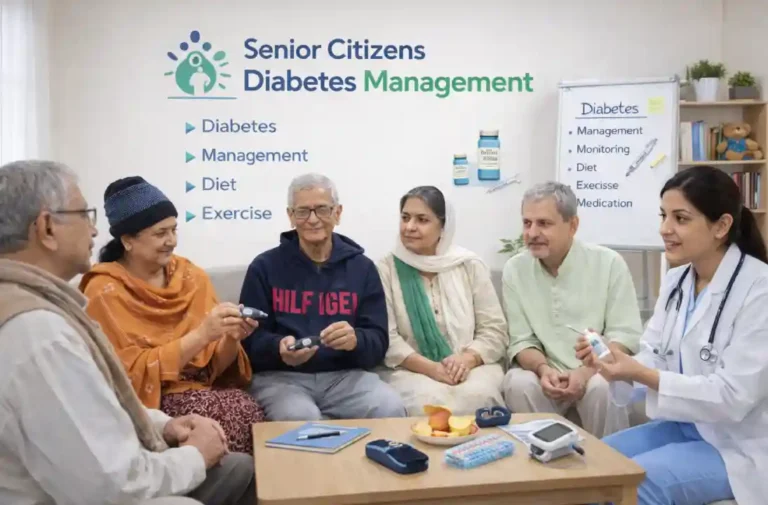
1. Why Diabetes Management Changes for Seniors
For younger adults, the goal is often “tight control.” However, in senior citizens diabetes management, the priority shifts toward safety and the prevention of hypoglycemia (dangerously low blood sugar).
As we age, our bodies become less sensitive to the warning signs of low blood sugar, such as shaking or sweating. This is why doctors often recommend slightly more relaxed A1C targets for seniors—typically between 7.0% and 8.0%, depending on overall health.
2. Personalized Nutritional Strategies
Nutrition is the cornerstone of health, but for seniors, it’s not just about cutting sugar. It’s about maintaining muscle mass and preventing malnutrition.
The “Plate Method” for Seniors
Forget complex calorie counting. Use the 9-inch plate rule:
Half the plate: Non-starchy vegetables (spinach, broccoli, cucumbers).
One-quarter: Lean protein (fish, beans, eggs, or chicken) to protect muscle health.
One-quarter: High-fiber carbohydrates (oatmeal, brown rice, or sweet potatoes).
Consistency is Key
Eating at the same time every day helps your medication work effectively. Skipping meals is a major risk factor for “hypos” (low sugar), which can lead to falls and confusion.
3. Safe Physical Activity: Moving with Purpose
Exercise improves insulin sensitivity and strengthens the heart. For effective senior citizens diabetes management, the focus should be on “low-impact” and “consistency.”
| Exercise Type | Benefits for Seniors | Examples |
|---|---|---|
| Aerobic | Lowers blood sugar, improves heart health, and boosts stamina. | Brisk walking, water aerobics, cycling. |
| Resistance | Builds muscle mass (sarcopenia prevention) and improves metabolism. | Resistance bands, light weights, chair squats. |
| Balance | Prevents falls, strengthens core, and improves stability. | Tai Chi, Yoga, heel-to-toe walking. |
Pro Tip: Always check your blood sugar before and after exercise. If it’s below 100 mg/dL, eat a small carbohydrate snack before starting.
4. Medication and Technology: Making it Simple
Managing multiple prescriptions (polypharmacy) is a common challenge. Effective senior citizens diabetes management involves simplifying your routine.
Smart Pill Organizers: Use daily boxes to track doses.
Continuous Glucose Monitors (CGM): Modern sensors like the Dexcom or Libre allow you to see your sugar levels on a phone or reader without constant finger pricks.
Medication Review: Once a year, ask your doctor to review your meds. Some older drugs (like long-acting sulfonylureas) increase fall risks and should be replaced with modern alternatives.
5. Preventing Complications: The “Big Three”
Diabetes can affect the whole body, but three areas require special attention for seniors:
Foot Care
Check your feet every single night. Use a mirror if you can’t see the bottoms. Look for red spots, blisters, or cuts. Because nerve damage (neuropathy) can numb your feet, you might not feel an injury until it becomes an infection.
Eye Health
High blood sugar can damage the blood vessels in the retina. Schedule an annual dilated eye exam. Early detection of retinopathy or cataracts can save your vision.
Mental Well-being
There is a strong link between diabetes and depression or cognitive decline in seniors. If you feel persistently “down” or are struggling with memory, talk to your provider. Mental health is a vital part of senior citizens diabetes management.
6. The Role of the Caregiver
If you are a caregiver, your role is to be a partner, not a “sugar police.”
Observe: Watch for “behavioral” signs of low sugar, like irritability or sudden confusion.
Prepare: Always keep “rescue carbs” (like glucose tablets or juice) nearby.
Hydrate: Seniors lose their sense of thirst. Ensure they drink water throughout the day, as dehydration can cause blood sugar to spike.
7. When to Call the Doctor
Reliable senior citizens diabetes management requires knowing when to seek professional help. Contact your medical team if:
Blood sugar is consistently above 250 mg/dL or below 70 mg/dL.
You notice a wound on the foot that won’t heal.
You experience frequent dizzy spells or falls.
Vision becomes blurred suddenly.
Summary for Success
Managing diabetes as a senior is about balance—balancing nutrition, movement, and medication to enjoy a high quality of life. By focusing on safety, consistency, and regular monitoring, you can prevent complications and stay active in your community.
Final Takeaway for Senior Citizens Diabetes Management:
Monitor regularly but aim for safe targets.
Move daily, even if it’s just a 10-minute walk.
Eat high-fiber meals at consistent times.
Check your feet every night.
Frequently Asked Questions (FAQ)
1. What is the ideal A1C target for senior citizens diabetes management?
In 2026, the American Diabetes Association (ADA) emphasizes individualized goals. For healthy seniors with few chronic illnesses, an A1C of <7.0–7.5% is typical. However, for those with complex health issues or cognitive decline, a more relaxed goal of <8.0% is often recommended to prioritize safety and avoid dangerous drops in blood sugar.
2. How can I ensure effective blood sugar control for elderly patients at home?
Consistency is the foundation of blood sugar control for elderly individuals. This involves eating high-fiber meals at the same time daily, staying hydrated, and using modern technology like Continuous Glucose Monitors (CGM). CGMs provide real-time data, reducing the need for painful finger pricks and allowing for immediate adjustments.
3. Why is hypoglycemia prevention in seniors so critical?
Hypoglycemia prevention in seniors is vital because older adults often experience “hypoglycemia unawareness,” where they don’t feel the typical symptoms of low blood sugar (like shaking). A sudden drop can lead to dizziness, confusion, and severe falls, which are major health risks in later life. Always keep a fast-acting carb, like glucose tablets, nearby.
4. What are the best types of low-impact exercise for diabetic seniors?
For effective senior citizens diabetes management, exercise should be sustainable and safe. Low-impact exercise for diabetic seniors includes:
Brisk Walking: 15–30 minutes daily.
Water Aerobics: Excellent for those with joint pain or arthritis.
Tai Chi or Yoga: Improves balance, which is essential for preventing falls. Always check blood sugar before starting any new routine.
5. Why is diabetic foot care for older adults often overlooked?
Diabetic foot care for older adults is a cornerstone of long-term health. Due to nerve damage (neuropathy) and poor circulation, a small blister can quickly turn into a serious infection. Seniors should perform a “nightly foot check” using a mirror to look for redness or cuts and should never walk barefoot, even indoors.
6. Can diet alone handle senior citizens diabetes management?
While a healthy diet (rich in lean proteins and non-starchy vegetables) is powerful, it is often just one part of the puzzle. Most seniors require a combination of diet, physical activity, and medication. The goal is to maintain at least 0.8g of protein per kg of body weight to prevent muscle loss while keeping glucose levels stable.
“While maintaining a healthy lifestyle is essential, choosing the right living environment also plays a vital role in an older adult’s well-being. For many families, finding a supportive and professional old age home in Kolkata has become a preferred way to ensure their loved ones receive 24/7 care and companionship. These facilities often provide specialized medical attention and structured routines, which are incredibly beneficial for effective senior citizens diabetes management. In a community setting, seniors can enjoy a balanced diet and social engagement, significantly reducing the stress associated with managing chronic health conditions alone.”
M.A.(Hons) in Geography at University of Calcutta.
writing-specific social work courses such as interviewing and documentation,
professional seminars, and writing modules in all BSW and MSW