
The Role of Natural Light in Elder Wellbeing: A 2026 Medical Pillar
As we navigate geriatric care in 2026, the simplest element is often the most powerful: sunlight. At Shibasram, we recognize that The Role of Natural Light in Elder Wellbeing has transitioned into a core pillar of medical care. While searching for the best old age home in Kolkata hub, families must prioritize environments that harness photons to fight cognitive decline.
The Biological Connection: Circadian Rhythm and Aging
The primary reason The Role of Natural Light in Elder Wellbeing is so critical lies in the body's "master clock." As we age, eyes become less efficient at absorbing blue light, which signals daytime to the brain. Proper morning exposure regulates melatonin and cortisol, preventing the confusion of "Sundowning" common in dementia care. Choosing a reputable old age home in Kolkata hub ensures that residents benefit from open architecture and garden spaces.
Sunlight is not just a comfort; it's a non-pharmacological intervention. In 2026, we utilize Biophilic Design to maximize Serotonin—the "feel-good" hormone. This reduces anxiety in assisted living environments and improves visual acuity, allowing seniors to engage in hobbies like reading or sewing with dignity and joy.
Vitamin D Synthesis: The Gold Standard for Immunity
| Benefit | Impact on Elderly Health |
|---|---|
| Bone Density | Prevents osteoporosis and reduces fracture risks significantly. |
| Immune Function | Lowers the severity of respiratory infections in the silver generation. |
| Muscle Strength | Reduces the frequency of falls by improving physical stability. |
Circadian Rhythm Mastery
The Role of Natural Light in Elder Wellbeing focuses on regulating melatonin production through morning sun, ensuring seniors fall asleep naturally without heavy sedation.
Cognitive Longevity Support
Studies show a direct link between light exposure and slowed cognitive decline. Bright light helps Alzheimer’s patients maintain a consistent sense of time and place.
Biophilic Architecture
Modern care facilities in 2026 use large windows, skylights, and reflective surfaces to bounce light into deeper corners, eliminating the isolation of dark environments.
Serotonin & Mental Health
Natural light triggers Serotonin production, which is essential for lowering the risk of late-life depression and anxiety in senior living communities.
Visual Acuity Improvement
High-quality ambient light allows seniors to maintain their hobbies. The Role of Natural Light in Elder Wellbeing ensures eye health is supported through anti-glare optimization.
Physical Stability & Safety
Vitamin D synthesized from sunlight improves muscle tone. This is a critical factor in fall prevention, a major concern for seniors in residential care.
Strategic Integration in Kolkata’s Tropical Climate
Kolkata’s unique climate offers an abundance of sunshine—a natural healing resource. A premier old age home in Kolkata hub must utilize open balconies and wide corridors to ensure residents aren't confined to artificial lighting. The Role of Natural Light in Elder Wellbeing is maximized when seniors can access garden spaces safely, balancing skin protection with the biological need for photons.
For seniors with limited mobility, window-side seating and specialized light therapy boxes are used to mimic the solar spectrum. As we look toward the future of elder care, the integration of nature and light remains the most cost-effective and powerful tool in our geriatric medical kit.
Expert FAQ on Light and Wellbeing
1. How much sunlight does a senior need daily?
Most experts recommend 20 to 30 minutes of natural light exposure, preferably in the morning, to help regulate sleep patterns and Vitamin D levels.
2. Can windows block the benefits of natural light?
While light still helps the circadian rhythm through windows, most glass blocks UVB rays, which are necessary for Vitamin D production. Being outdoors is always better when possible.
3. Does natural light help with dementia?
Yes. It helps reduce “sundowning” symptoms, decreases agitation, and helps patients maintain a better day-night cycle in memory care units.
4. What if the senior has sensitive eyes?
Use polarized sunglasses and wide-brimmed hats. The goal is skin and eye exposure to ambient ambient light, not staring directly at the sun.
5. Is artificial “Daylight” bulbs a good substitute?
They are a good supplement, especially in winter, but they lack the full spectrum and varying intensity of true natural sunlight found in the tropical climate.
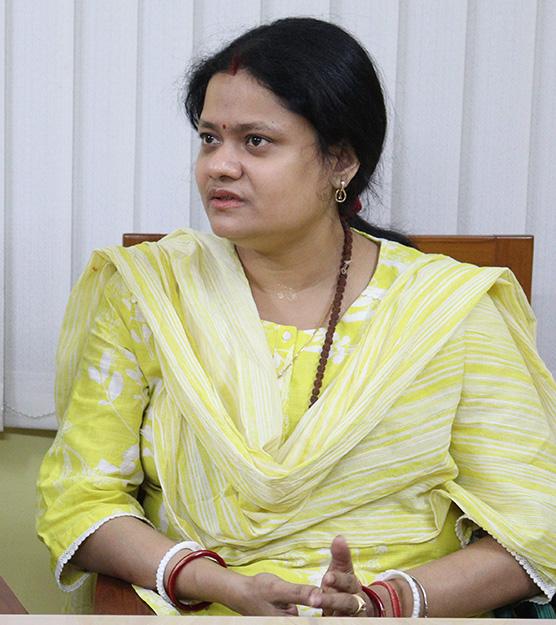
Jayitri Das
Senior Care SpecialistM.A.(Hons) in Geography at University of Calcutta. Specialist in writing social work modules, conducting professional seminars, and interviewing documentation in BSW and MSW fields. Dedicated to enhancing the lives of seniors through compassionate care models.