
When Home Stops Feeling Safe for Seniors: Recognizing the Shift and Taking Action
For decades, “home” is a sanctuary—a place of memories, comfort, and independence. However, there comes a subtle, often painful transition in the aging process when home stops feeling safe for seniors. It isn’t always a sudden fall or a medical emergency that signals this change; often, it’s a series of small, overlooked red flags that suggest the environment is no longer serving their well-being.
In 2026, with the advancement of aging-in-place technology and modern geriatric care, we have more tools than ever to assess safety. But the emotional weight remains. This guide explores how to identify that tipping point and what steps to take to ensure your loved ones live with dignity and security.
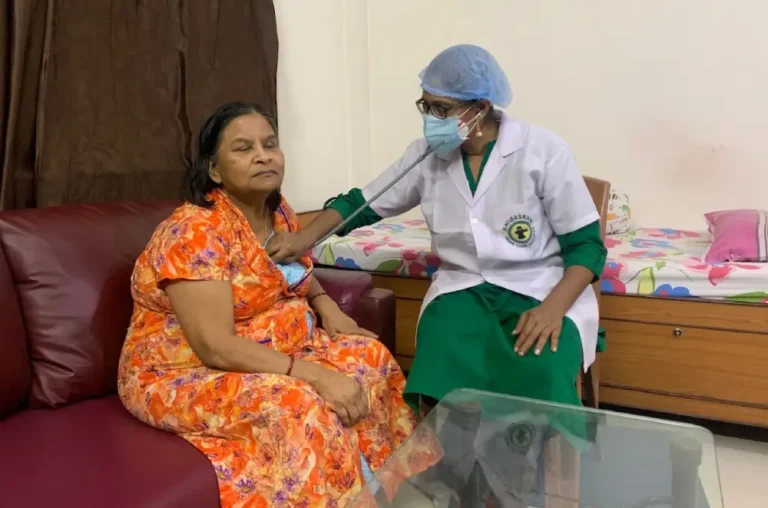
1. The Physical Vulnerabilities: Beyond Just Trip Hazards
The most obvious sign when home stops feeling safe for seniors is a decline in physical mobility. While we often think of “safety” as a lack of rugs or cluttered hallways, it goes deeper.
Muscle Atrophy & Balance: Sarcopenia (age-related muscle loss) can make simple tasks like getting out of a bathtub or navigating a single step a high-risk activity.
The “Furniture Surfing” Habit: If you notice your parent touching walls or grabbing furniture as they walk, their current living space is no longer providing the stability they need.
Vision and Lighting: Inadequate lighting in older homes becomes a major hazard as depth perception declines.
2. Cognitive Decline and Environmental Disorientation
Safety isn’t just physical; it’s mental. Cognitive health plays a massive role in whether a senior is safe alone.
Kitchen Mishaps: Scorched pans or a stove left on are classic indicators.
Wandering: If a senior becomes confused about where they are within their own home, the environment has become a source of stress rather than comfort.
Medication Mismanagement: Forgetting doses or doubling up is a leading cause of hospitalizations. When the home environment lacks a rigorous system for health management, it becomes a danger zone.
3. Social Isolation: The “Quiet” Safety Risk
We often overlook the fact that when home stops feeling safe for seniors, it’s sometimes because the home has become a cage. Social isolation is linked to higher rates of heart disease, stroke, and dementia.
If a senior is no longer leaving the house because the stairs are too daunting or they fear falling in the driveway, their home is actively contributing to their decline. A safe home should facilitate a life well-lived, not just survival.
4. The Burden of Home Maintenance
A house is a living entity that requires work. When a senior can no longer keep up with repairs, hygiene, or basic cleaning, the environment can become hazardous.
Hoarding or Clutter: Difficulty letting go of items can lead to narrowed walking paths.
Sanitation Issues: An inability to clean the bathroom or kitchen can lead to infections or respiratory issues.
Neglected Exterior: Long grass or icy walkways aren’t just an eyesore; they prevent emergency services from reaching the house quickly if needed.
5. Nutritional Neglect
Check the fridge. Is it filled with expired food? Or perhaps it’s nearly empty because the senior finds grocery shopping or cooking too exhausting? Malnutrition and dehydration are major factors that accelerate the feeling of insecurity at home. When home stops feeling safe for seniors, it often shows up on their dinner plate first.
6. Financial Vulnerability and Scams
In 2026, digital safety is as important as physical safety. Seniors living alone are prime targets for AI-driven voice scams and phishing. If a senior is struggling to manage their bills or is being targeted by “contractors” for unnecessary home repairs, the home is no longer a protected space.
7. What to Do When the Tipping Point is Reached
Recognizing that a change is needed is the hardest part. You have three primary paths:
Home Retrofitting: Installing smart sensors, fall detection AI, and structural modifications (ramps, lifts).
In-Home Care: Hiring professional caregivers to bridge the gap between independence and assistance.
Transitioning to Assisted Living: Sometimes, the best way to regain “safety” is to move to a community designed for senior needs.
The Importance of Professional Support in Kolkata
For those living in urban centers like West Bengal, the challenges of old, multi-story houses can be overwhelming. Seeking an old age home in kolkata is no longer seen as a “last resort” but as a proactive choice for a better quality of life. Modern facilities offer the medical supervision, social engagement, and physical safety that a traditional home might lack. If you are researching options, look for places that prioritize medical and provide a holistic environment for your elders.
FAQs: Addressing Your Concerns
Q1: How do I talk to my parents about leaving their home? A: Start the conversation early. Focus on “safety and vitality” rather than “loss of independence.” Use specific examples you’ve noticed, like missed medications or difficulty with stairs.
Q2: Is aging in place always the best option? A: Not necessarily. While most seniors prefer to stay home, when home stops feeling safe for seniors due to severe mobility issues or dementia, a specialized facility often provides a higher quality of life.
Q3: What are the most cost-effective home safety upgrades? A: Improving lighting, installing grab bars in the bathroom, and removing all throw rugs are low-cost moves that significantly reduce fall risks.
Q4: How can I monitor safety remotely? A: In 2026, AI-powered floor sensors can detect falls without the need for a wearable pendant, and smart stoves can automatically shut off if left unattended.
Q5: What should I look for in a senior living facility? A: Look for staff-to-resident ratios, the quality of medical equipment, on-site emergency response, and the variety of social activities provided.
M.A.(Hons) in Geography at University of Calcutta.
writing-specific social work courses such as interviewing and documentation,
professional seminars, and writing modules in all BSW and MSW