How Climate Change Is Shaping Senior Wellness: The Urgent Need for Thoughtful Care
85% increase in heat-related deaths among seniors since the 1990s. 8.8 million Indians aged 60+ live with dementia. Climate change is here, and it is affecting the most vulnerable among us. Discover how thoughtful senior care can protect our elderly population.
Free Consultation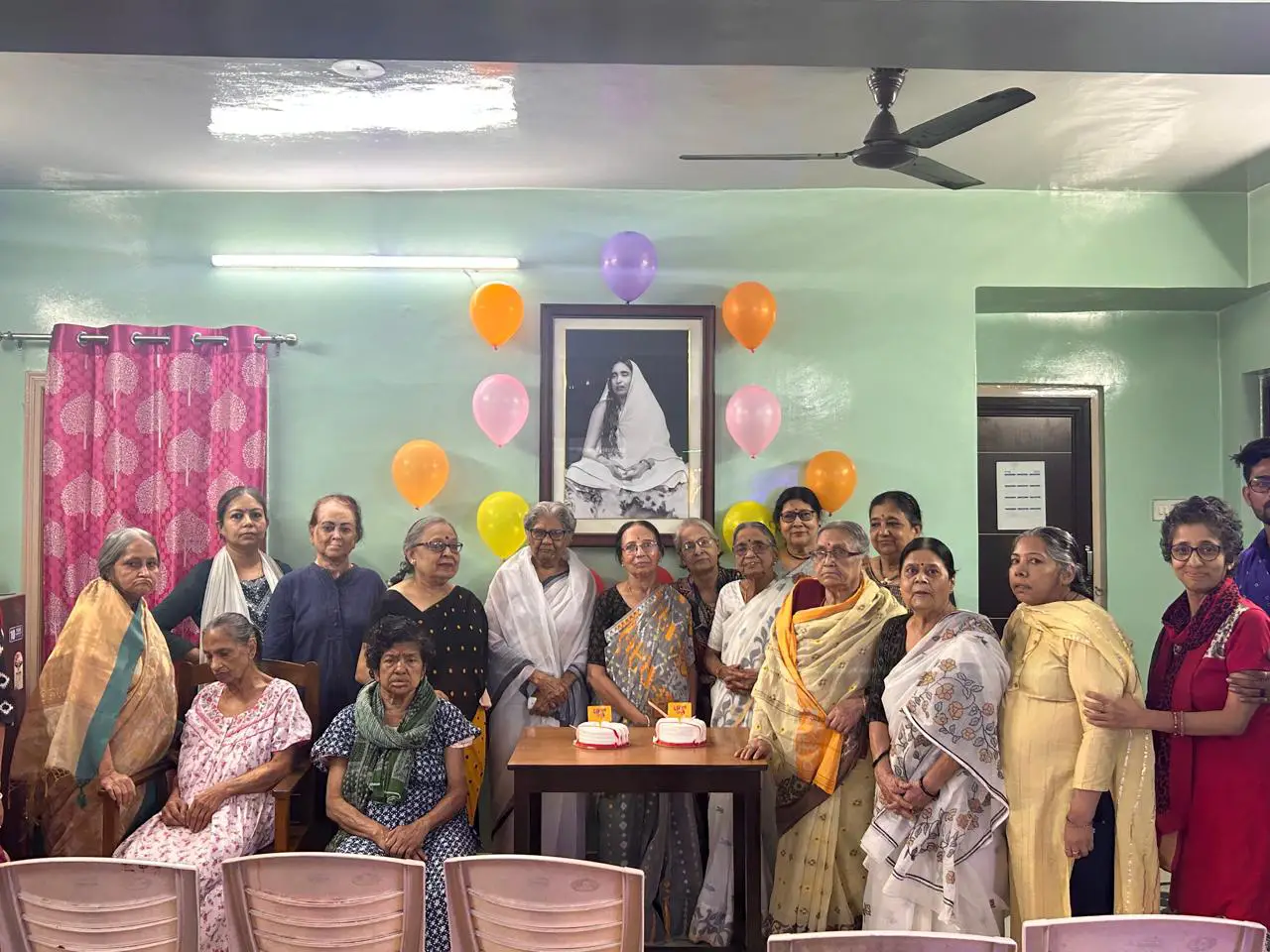
Introduction
Climate change is no longer a distant threat. It is here, and it is affecting the most vulnerable among us—our senior citizens.
India is experiencing this reality firsthand. Between 1986-2005 and 2013-2022, older adults aged 65 years and above experienced 2.1 to 4 additional heatwave days per person per year. This is not just a statistic. It is millions of elderly individuals struggling to cope with rising temperatures, poor air quality, and extreme weather events.
Heat-related deaths among people aged 65 and above have surged by an estimated 85 per cent since the 1990s. If global temperatures rise by 2 degrees Celsius, these deaths are projected to soar by a staggering 370 per cent by 2050.
The numbers tell a grim story. But there is hope. With thoughtful senior care and climate-resilient living environments, we can protect our elderly population. This article explores how climate change is reshaping senior wellness and why urgent action is needed.
The Physical Health Impacts of Climate Change on Seniors
Heat Exposure and Cardiovascular Strain
The human body becomes less effective at regulating internal temperature with age. This makes seniors particularly vulnerable to extreme heat. Acute and prolonged exposure to intense heat puts significant strain on the heart, increasing the risk of illnesses and death from cardiovascular, cerebrovascular, and respiratory conditions such as stroke, myocardial infarction, heart failure, asthma, and pneumonia.
A study published in 2026 examining heat exposure and health outcomes among older adults in India found a significant association between heat exposure and worsening self-reported health and mental health. This included increased feelings of depression, fatigue, fear, and decreased life satisfaction.
In 10 Indian cities, daily mortality among the elderly rose by 14.7 per cent, attributed to extreme heat events.
Respiratory Illnesses and Chronic Conditions
Climate change does not just bring heat. It brings poorer air quality, longer allergy seasons, and increased spread of infectious diseases. Wildfires, which are becoming more frequent due to climate change, have been shown to increase respiratory disorders and cardiovascular mortality rates for older people.
Senior wellness is directly impacted by these environmental changes. Older adults with pre-existing conditions like asthma, chronic obstructive pulmonary disease (COPD), or heart disease face compounded risks. Each heatwave, each spell of poor air quality, becomes a potential trigger for a health crisis.
The Mental Health Toll: Anxiety, Depression, and Isolation
Climate change is increasingly influencing older adults' mental health and well-being. A qualitative study involving 876 older adults from three countries found alarming rates of mental health challenges during and after climate events.
The Numbers Are Startling
Among older adults surveyed:
- 86.1% experienced anxiety and distress
- 77.9% reported emotional trauma
- 52.5% experienced emotional outbursts
- 57.9% had disruption in sleep behaviour
- 45.1% showed increased aggressive behaviour
- 42.7% had a deficient diet
These are not just numbers. They represent real people struggling to cope. Climate change does not just affect physical health; it erodes mental wellness.
The Cycle of Anxiety
Older adults can experience anxiety, depressive symptoms, post-traumatic stress symptoms, and sleep disturbances in the aftermath of climate disasters. Disaster exposure can lead to adjustment disorders, anxiety, acute or post-traumatic stress symptoms, depression, sleep disturbances, substance misuse, and suicidality.
The fear of what is coming—the next heatwave, the next flood, the next spell of toxic air—creates a cycle of chronic anxiety that is particularly hard on elderly individuals who may already feel vulnerable and dependent.
Air Pollution: The Silent Threat to Brain Health
India is home to 140 of the world's 200 most polluted cities. With nearly 12 per cent of India's population aged 60 and above—a figure expected to reach 19 per cent by 2050—the country stands at the intersection of a pollution crisis and a demographic transition.
Pollution and Cognitive Decline
Chronic exposure to polluted air undermines the health and functional capacity of older adults. More concerning is the emerging link between air pollution and dementia. In India, dementia affects 7.4% of adults aged 60 and above, which translates to approximately 8.8 million individuals.
Air pollution emerges as a critical facet of the dementia puzzle in India. The looming threat of poor air quality is not just about respiratory health—it is about brain health too.
Healthcare System Strain
Air pollution increases the demand for chronic care services, disproportionately straining public healthcare systems in the country's poorer states. Higher morbidity in the 50+ population can lead to earlier pension claims and rising public expenditure on elderly care.
A 2019 Lancet study estimated that 1.7 million premature deaths in India were linked to air pollution that year, with a significant share comprising adults aged over 50.
Extreme Weather Events: Beyond Just Heat
Climate change brings more than heatwaves. It brings floods, cyclones, cold waves, and droughts. Each of these poses unique threats to senior wellness.
Cold Waves
The National Human Rights Commission (NHRC) has urged 19 states and 4 Union Territories to take preventive measures to protect vulnerable populations from cold waves. Citing NCRB data, 3,639 deaths were recorded between 2019 and 2023 due to cold waves, with the elderly, children, and the homeless being most at risk.
Floods and Displacement
Extreme rainfall events lead to displacement, loss of property, and disruption of healthcare services. For seniors with mobility issues or chronic conditions, flooding can be catastrophic. A single day of 150mm of rainfall results in increased mortality across all age groups.
The Cumulative Effect
The cumulative effect of these extreme weather events is eroding the quality of life for elderly individuals. Each disaster leaves behind trauma, health complications, and increased dependence on caregivers. This is why thoughtful care is not just about treating illness—it is about preventing harm before it happens.
The Urban Heat Island Effect: City Dwellers at Greater Risk
The urban heat island effect means dense built-up areas can feel several degrees hotter than tree-lined or less developed parts of the city. For elderly residents in cities like Kolkata, Delhi, and Mumbai, this is a daily reality.
A Kolkata Case Study
In a Kolkata slum, construction materials and the urban heat island effect combined to create hotter indoor than outdoor conditions throughout the day, and particularly at night. As a result, elderly slum residents were 4.3 times more likely to experience dangerous heat index levels (≥ 45°C) compared to rural village elderly.
The Indoor Heat Problem
Many seniors spend most of their time indoors. When indoor temperatures remain dangerously high, the risk of heat exhaustion, dehydration, and heatstroke increases dramatically. Lack of indoor thermal comfort puts them at a greater risk of illness, leading to lost wages or higher healthcare expenses.
This is why climate-resilient senior care facilities are essential. Seniors need living environments that remain cool in summer, warm in winter, and safe throughout the year.
Climate-Resilient Senior Care: What Thoughtful Care Looks Like
Thoughtful care for seniors in the era of climate change requires a holistic approach. It is not just about medical treatment. It is about creating environments that protect, nurture, and support.
Climate-Responsive Architecture
Senior living facilities must be designed with climate resilience in mind. This includes:
- Natural ventilation and cross-ventilation to keep indoor temperatures comfortable
- Shaded walking networks and green spaces for safe outdoor activity
- Passive cooling systems that reduce reliance on energy-intensive air conditioning
- Solar energy and rainwater harvesting for sustainable operations
A well-designed senior living community can dramatically reduce the health stress of extreme weather on elderly residents.
Access to Cooling and Healthcare
Access to cooling devices mitigates adverse health effects in rural areas, while access to onsite water benefits urban residents. The availability of cooling systems, hydration support, and regular health monitoring can mean the difference between life and death during heatwaves.
24/7 Medical Support
Professional senior care must include round-the-clock medical support. During extreme weather events, seniors need immediate access to healthcare. This is particularly crucial for those with chronic conditions like diabetes, hypertension, or heart disease.
At facilities like Shibasram Trust, comprehensive care includes regular health check-ups, 24/7 nursing support, emergency response systems, medication management, and specialized care for conditions like dementia.
Mental Health Support
Given the high rates of anxiety, depression, and emotional trauma associated with climate events, mental health support must be integrated into senior care. This includes counseling, social activities, and creating opportunities for seniors to stay connected and engaged.
The Role of Senior Living Communities in Climate Protection
Senior living communities have a unique responsibility to protect their residents from climate-related health risks. Here is how they can make a difference.
Creating Safe Outdoor Spaces
Shaded walking paths, gardens, and outdoor seating areas allow seniors to enjoy fresh air without being exposed to dangerous heat or pollution. Green spaces also help reduce the urban heat island effect and improve mental wellness.
Emergency Preparedness
Senior living communities must have comprehensive emergency plans for heatwaves, floods, cyclones, and cold waves. This includes early warning systems, backup power and water supply, evacuation plans, and coordination with local authorities.
Health Monitoring Systems
Regular monitoring of vital signs, hydration levels, and cognitive function can help detect problems early. This is especially important during extreme weather events when health can deteriorate rapidly.
Community and Connection
Social isolation is a major risk factor for both physical and mental health decline in seniors. Senior living communities provide built-in social connections through group activities, shared meals, and community events. This social support is a buffer against the anxiety and depression caused by climate-related stress.
Government Initiatives and What More Needs to Be Done
Heat Action Plans
In April 2025, the Delhi government launched its Heat Action Plan to mitigate the health impacts of extreme heat. The plan focuses on targeted interventions for vulnerable groups, including the elderly, children, pregnant women, persons with disabilities, and outdoor workers.
Key strategies include:
- Early warning systems
- Training for healthcare workers
- Public awareness campaigns
- Partnerships with NGOs
- Expanding green cover
- Promoting "cool roof" technologies
- Reducing the urban heat island effect
NDMA Guidelines
The National Disaster Management Authority (NDMA) has classified heatwaves as a disaster. The authority emphasises identifying high-risk groups, including children and the elderly, and provides processes and resources for mitigating heat-related illnesses.
What More Is Needed
Despite these initiatives, much more needs to be done:
- Standardized heat action plans across all states
- Improved air quality monitoring and public alerts
- Subsidies for cooling systems in senior care facilities
- Training for caregivers on climate-related health risks
- Research on climate and cognitive decline to understand the connection better
The NHRC acknowledges that changing weather patterns due to climate change affect human rights and affirms its commitment to protect vulnerable populations impacted by extreme weather events. This is a step in the right direction, but implementation is key.
What Families Can Do to Protect Their Elderly Loved Ones
As a family member of a senior citizen, you play a crucial role in protecting them from climate-related health risks.
1. Stay Informed
Monitor weather forecasts, heatwave alerts, and air quality indices. The Ministry of Health has released essential guidelines to protect citizens from heat-related illnesses, including avoiding stepping out in the sun between 12 noon and 3 pm.
2. Ensure Access to Cooling
Make sure your elderly loved one has access to fans, air conditioning, or cool rooms during hot weather. If they cannot afford cooling systems, explore government subsidies or community programmes.
3. Prioritise Hydration
Encourage regular water intake. Older adults often do not feel thirsty even when dehydrated. Set reminders if needed.
4. Monitor Health Closely
Pay attention to signs of heat exhaustion (confusion, dizziness, nausea, rapid heartbeat) and cognitive changes during hot weather. If you notice anything unusual, seek medical help immediately.
5. Consider Climate-Resilient Senior Living
If your elderly loved one lives alone or in a home that is not climate-resilient, consider assisted living or old age homes that offer:
- Air-conditioned or well-ventilated spaces
- 24/7 medical support
- Regular health monitoring
- Social engagement opportunities
Facilities like Shibasram Trust in Kolkata provide comprehensive senior care in a safe, supportive environment.
6. Stay Connected
Regular phone calls or visits can help reduce anxiety and isolation. During extreme weather events, check in more frequently.
7. Plan for Emergencies
Have a plan in place for heatwaves, floods, or power outages. Know where the nearest cooling centre or shelter is located. Keep emergency contact numbers handy.
Conclusion: The Time to Act Is Now
Climate change is reshaping senior wellness in profound and alarming ways. The data is clear: heat-related deaths among seniors have risen 85% since the 1990s, extreme weather events are becoming more frequent and intense, and air pollution is emerging as a critical threat to brain health.
The vulnerability of older adults to climate change is not just a health issue. It is a human rights issue. It is a family issue. It is a societal issue.
Thoughtful care for seniors in the era of climate change requires:
- Climate-resilient infrastructure in senior living facilities
- Access to cooling and healthcare during extreme weather
- Integration of mental health support into senior care
- Strong government policies and community support
- Active involvement of families in protecting their elderly loved ones
The good news is that we have the knowledge and the tools to act. What we need now is the will to act.
If you are looking for a safe, supportive, and climate-resilient senior living environment, consider reaching out to Shibasram Trust. With comprehensive assisted living options, specialized dementia care, and a commitment to thoughtful, compassionate care, Shibasram is dedicated to protecting the health and wellness of senior citizens in Kolkata.
The time to act is now. Our seniors deserve nothing less.
Explore Shibasram's trusted senior care services:
📍 Santoshpur, Kolkata | 24/7 nursing | Home-like environment
Frequently Asked Questions
Need Thoughtful Senior Care?
Shibasram Trust provides climate-resilient senior living with 24/7 medical support, mental health care, and a compassionate environment in Kolkata.
Call +91 99038 14392📍 Santoshpur, Kolkata | Free pre-admission assessment