
How Seniors Define Quality of Life: A 2026 Comprehensive Guide to Aging Well
Understanding the New Standard of Aging
As the global population shifts towards a “super-aged” society in 2026, the discussion around elderly care has moved beyond simple medical checklists. Today, the core question for families and healthcare providers is: How seniors define quality of life in an era of digital health and aging-in-place?
Quality of Life (QoL) is no longer a static measurement. It is a dynamic, “intertwined web” of physical, mental, and social factors. Based on the synthesis of 48 qualitative studies involving over 3,400 participants, we now understand that seniors view their well-being through a lens of adaptation and autonomy.
The 9 Essential Domains: How Seniors Define Quality of Life
When asked about their happiness and satisfaction, older adults consistently point to nine specific areas. Understanding these is vital for anyone looking to improve the lives of the elderly.
1. Autonomy and Independence
For most seniors, the ability to make their own decisions is the foundation of dignity. This includes choosing daily routines, managing finances, and having a “say” in their medical care.
2. Role and Meaningful Activity
Retirement shouldn’t mean a loss of purpose. Whether it is volunteering, gardening, or “foster grandparenting,” staying busy with meaningful tasks is a top priority in how seniors define quality of life.
3. Health Perception (The “Pragmatic” View)
Interestingly, seniors don’t define health as the absence of disease. Instead, they view it as the ability to “do what they want to do” despite chronic conditions. It is about functional capacity rather than a perfect medical report.
4. Social Relationships and Connections
Isolation is the greatest enemy of aging. Strong bonds with family, friends, and neighbors provide the emotional safety net required for a high QoL.
5. Attitude and Adaptation
Successful aging often depends on a “life philosophy.” Those who stay positive and adapt to their physical changes report much higher satisfaction levels than those who resist the aging process.
6. Emotional Comfort
Peace of mind, feelings of safety, and freedom from excessive worry contribute significantly to the internal landscape of a senior’s life.
7. Spirituality and Inner Peace
For many, the later stages of life involve “turning inwards” to find peace with the past and the approaching future. This sense of spiritual completion is a common theme in Western aging studies.
8. Home and Neighborhood
The physical environment matters. Living in a neighborhood that feels safe, has accessible services, and allows for “aging in place” is crucial.
9. Financial Security
While wealth isn’t everything, the assurance that one has enough to cover basic needs and medical care removes a massive layer of stress.
Why “Subjective” Views Matter More Than Ever
Traditional medical models often focus on “cure.” However, for many seniors, cure is not the goal—care and maintenance are. By focusing on how seniors define quality of life, care providers can align their services with the actual expectations of the elderly.
“QoL is inherently a dynamic, multi-level and complex concept, reflecting objective, subjective, and individual influences which interact together.”
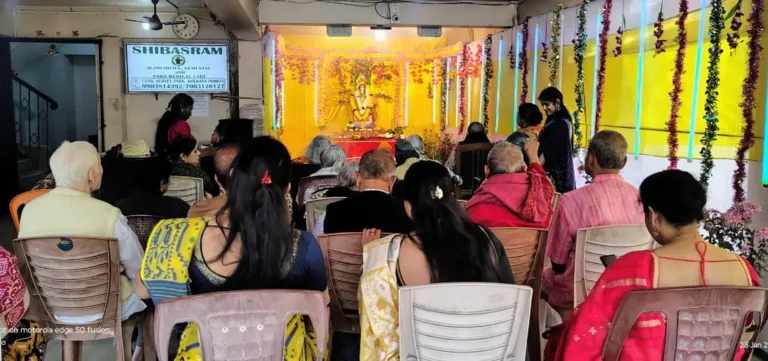
When considering the best environment for seniors, location and quality of service are paramount. If you are looking for a facility that understands how seniors define quality of life, exploring an old age home in Kolkata might be the right step. These facilities are increasingly focusing on the 9 domains of QoL, ensuring that residents maintain their autonomy while receiving the physical and emotional support they need. Whether it is social engagement or specialized geriatric care, finding a home that respects the “individual’s voice” is the hallmark of modern eldercare in West Bengal.
FAQ: Common Questions on Senior Quality of Life
Q1: What is the most important factor in how seniors define quality of life? A: While it varies, most studies show that social relationships and health perception (functionality) are the most consistently ranked top priorities.
Q2: Does living at home always guarantee a higher QoL? A: Not necessarily. While “aging in place” is preferred, a home can become a place of isolation without proper community support and neighborhood safety.
Q3: How does financial security impact aging? A: Financial security acts as a facilitator. It allows seniors the freedom to access better healthcare, safer housing, and social activities, which in turn boosts their overall QoL.
Q4: Is “Successful Aging” the same as Quality of Life? A: They overlap, but “Successful Aging” often focuses on strategies for coping and maintaining a positive outlook, whereas QoL is a broader measure of current life satisfaction.
Q5: How can family members help improve a senior’s QoL? A: By supporting their autonomy. Instead of doing everything for them, help them find ways to do things themselves, and ensure they stay socially connected.
M.A.(Hons) in Geography at University of Calcutta.
writing-specific social work courses such as interviewing and documentation,
professional seminars, and writing modules in all BSW and MSW