
Psychological Safety for Seniors: 7 Secrets to Emotional Well-being
Psychological safety is becoming the cornerstone of geriatric care. Whether they are living at home or in a specialized facility, the need for an environment where seniors can voice their concerns, admit to physical struggles, or express their emotions without fear of being a “burden” is essential.
But what does Psychological Safety for Seniors truly look like in practice? It goes beyond physical security or medical checkups. It is the profound belief that one can remain authentic and vulnerable without facing judgment, social exclusion, or the loss of autonomy.
The Core Meaning of Psychological Safety for Seniors
At its heart, Psychological Safety for Seniors is about the freedom to exist in a social circle—be it family or a care home—where your presence is valued regardless of your physical or cognitive decline. Drawing from Amy Edmondson’s research on group dynamics, we can adapt this to the elderly: it is a “shared belief that the environment is safe for interpersonal risk-taking.”
For a senior, “risk-taking” might mean:
Admitting they can no longer drive safely.
Expressing sadness about the loss of a spouse.
Asking for help with technology without feeling “old” or “clumsy.”
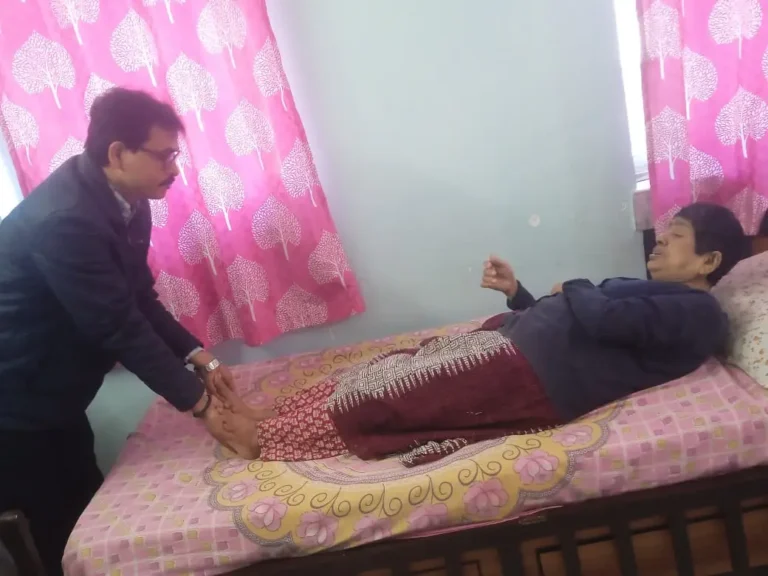
Dimensions of Psychological Safety for the Elderly
To truly foster Psychological Safety for Seniors, we must look at five critical dimensions:
Openness to Communication: Seniors must feel they can discuss health issues or fears without the family reacting with panic or dismissiveness.
Dignity and Mutual Respect: Aging often brings a loss of roles. Maintaining psychological safety means treating a senior as an adult with a history, not a child to be managed.
Freedom to Make Choices (Autonomy): Even small choices—like what to wear or when to eat—contribute to a sense of control.
Emotional Security: A safe space allows for the expression of “negative” emotions like frustration or grief without the fear of being labeled “difficult.”
Learning Orientation: In 2026, technology is everywhere. Seniors need a safe space to learn new tools (like AI health monitors) without feeling incompetent.
The Science: Self-Determination Theory (SDT) and Aging
The importance of Psychological Safety for Seniors is deeply rooted in Self-Determination Theory (SDT). According to Ryan & Deci (2000), humans have three basic needs: Autonomy, Competence, and Relatedness.
Autonomy: The need to be the master of one’s life.
Competence: The feeling of being effective in one’s activities.
Relatedness: The need to feel connected to others.
When a care environment or family dynamic prioritizes Psychological Safety for Seniors, it directly fulfills the need for Relatedness. When seniors feel they belong and are accepted for who they are, their cortisol levels drop, cognitive decline slows, and their overall quality of life improves.
Practical Ways to Foster Psychological Safety
Fostering Psychological Safety for Seniors requires intentional action from caregivers and family members:
Active Listening: Don’t just hear; listen. Validate their feelings before offering solutions.
Vulnerability Modeling: Share your own struggles. If a caregiver admits to a mistake, it gives the senior permission to do the same.
Eliminate “Elder Speak”: Avoid talking to seniors in a high-pitched, baby-like tone. It undermines their psychological safety and sense of competence.
Encourage Social Risk-Taking: Support them in joining new groups or picking up a hobby they’ve never tried before.
| Feature | Low Psychological Safety | High Psychological Safety |
| Response to Mistakes | Shaming or “taking over” tasks | Learning together / gentle support |
| Communication | Top-down instructions | Collaborative dialogue |
| Sense of Self | Feeling like a “patient” or “burden” | Feeling like a “valued family member” |
| Emotional State | Anxiety, withdrawal, silence | Engagement, sharing, resilience |
Old Age Home in Kolkata: Creating Safe Havens
When looking for an old age home in Kolkata, families should prioritize facilities that emphasize emotional well-being over just physical infrastructure. A top-tier old age home in Kolkata integrates Psychological Safety for Seniors into its daily routine, ensuring that residents are not just “housed,” but are part of a thriving community. These centers provide professional counseling, intergenerational activities, and a culture of respect that helps seniors transition into a new phase of life with dignity. By choosing the right environment, you ensure your loved ones remain mentally active and emotionally secure in their golden years.
Advantages of Prioritizing Psychological Safety
Reduced Depression: Seniors who feel safe to express themselves are less likely to fall into clinical depression.
Better Health Reporting: They are more likely to report early symptoms of illness, leading to faster medical intervention.
Increased Longevity: Emotional peace is directly linked to heart health and immune function.
Stronger Family Bonds: Open communication reduces the “caregiver burnout” and resentment often found in silent households.
Conclusion
Psychological Safety for Seniors is the foundation of a life well-lived. In 2026, as we live longer, the quality of those years depends on the environments we create. By fostering trust, autonomy, and open communication, we allow our elders to age not just with grace, but with a vibrant sense of self.
FAQ: Frequently Asked Questions
Q1: What is the main goal of Psychological Safety for Seniors? A1: The primary goal is to create an environment where the elderly feel safe to take interpersonal risks—such as expressing needs, sharing fears, or admitting mistakes—without the fear of being judged, ignored, or losing their dignity.
Q2: How does psychological safety differ from physical safety? A2: Physical safety focuses on preventing falls and injuries. Psychological Safety for Seniors focuses on the “internal” environment, ensuring the senior feels mentally and emotionally secure in their social interactions.
Q3: Can an old age home provide psychological safety? A3: Yes, many modern facilities are designed with a “person-centered” approach. They foster safety by encouraging residents to participate in decision-making and providing staff trained in empathetic communication.
Q4: Does psychological safety help with Dementia? A4: Absolutely. While it cannot cure Dementia, a psychologically safe environment reduces the agitation and anxiety often associated with cognitive decline, making the senior feel more grounded and less threatened.
Q5: How can I tell if a senior feels psychologically unsafe? A5: Signs include sudden social withdrawal, “masking” health problems, excessive apologizing, or a noticeable decline in their willingness to make simple choices for themselves.

M.A.(Hons) in Geography at University of Calcutta.
writing-specific social work courses such as interviewing and documentation,
professional seminars, and writing modules in all BSW and MSW