What Amenities Come with Senior Living Facilities? – 2026 Complete Checklist
Published: May 2026 | Reading time: 6 minutes
Choosing a senior living facility is about more than just a room and three meals. Today’s retirement communities, assisted living homes, and old age homes offer a wide range of amenities designed to enhance safety, comfort, social engagement, and overall well‑being. Whether you are exploring options for a parent or planning your own future, knowing what amenities to expect helps you make an informed decision.
This guide provides a complete checklist of amenities commonly found in modern senior living facilities. Use it to compare communities and find the right fit.
This is a general, location‑independent guide. If you are looking for senior living options in Kolkata, including specialised dementia care, please see our main resources at the end.
1. Core Amenities – The Basics
Every reputable senior living facility should include these foundational amenities:
| Amenity | What It Means |
|---|---|
| Private or semi‑private room | Own space with a bed, wardrobe, and chair. Some facilities offer studio or 1BHK apartments. |
| Attached bathroom | Non‑slip flooring, grab rails, and an emergency call bell. |
| Regular housekeeping | Daily sweeping, dusting, and weekly deep cleaning. |
| Laundry service | Linen changed and personal laundry done (check if there’s a limit). |
| Three nutritious meals + snacks | Balanced meals customisable for diabetic, low‑salt, soft, or Jain diets. |
| 24/7 security | Guarded entrance, CCTV in common areas, and secured access. |
| Emergency call bell | A button in the room and bathroom that alerts staff immediately. |
| Backup generator | Ensures lights, fans, lifts, and medical devices work during power cuts. |
2. Medical & Wellness Amenities
For seniors with chronic conditions or those who want proactive health management, these amenities are essential:
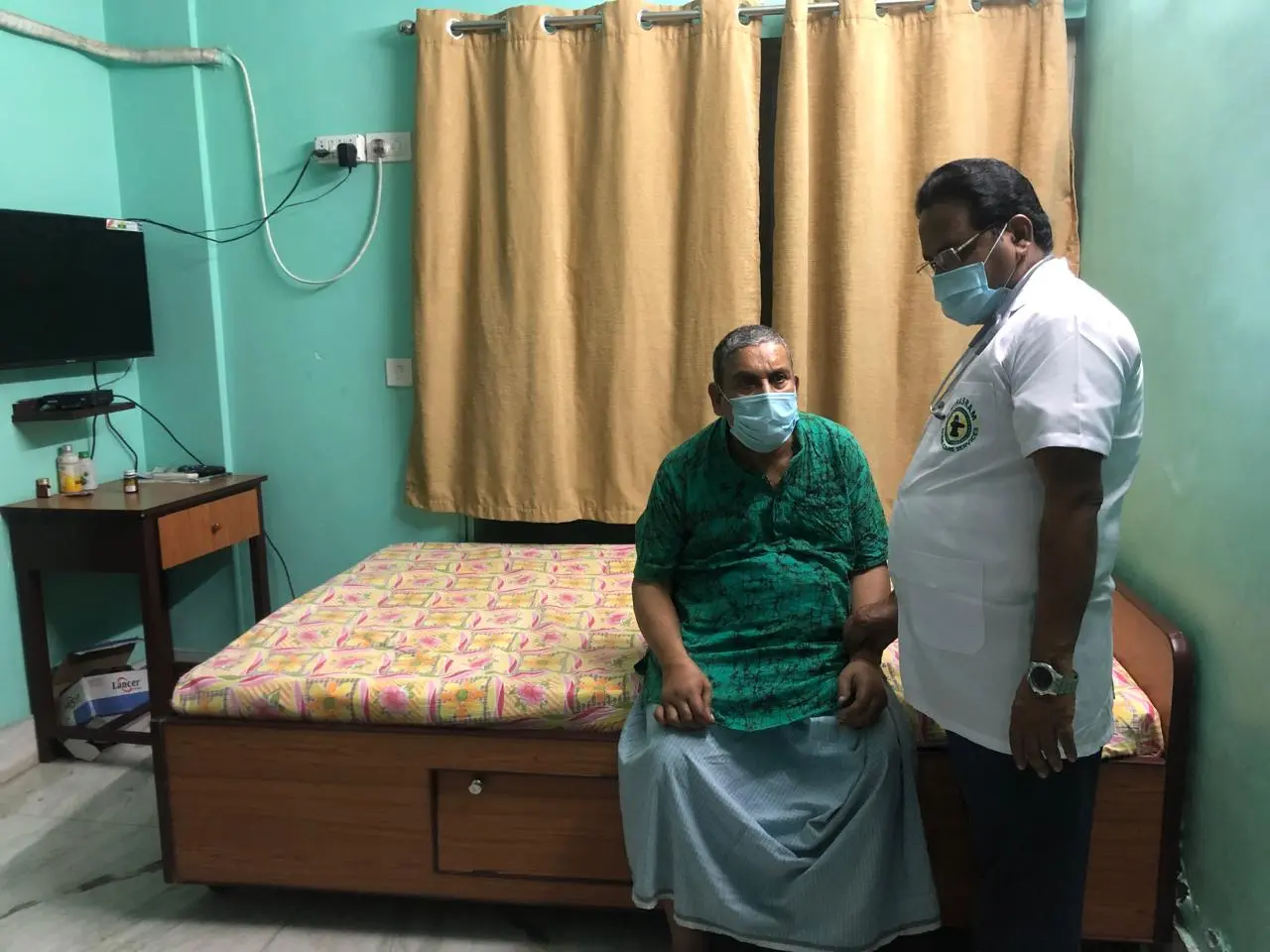
- 24/7 nursing staff – Registered nurse on duty (day) and trained caregiver at night.
- Visiting doctor – General physician or geriatrician at least twice a week.
- On‑call doctor – Access to a doctor by phone for urgent advice.
- Oxygen cylinder & first aid – Present and maintained; ask to see them.
- Ambulance tie‑up – Written agreement with a nearby hospital (≤5 km).
- Daily health monitoring – Regular BP, blood sugar, temperature checks.
- Medication management – Nurse administers or reminds medicines; logs kept.
- Physiotherapy room – Equipment and visiting or on‑site physiotherapist.
- Wellness programmes – Yoga, meditation, chair exercises, and health talks.
3. Safety & Infrastructure Amenities
A safe environment prevents falls, accidents, and emergencies:
- Handrails in corridors – Along all hallways and inside bathrooms.
- Non‑slip flooring – Especially in wet areas (bathrooms, kitchen).
- Fire extinguishers & smoke alarms – Visible and regularly inspected.
- Emergency evacuation plan – Posted and practised with staff.
- Wheelchair accessibility – Ramps at entrances, wide doorways, lifts.
- Night lights – Low‑level lighting in hallways and resident rooms.
- Call bell response time – Staff should respond within 2 minutes (test during visit).
4. Social & Recreational Amenities
Loneliness is a major health risk. A good facility offers opportunities for connection:
- Common lounge or TV room – Comfortable seating for socialising.
- Activity room – For games (carrom, chess, cards), puzzles, and crafts.
- Library or reading corner – Newspapers, magazines, and large‑print books.
- Garden or outdoor seating – Accessible pathways, benches, and shade.
- Daily or weekly activities – Yoga, music sessions, movie nights, art classes.
- Festival celebrations – Group celebrations for Durga Puja, Diwali, Christmas, Eid, etc.
- Day trips – Visits to parks, temples, museums, or shopping areas (extra cost).
- Religious / spiritual space – A small temple, prayer hall, or quiet meditation room.
5. Food & Dining Amenities
Good nutrition is non‑negotiable. Look for:
- On‑site kitchen – Meals cooked fresh daily; not delivered from outside.
- Dietitian oversight – Menus designed by a qualified nutritionist.
- Customised meals – Diabetic, low‑sodium, soft/pureed, low‑protein (renal), Jain, vegetarian, non‑vegetarian.
- Multiple meal timings – Breakfast, lunch, evening tea, dinner, and bedtime milk.
- Restaurant‑style dining – Option to eat in common dining hall with table service.
- In‑room dining – For residents who are unwell or prefer privacy (may be extra).
- Snacks and hydration – Access to water, tea, coffee, and light snacks between meals.
6. Housekeeping & Maintenance Amenities
A well‑maintained facility shows quality care:
- Daily room cleaning – Mopping, dusting, bed making.
- Weekly deep cleaning – Windows, cupboards, under‑bed areas.
- Linen change – Fresh sheets and towels at least twice a week.
- Pest control – Monthly schedule; ask for the record.
- On‑site maintenance staff – Repairs for plumbing, electrical, AC, and furniture.
7. Technology & Convenience Amenities (2026 Standards)
Modern facilities increasingly offer tech amenities that enhance safety and family connection:
- Wi‑Fi / internet access – In common areas or individual rooms.
- Family portal or app – Daily updates on health, activities, and photos.
- Smart call bells – Escalate to multiple staff if unanswered.
- Fall detection devices – Wearable pendants or wall sensors (higher‑end facilities).
- Telemedicine kiosk – Consult a specialist without leaving the facility.
- TV connection – Cable or smart TV in resident rooms (may be extra).
8. Extra / Premium Amenities (Luxury or High‑End Facilities)
These are not essential but add comfort and enjoyment:
- Swimming pool – Heated and with senior‑safe access (ramp, handrails).
- Spa or salon – On‑site hair cutting, nail care, massage (extra fee).
- Library or computer room – For residents who enjoy reading or email.
- Transport service – Scheduled trips to doctors, shopping, or outings.
- Butler or concierge – Assistance with personal errands.
- Private garden or terrace – For residents who enjoy gardening.
- Pet‑friendly policy – Allows small, well‑behaved pets (rare).
9. How to Use This Checklist
When visiting a senior living facility:
- Take this list with you – Mark which amenities are offered.
- Ask to see the amenities – Do not just read about them; visit the kitchen, medical room, common lounge, and garden.
- Talk to residents – “Do you actually use the gym? Is the food good?”
- Check extra charges – Some amenities (e.g., AC, special diet, transport) may cost extra.
- Prioritise based on health needs – A mobile, healthy senior may care more about social activities; a frail senior needs medical amenities.
10. When Amenities Are Not Enough – The Need for Specialised Care
No amount of amenities can substitute for proper medical care when dementia or advanced frailty is present. If your loved one:
- Wanders, becomes aggressive, or has severe memory loss,
- Is bedridden or needs 24/7 skilled nursing,
- Refuses to eat or take medicines,
… then a general senior living facility (even with great amenities) is not safe. You need a specialised dementia care home or skilled nursing facility.
If you are in Kolkata and need specialised dementia care or 24/7 medical support, please visit our main facility:
👉 Old age home in Kolkata for dementia care
For a Kolkata‑specific guide to senior living facilities and what to expect, see our detailed resource:
👉 Facilities You Should Expect in a Good Senior Living Home Kolkata
Frequently Asked Questions (FAQ)
Safety – call bells, handrails, non‑slip floors, and 24/7 staff. Without safety, other amenities lose value.
Many facilities offer private rooms, but they cost more. Shared rooms (2‑3 residents) are common in budget homes.
No. Independent living communities may only have a first‑aid kit and an emergency call system. Assisted living and nursing homes have nurses.
Visit unannounced. Eat a meal there. Test a call bell. Talk to current residents. Brochures often exaggerate.
AC electricity, physiotherapy, special diets (beyond basic modifications), private transport, and incontinence supplies. Always ask for a written list.
Most facilities allow personal items but may restrict large furniture for safety reasons. Ask before moving in.
Amenities are physical features (room, food, gym, garden). Care services are the help provided (bathing, medication, nursing). Both matter.
Final Advice
A great senior living facility balances safety, comfort, social engagement, and medical readiness. Use this checklist to compare options, but always prioritise your loved one’s health needs over luxury extras.
For Kolkata families exploring senior living, start with our local guides:
👉 Old age home in Kolkata for dementia care
🏡 Ready to Compare Senior Living Amenities in Kolkata?
Use our checklist when you visit – we offer transparent tours and a full range of medical, social, and safety amenities.
Contact Shibasram Trust →